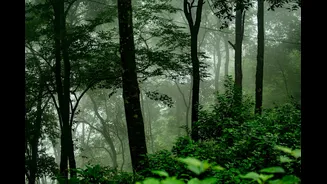




As a cool mist settles over the grasslands of India’s famed wildlife reserves, a timeless scene unfolds. Herds of deer and other herbivores emerge from the dense forest to graze in the open, a spectacle directly linked to the dropping temperatures.
The Science of Comfort
For
much of the year, India’s climate poses a significant challenge for its large mammals: heat. Herbivores like Sambar deer, Chital (spotted deer), and Gaur (Indian bison) face thermal stress. During hot and humid weather, they must conserve energy and water, which means spending a large portion of the day resting in the dense shade of the forest. Cooler weather, especially during the post-monsoon and winter months from October to February, provides a crucial reprieve. With lower temperatures, these animals no longer need to hide from the sun. This freedom allows them to spend more time in open habitats, dedicating more hours to foraging, which is essential for building fat reserves for the leaner months ahead. This simple change in temperature fundamentally alters their daily routine, making them far more visible to wildlife enthusiasts.
A Post-Monsoon Feast
The timing of the cooler weather is ecologically perfect. It follows the monsoon rains, which rejuvenate the landscapes of India’s national parks. The open glades and meadows, locally known as 'chaurs' or 'maidans' in various reserves, spring to life with a carpet of fresh, nutritious grass. This new growth is tender and packed with the protein and minerals that herbivores need to thrive. After months of browsing on tougher leaves and bark within the forest, this lush grassland buffet is irresistible. The abundant food source allows large herds to congregate and feed together. This seasonal bounty is a key reason why herbivores are drawn out of the dense tree cover and into these open, grassy patches where the best food is now plentiful.
The Open Glade Advantage
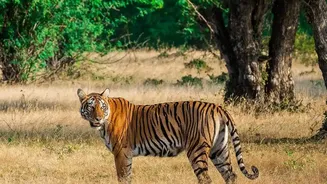
Forest glades are more than just feeding grounds; they are critical components of the forest ecosystem. These naturally occurring open spaces within a larger forest are often maintained by the very animals that use them. Grazing prevents the encroachment of woody shrubs and trees, preserving the grassland habitat for future seasons. For herbivores, these areas offer a unique balance of risk and reward. While being in the open makes them more visible to predators like tigers and leopards, it also provides them with better lines of sight. In a large herd, the principle of 'many eyes' comes into play. With hundreds of eyes and ears on alert, the chances of detecting an approaching predator from a distance are significantly higher than in the dense, vision-obstructing undergrowth of the forest.
A Who's Who of Indian Grazers
This behavioural shift is not limited to a single species. Across India, a diverse cast of herbivores takes advantage of the cooler months. In parks like Corbett, Kanha, and Bandipur, vast herds of Chital are a common sight. The larger, more solitary Sambar deer also spend more time in these clearings. Majestic Gaur, the world's largest bovine, can be seen grazing in family groups. In the grasslands of parks like Velavadar, Blackbuck congregate in huge numbers. Even elephants, which are mixed feeders, will spend considerable time in these post-monsoon grasslands. This congregation of prey species has a knockon effect, influencing the hunting patterns of the park's predators, who are drawn to these areas of high activity.
An Ecological Dance
The movement of herbivores into open glades is a finely tuned ecological dance, orchestrated by the changing seasons. It is not just about feeling comfortable; it is a strategic decision driven by the interplay of temperature, food availability, and predator avoidance. The cooler air allows for comfortable foraging, the post monsoon growth provides the necessary nutrition, and the open terrain offers a collective security system against danger. This phenomenon illustrates the deep connection between climate and animal behaviour, a relationship that has shaped the rhythms of India’s wilderness for millennia. The health of these grasslands and the animals that depend on them are intertwined, showcasing the delicate balance that sustains these vital ecosystems.