







1. Turmeric: The Golden Anti-Inflammatory
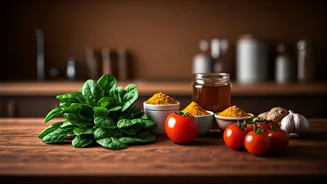
This vibrant yellow spice, a cornerstone of South Asian and Middle Eastern cooking, contains a powerful compound called curcumin. Numerous studies have explored curcumin's potent anti-inflammatory properties, which work by helping to block the action
of certain molecules that play a major role in inflammation. While a pinch in your food won't deliver the therapeutic doses used in clinical trials, consistently incorporating turmeric into your diet contributes to an overall anti-inflammatory eating pattern. Chronic inflammation is linked to a host of modern health issues, so taming it with diet is a smart strategy. How to use it: You can’t just eat turmeric powder by the spoonful—it needs a little help. Pair it with black pepper, which contains piperine, a compound that dramatically increases curcumin's absorption. Add a teaspoon of turmeric and a pinch of black pepper to soups, stews, roasted vegetables, or even a morning smoothie.
2. Garlic: The Immune-Boosting Pungent Bulb
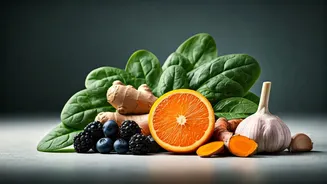
For centuries, garlic has been used for both culinary and medicinal purposes. Its power lies in sulfur compounds like allicin, which are released when a clove is crushed, chopped, or chewed. Research suggests that these compounds may have a positive effect on the immune system, potentially reducing the severity of common colds. Some studies also point to benefits for cardiovascular health, including modest reductions in blood pressure and cholesterol. The key is to activate the allicin by breaking down the clove before you cook it.
How to use it: For maximum benefit, chop or crush garlic and let it sit for 10-15 minutes before exposing it to heat. This allows the allicin-producing enzyme to do its work. Toss it into pasta sauces, stir-fries, or blend it into a homemade salad dressing.
3. Ginger: The Soothing Stomach Saver
That spicy, aromatic kick ginger adds to dishes comes from gingerol, its main bioactive compound. Gingerol is responsible for much of its reputation as a wellness powerhouse, particularly for its well-documented ability to quell nausea. It's a go-to for motion sickness and morning sickness for a reason. Beyond settling stomachs, ginger also boasts significant anti-inflammatory and antioxidant effects, similar to its cousin, turmeric. It can help with exercise-induced muscle soreness and may play a role in managing the pain associated with osteoarthritis.
How to use it: Fresh ginger is most potent. Grate it into marinades and salad dressings, add thin slices to hot water for a soothing tea, or blend it into green juices for a zesty, healthful kick.
4. Cinnamon: The Sweet Blood Sugar Supporter
More than just a topping for lattes and oatmeal, cinnamon has been studied for its potential role in supporting metabolic health. Several studies suggest that cinnamon may help improve insulin sensitivity and lower blood sugar levels, making it a particularly interesting spice for those looking to manage their glucose responses. While it's not a replacement for medical treatment for diabetes, its ability to mimic insulin in some ways makes it a valuable addition to a balanced diet. It’s also packed with antioxidants, which protect your body from oxidative damage caused by free radicals.
How to use it: Sprinkle it generously on oatmeal, yogurt, or sliced apples. You can also add a cinnamon stick to your coffee grounds before brewing or stir a spoonful into a pot of chili to add warmth and depth.
5. Extra Virgin Olive Oil: The Heart-Healthy Fat
A pillar of the famously healthy Mediterranean diet, true extra virgin olive oil (EVOO) is essentially an unrefined fruit juice packed with beneficial compounds. Its main health benefits are attributed to its high concentration of monounsaturated fats, particularly oleic acid, which is linked to reduced inflammation and positive effects on heart health. Furthermore, EVOO contains a host of antioxidants, including one called oleocanthal, which has been shown to have anti-inflammatory effects similar to ibuprofen. Not all olive oil is created equal; look for “extra virgin” to ensure you're getting these powerful compounds.
How to use it: Use it as your primary cooking oil for low-to-medium heat sautéing, or better yet, use it raw. Drizzle it over salads, steamed vegetables, or a finished soup to get the full, unadulterated flavor and health benefits.