


The Festive Dilemma: Indulgence vs. Health
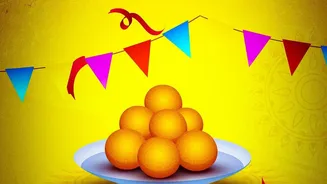
In India, festivals are synonymous with food, especially mithai. From ladoos and halwas to barfis, these treats are central to our celebrations. Yet, the modern consciousness around health creates a familiar conflict. Many traditional recipes rely on refined
wheat flour (maida) and processed sugar, which can lead to energy crashes and are not ideal for mindful eating. This has left many families searching for a way to honour tradition while embracing a healthier lifestyle. The great news is that the solution isn't a new-age fad but is rooted deep in our agricultural heritage: millets.
Why Millets are the Perfect Answer
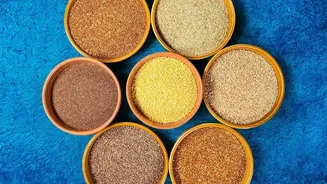
Long before wheat and rice became staples, grains like ragi, bajra, and jowar were the pillars of the Indian diet. These 'superfoods' are making a powerful comeback for good reason. They are naturally gluten-free and packed with nutrients. Millets are high in dietary fibre, which aids digestion and promotes a feeling of fullness. They also have a lower glycaemic index compared to refined grains, meaning they release sugar into the bloodstream more slowly, preventing sharp spikes. This makes them a smarter choice for everyone, especially those managing blood sugar levels.
Radiant Ragi (Finger Millet) Swaps
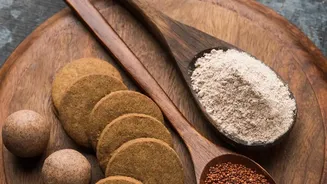
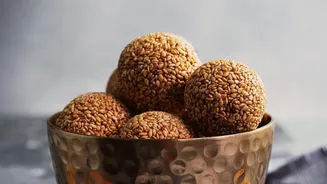
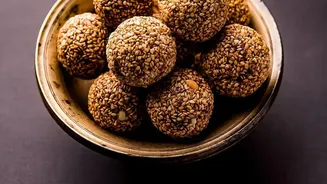
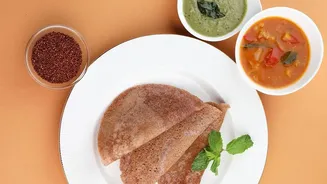
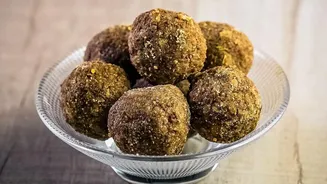
Ragi is a nutritional powerhouse, famously rich in calcium and iron. Its earthy, nutty flavour lends itself beautifully to a variety of sweets. One of the easiest and most popular swaps is making Ragi Ladoos. Instead of besan, using roasted ragi flour mixed with jaggery, ghee, and nuts creates a delicious and far more nutritious treat. Another fantastic option is Ragi Halwa, a wholesome alternative to sooji or atta halwa. The deep, rich colour and flavour of ragi, enhanced with cardamom and ghee, make for a uniquely satisfying dessert.
Brilliant Bajra (Pearl Millet) Bites
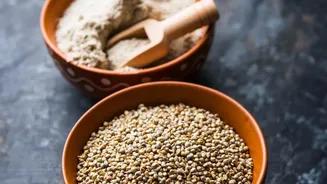
Bajra is known for its warming properties, making it an excellent choice for winter festivals. This millet has a robust, slightly nutty taste and is rich in iron and magnesium. A classic winter dessert in North India, Bajra Halwa is a must-try. Made by slow-roasting bajra flour in ghee and sweetening it with jaggery, it’s a dense, fragrant, and deeply comforting sweet. You can also experiment with bajra flour to make cookies or savoury mathris, replacing maida for a healthier, fibre-rich crunch.
Joyful Jowar (Sorghum) Creations
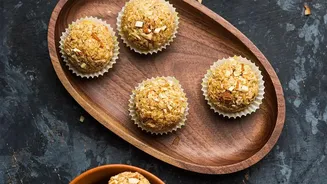
Jowar is perhaps the most versatile of the three, with a mild, neutral flavour that makes it an excellent substitute in many recipes. It is a great source of protein and fibre. You can use jowar flour to create a healthier version of barfi, often combined with a bit of wheat flour or almond flour for texture. By dry roasting the flour and combining it with melted jaggery and ghee, you can make a simple yet elegant Jowar Barfi. Its subtle taste also makes it a great candidate for reimagining other sweets, like using jowar flour in the batter for malpuas.
Tips for Perfect Millet Sweets
Cooking with millets can be a little different from using refined flours. Roasting the millet flour on a low flame until it is aromatic is a crucial first step; this removes any raw taste and brings out its nutty flavour. Since millet flours are denser, they may require slightly more liquid than wheat flour. Don't be afraid to adjust. Finally, swap refined sugar for natural sweeteners like jaggery, date syrup, or palm sugar. These not only add minerals and depth of flavour but also complement the earthy notes of the millets perfectly.