




A New Travel Tribe Emerges
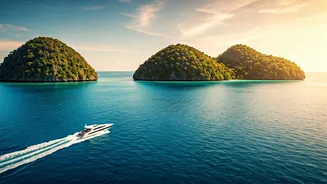
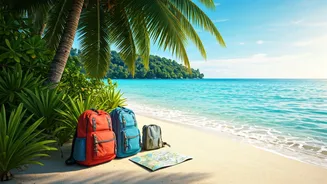
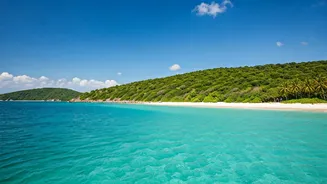
Across the turquoise waters of Langkawi and the pristine beaches of the Perhentian Islands, a different kind of tourist has arrived. They travel in small, energetic groups of friends, they book last-minute, and their itineraries are guided less by travel agents
and more by TikTok trends. This isn't your typical family vacation; it’s a wave of largely Gen Z and young millennial travelers, many from India and neighbouring Asian countries, who are redefining what a getaway looks like. The key characteristic is spontaneity. Fueled by a combination of digital fluency and a post-pandemic desire for shared experiences, these groups are often inspired by a viral video or a friend’s social media post and decide to book a trip with just a few weeks', or even days', notice. It’s a move away from long-term planning towards immediate, experience-driven gratification.
Why Malaysia, and Why Now?
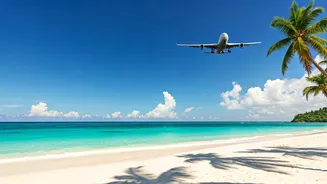
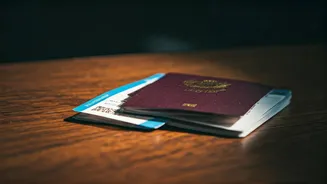
Several powerful factors have aligned to make Malaysia the epicentre of this trend. First and foremost is accessibility. In a game-changing move for Indian travelers, Malaysia announced visa-free entry for up to 30 days, effective from December 2023. This single policy change removed a significant barrier of cost and paperwork, making a spontaneous trip to Kuala Lumpur or Langkawi almost as easy as a domestic one. Secondly, there's the unbeatable value proposition. Compared to many Western or even other Southeast Asian destinations, Malaysia offers incredible bang for your buck. From affordable beach chalets and delicious street food that costs just a few ringgits to budget-friendly flights, an entire group can enjoy a rich international experience without breaking the bank. This affordability is a massive draw for a younger demographic that prioritizes experiences over luxury accommodation.
The Power of the Social Feed
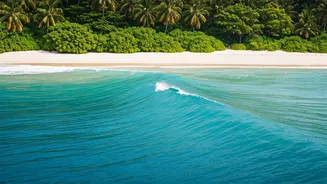
It’s impossible to talk about this trend without mentioning social media. Platforms like Instagram and TikTok are not just for sharing photos anymore; they are the primary discovery engines for this generation. A 15-second video showcasing the crystal-clear waters of Pulau Redang, a guide to the best cheap eats in Penang, or a clip of friends cliff-jumping into a lagoon can trigger thousands of travel plans. The #MalaysiaTravel hashtag is brimming with user-generated content that acts as authentic, real-time advertising. This content creates a powerful sense of FOMO (fear of missing out) and provides a ready-made, visually-proven itinerary. Groups see what's possible, from specific photo spots to recommended tour operators for island hopping, and can essentially copy-paste an entire trip, removing the guesswork and planning fatigue.
The Group-Trip Hotspots
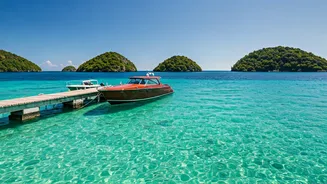
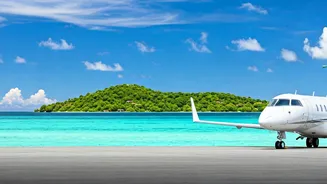
While Kuala Lumpur often serves as the entry point, the real action is happening along the coasts. Langkawi, an archipelago of 99 islands, is a top choice due to its duty-free status, vibrant nightlife, and mix of relaxing beaches and adventure sports like jet-skiing and parasailing. On the East Coast, the Perhentian Islands (Perhentian Kecil, in particular) are famous among backpackers and youth groups for their laid-back vibe, incredible snorkelling, and rustic beachfront stays. These trips are less about five-star resorts and more about communal living. Hostels, guesthouses, and Airbnb properties that can accommodate small groups are thriving. The focus is on shared activities—group snorkelling tours, evening bonfires on the beach, and exploring local markets together. The goal isn't just to see a place, but to experience it with friends.
A Boost for Local Economies
This influx of young, independent travellers is providing a welcome boost to local economies, especially for small businesses that were hit hard by the pandemic. Tour boat operators, local food stalls, scooter rental shops, and dive centres are all benefiting. These travellers tend to spread their spending across a wider range of local vendors rather than concentrating it in all-inclusive resorts. Local operators are quickly adapting, offering group discounts, creating 'Instagrammable' tour packages, and using social media to connect directly with potential customers. This symbiotic relationship helps keep the travel experience authentic and ensures the economic benefits of tourism are distributed more widely within the community.