




A Gut Feeling for Health
The primary driver behind this trend is a massive shift toward health and wellness. Young consumers are more aware than ever of the impact of their diet on their overall well-being, with a particular focus on gut health. Sugary, carbonated drinks are increasingly
being viewed as unhealthy choices, while fermented beverages are gaining recognition for their probiotic content. Probiotics are beneficial live bacteria that support a healthy digestive system, improve immunity, and can even aid in weight management. The conversation around wellness has moved beyond simple calorie counting to a more holistic understanding of the body’s microbiome, and drinks like kanji and chaas are seen as natural, functional foods that deliver these benefits. Market reports confirm this trend, showing a significant projected growth for probiotic drinks in India, driven by rising health consciousness among consumers.
The Stars of the Show: Kanji and Chaas
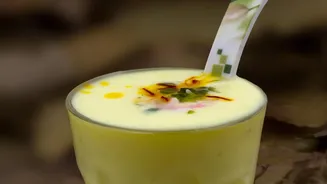
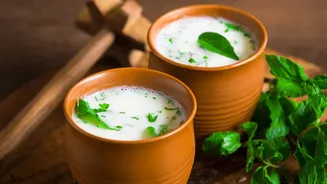
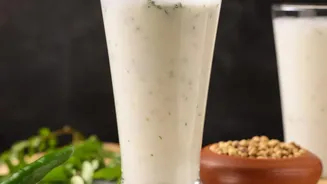
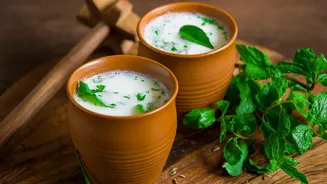
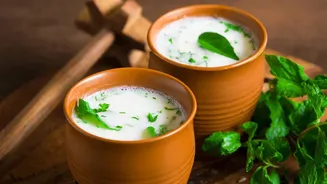
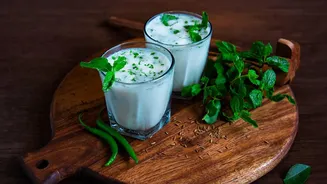
So what exactly are these drinks? Chaas, or buttermilk, is a staple in many Indian households, a cooling, dairy-based drink made from yogurt, water, and spices. It's known for being light and refreshing, aiding digestion after meals, and soothing the stomach, especially during hot weather. Kanji, traditionally a North Indian winter beverage, is a tangy, fermented drink typically made from black carrots, mustard seeds, and water. This process gives it a deep purple hue and a probiotic punch. Kanji is lauded for its ability to detoxify the body, improve digestion, and boost immunity, thanks to the beneficial bacteria developed during fermentation. Both drinks offer a complex flavour profile that the Indian palate is accustomed to—a mix of tangy, salty, and spicy notes—a stark contrast to the one-dimensional sweetness of most fizzy drinks.
A Sip of Cultural Pride
This beverage swap is also a form of cultural rediscovery. For many young Indians, choosing traditional drinks is a conscious decision to connect with their heritage. In a world of globalized food trends, there's a growing appreciation for age-old recipes and regional flavours that were once at risk of being forgotten. This movement is about more than just nostalgia; it's about finding value and wisdom in ancestral food practices. Social media has played a significant role, with food bloggers and wellness influencers showcasing the beauty and benefits of these homemade drinks. They are bringing back forgotten recipes, making them accessible and appealing to a modern audience that values authenticity.
From Home Kitchens to Cafe Menus
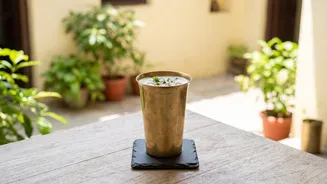
While chaas has always been widely available, the renewed interest in drinks like kanji is starting to make waves commercially. What was once a seasonal, homemade tonic is now appearing on the menus of trendy cafes and restaurants, sometimes with modern twists. Some brands are even exploring packaged versions to cater to urban consumers who lack the time to prepare them from scratch. This follows a broader trend where ethnic Indian beverages are being recognized for their market potential. While commercially bottled versions offer convenience, many still prefer the taste and authenticity of homemade preparations, often following recipes passed down through generations. This blend of home tradition and commercial innovation is ensuring that these drinks are not just a passing fad but a sustained movement.