
Start with a Thoughtful Assessment
Before you rush to a tailor, take a moment to evaluate your heirloom. Gently unfold the fabric and inspect it in good light. Check for tears, stains, or areas where the fabric has become brittle, especially along the folds. The material's condition will
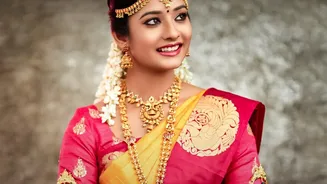
determine what you can create. Heavy silks like Banarasi or Kanjeevaram are fantastic for structured garments like lehengas, jackets, or gowns. Lighter fabrics such as chiffon, georgette, or cotton are better suited for flowy silhouettes like Anarkalis, kaftans, or dresses. Pay special attention to the most beautiful parts of the piece—is it the intricate pallu, the detailed border, or a unique pattern? Highlighting these features should be the goal of your upcycling project.
Create a Vision: What Will It Become?
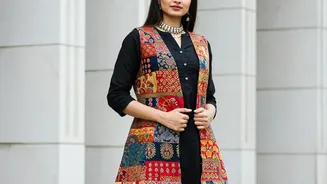
The six yards of a saree or the generous spread of a shawl offers a canvas for endless creativity. Instead of limiting your vision, think about what your current wardrobe needs. A heavy, ornate saree can be transformed into a regal lehenga skirt, paired with a modern crop top or blouse for a contemporary feel. An old silk saree can also become a stunning Anarkali suit or a floor-length evening gown, using the pallu for the bodice and the rest for the flared skirt. If you want something more versatile, consider a statement jacket or cape. This is a great way to use a heavy brocade or embroidered panel, which can then be worn over jeans, a simple dress, or a kurta set. For smaller or slightly damaged pieces, think about creating blouses, corset tops, or dupattas.
Finding the Right Craftsperson
Your vision is only as good as the tailor who brings it to life. This is not a job for just any neighbourhood tailor; you need someone with experience in handling delicate, old fabrics and an eye for modern design. Seek recommendations from friends or look for local designers and boutiques that specialise in custom and upcycled clothing. When you consult with them, bring your heirloom piece and any visual references you have. A good designer will not only understand your vision but will also offer practical advice on what's feasible, how to care for the fabric, and how to best showcase its unique beauty. They can suggest combining the heirloom fabric with new textiles to give it structure or a fresh look, like adding a new lining or pairing it with a plain silk.
Inspiration for Sarees and Dupattas
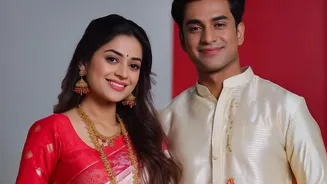
A single saree holds immense potential. One popular option is a lehenga-choli set. The saree's borders can be used for the hem of the lehenga and the edges of the dupatta. Another idea is to craft a series of coordinated pieces from one saree: a simple kurta, a pair of palazzo pants, and a matching potli bag. Old dupattas, especially those with rich embroidery or prints, can find new life too. A beautiful dupatta can be fashioned into a chic blouse, a jacket, or even the front panel of a plain kurta to give it a designer look. If the fabric is partially damaged, salvage the best parts. The ornate border of a saree can be used as trim on a new outfit, while beautiful motifs can be cut out and used as patches on a denim jacket or a plain blouse.
Styling and Caring for Your New Creation
Once your upcycled masterpiece is ready, styling is key to making it feel modern. Juxtapose the traditional fabric with contemporary elements. Pair a brocade jacket with sleek trousers or a silk skirt with a simple white shirt. Modern accessories—like minimalist jewellery, a structured handbag, or stylish heels—can bridge the gap between vintage and contemporary. Caring for these garments is crucial for their longevity. Since they are made from older fabrics, they are often too delicate for machine washing. Always opt for dry cleaning, and ask the cleaner to be gentle. Store the outfit in a muslin cloth or a breathable garment bag, away from direct sunlight, to ensure the fabric remains vibrant and strong for many festive seasons to come.