
The Route Matters: Choose Your Path Wisely
There are two main arteries into Spiti: via Shimla or via Manali. For an autumn trip, especially for first-timers, the Shimla-Kaza highway is the recommended choice. This route involves a more gradual ascent, which is crucial for acclimatisation and reducing
the risk of Acute Mountain Sickness (AMS). The road stays open longer into the season, typically until November. The Manali-Kaza route is shorter but significantly tougher, involving the high-altitude Kunzum Pass (4,590m). In autumn, this pass is among the first to close due to early snowfall, sometimes as early as late September or mid-October. An unexpected closure could leave you stranded, forcing a long detour back through Shimla. Always check the daily road status with local authorities before you start your journey from either side.
Vehicle Readiness: Your Car is Your Lifeline
The unforgiving terrain of Spiti is no place for a poorly maintained vehicle. Before you leave, conduct a thorough service. Pay special attention to brakes, tyres, and engine performance. Ensure your tyres have deep treads and consider carrying snow chains if travelling later in October, as black ice becomes a real threat. A vehicle with high ground clearance is highly recommended to navigate rocky paths and water crossings. Your pre-trip checklist should include: checking all fluid levels (engine oil, coolant, brake fluid), testing the battery, and ensuring all electricals, especially headlights and fog lamps, are working perfectly. Pack a complete toolkit, a reliable tyre inflator, a puncture repair kit, and jumper cables. A spare key and all original documents (RC, insurance, pollution certificate) are non-negotiable.
Beat AMS: Respect the Altitude
Acute Mountain Sickness (AMS) is a serious risk in Spiti, where you'll consistently be above 3,500 metres. It is not related to physical fitness; it strikes when you ascend too quickly for your body to adjust to lower oxygen levels. The first symptoms are often a persistent headache, nausea, dizziness, and fatigue. To prevent AMS, acclimatise properly. Spend at least one night at an intermediate altitude like Kalpa or Nako (around 3,000m) before proceeding to Kaza (3,800m). Stay hydrated by drinking 4-5 litres of water daily, eat carbohydrate-rich meals, and avoid alcohol and smoking for the first few days. Listen to your body. If symptoms appear, do not ascend further. Rest, and if they worsen, the only cure is to descend to a lower altitude immediately.
High-Altitude Driving: Rules of the Road
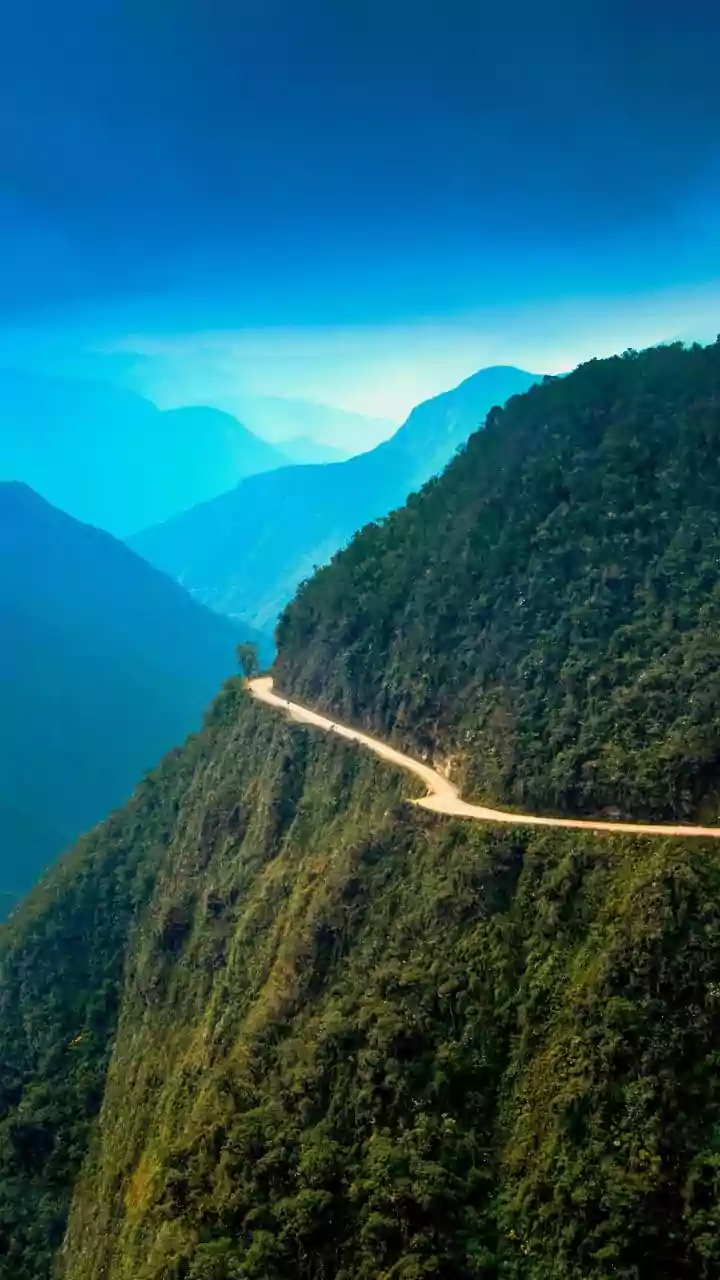
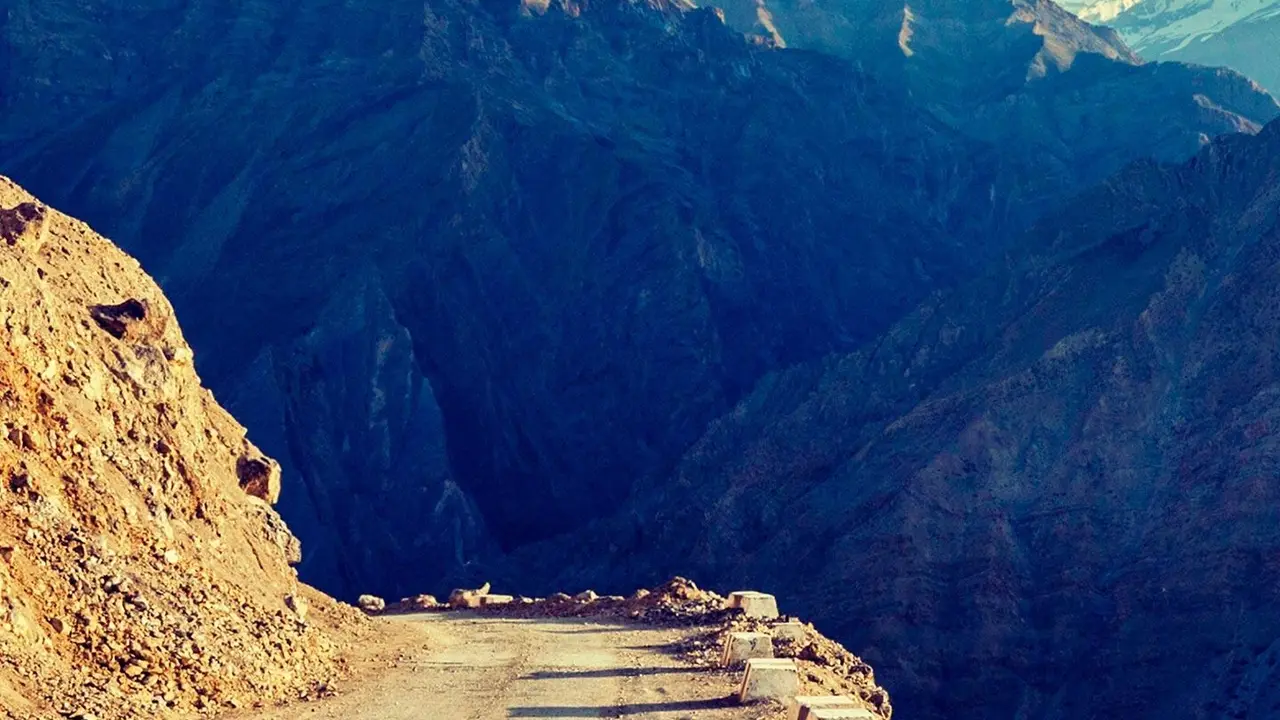
Driving in the mountains is a skill. The roads are narrow, often with sheer drops and no guardrails. Always give way to uphill traffic. Use engine braking by driving in lower gears on steep descents to avoid overheating your brakes. Maintain a slow, steady speed and avoid sudden acceleration or braking, especially on gravelly sections. Autumn brings the danger of black ice, a nearly invisible layer of ice that forms on shaded road sections, bridges, and overpasses, particularly in the mornings and evenings. If you hit a patch, do not slam the brakes. Ease off the accelerator and keep the steering wheel straight. Given the shorter daylight hours in autumn, start your drive early each day and plan to reach your destination well before sunset. Night driving is extremely hazardous and should be avoided at all costs.
Packing and Permits: The Final Checks
For Indian citizens, no special inner line permit is required to visit Spiti Valley. However, you must carry a valid government-issued photo ID like an Aadhaar card or driver's license, as you will need to register at police checkposts at Jangi and Sumdo. Pack for extreme temperature swings. Autumn days can be sunny and pleasant, but nights are freezing, with temperatures often dropping below zero. Layering is key: pack thermals, fleece jackets, and a windproof/waterproof outer shell. Don't forget a warm hat, gloves, sunglasses, and high-SPF sunscreen. Carry a comprehensive first-aid kit with basic medicines for headache, fever, and stomach issues, along with any personal medications. It's also wise to carry enough cash, as ATM availability and reliability are low in the valley.