




The Deception of Clarity
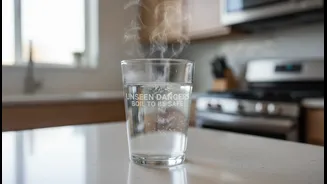
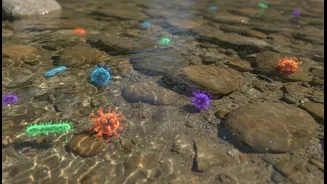
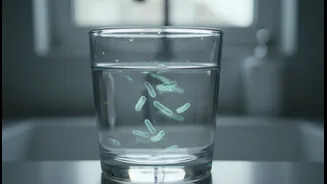
Our eyes can only detect particles down to a certain size, but the microorganisms that cause disease—bacteria, viruses, and parasites—are many times smaller and completely invisible. Water that appears pristine can harbour a hidden world of pathogens
that pose a serious risk to human health. These contaminants don't alter the water's appearance, taste, or smell, giving a false sense of security. This is why judging water safety by its visual clarity alone is a gamble that can lead to unexpected and severe health problems for you and your family.
The Invisible Invaders
A host of dangerous microorganisms can thrive in water that looks perfectly clean. Bacteria like Salmonella typhi (which causes typhoid fever), Vibrio cholerae (cholera), and certain strains of E. coli are common culprits in India. Parasites such as Giardia and Cryptosporidium can also be present, leading to severe gastrointestinal distress. Symptoms from these waterborne pathogens range from diarrhoea, vomiting, and stomach cramps to high fever and life-threatening dehydration. Typhoid, for example, can result in sustained high fever and fatigue, while cholera can cause rapid, severe dehydration.
Pathways to Contamination
Even if water is treated at a municipal plant, it has a long journey to your tap, and contamination can occur at multiple points. In many Indian cities, water pipelines are decades old and prone to leaks. These cracks can allow bacteria and other contaminants from the surrounding soil and leaking sewage lines to enter the drinking water supply. Furthermore, storage tanks, both underground and overhead, are often not cleaned regularly, allowing microbiological impurities to multiply. Homes using private water sources like borewells are also at high risk from agricultural runoff containing pesticides and nitrates, or seepage from nearby septic systems.
How Bacterial Testing Works
Since you can't see the danger, the only way to be sure of your water's safety is to test it. The most common method is testing for 'indicator organisms,' specifically total coliform bacteria. Coliforms themselves are generally not harmful but are naturally present in the environment, including in soil and animal waste. Their presence in drinking water indicates that a pathway for contamination exists, meaning more dangerous bacteria like E. coli could also be present. A positive coliform test is a red flag that your water supply has been compromised and requires further investigation and action. Regular testing provides an early warning system to address problems before they cause a health crisis.
Taking Proactive Steps for Safety
Preventing a domestic health crisis starts with being proactive. For households, this means arranging for periodic water testing, especially if you rely on a private well or live in an area with older infrastructure. It is particularly crucial for households with vulnerable individuals like young children, the elderly, or those with weakened immune systems, who are at greater risk of severe illness from waterborne diseases. Testing is not a one-time fix; it should be done annually or more frequently if you suspect a problem. Based on test results, you can take corrective actions, such as repairing plumbing, cleaning storage tanks, or installing a suitable water purification system like a UV filter, which is effective against biological contaminants.