





The Heart of the Proposal
Goa's Forest Department has sent a significant proposal to the state's Department of Environment and Climate Change. The plan is to officially designate 24 of Goa's beaches as turtle nesting sites under the Coastal Regulation Zone (CRZ) Notification of 2019.
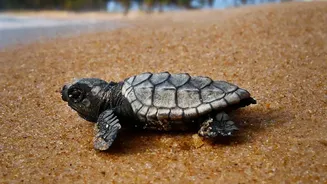
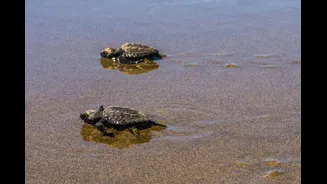
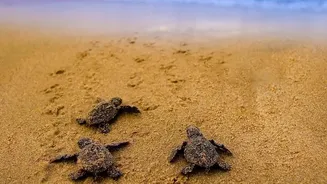
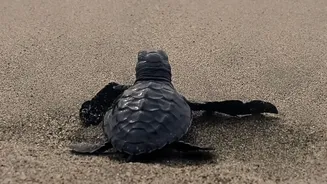
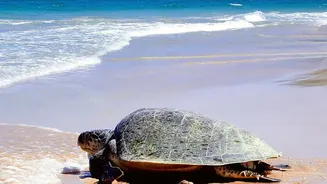
This move is aimed at providing greater protection to the endangered Olive Ridley turtles that visit these shores to lay their eggs. If approved, it would classify these beaches as CRZ-I, the most ecologically sensitive category, paving the way for stricter regulations on coastal activities, especially during the nesting season.
Which Beaches Are on the List?
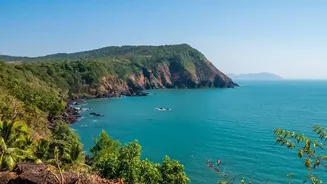
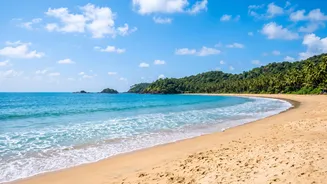
The proposal is comprehensive, covering major tourist hubs across both North and South Goa. The headline grabbers, Agonda and Palolem, are part of a larger list of 14 beaches in the south. This includes Rajbag, Mobor, Cabo de Rama, Patnem, Baina, Cola, Carmona, Cavelossim, Varca, and Talpona. In North Goa, 10 beaches have been identified: Morjim, Mandrem, Vagator, Calangute, Candolim, Keri, Miramar, Ashvem, Baga, and Arambol. While some beaches like Agonda, Galgibaga, and Morjim have long been recognised as nesting sites, this proposal drastically expands the official protected area to include some of the state's most commercially active coastlines.
What 'Protection' Actually Means
Designation as a turtle nesting site under CRZ-I comes with a set of stringent rules designed to minimise human disturbance. The regulations could impose tight controls on artificial lighting, which disorients hatchlings, and limit noise from parties and events. More significantly, it could impact the operation of beach shacks, a cornerstone of Goa's tourism economy. Other potential restrictions include curbs on vehicle movement on the sand and a general clampdown on nighttime activities during the crucial nesting and hatching season, which typically runs from November to April.
The Driving Force: Why Now?
The push for expanded protections comes amid growing concerns over a noticeable decline in turtle nesting activity. According to Forest Department data, the 2026 nesting season saw fewer nests and eggs compared to 2025, which itself was a drop from a strong season in 2024. For instance, Morjim, a key nesting ground, recorded a significant drop in the number of eggs laid compared to the previous year. Environmentalists and the Forest Department see the unregulated tourism boom, with its accompanying light, sound, and construction, as a direct threat to the survival of these marine creatures, prompting the call for more robust legal protection.
The Impact on Tourism and Livelihoods
The proposal has sparked considerable concern among local business owners. The Shack Owners Welfare Society and other tourism stakeholders have voiced fears that the new rules could devastate livelihoods. They argue that while they support conservation, declaring nearly all major beaches as protected zones is impractical and could 'kill' the tourism business that many Goans depend on. Fishermen are also worried that traditional fishing practices could be curtailed. Stakeholders are calling for clarity and a balanced approach that allows conservation and tourism to coexist, rather than viewing them as competing interests. They have asked for detailed consultations before any final decisions are made, highlighting the need for a plan that protects turtles without displacing the local economy that has existed for generations.