
The Spirit of the Janmashtami Fast
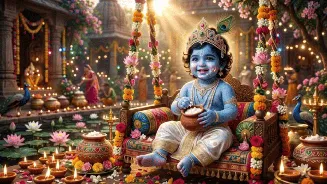
Janmashtami, which falls on Friday, September 4, 2026, commemorates the birth of Lord Krishna. For millions of devotees, observing a fast (vrat) is a central part of the celebration. Far more than simply abstaining from food, the fast is an act of devotion
intended to purify the mind and body, allowing one to focus on prayers, bhajans, and spiritual reflection. The observance typically begins at sunrise on Janmashtami and concludes the next day, a period dedicated to drawing closer to the divine. Devotees often begin with a 'sankalpa,' a heartfelt pledge to observe the fast with sincerity. Depending on personal health, age, and family traditions, the nature of the fast can vary. The strictest form is the 'Nirjala' vrat, observed without any food or water. However, the most common is the 'Phalahari' vrat, which permits the consumption of fruits, milk, and specific fasting-friendly foods.
Foods to Embrace During Your Vrat
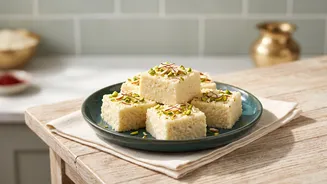
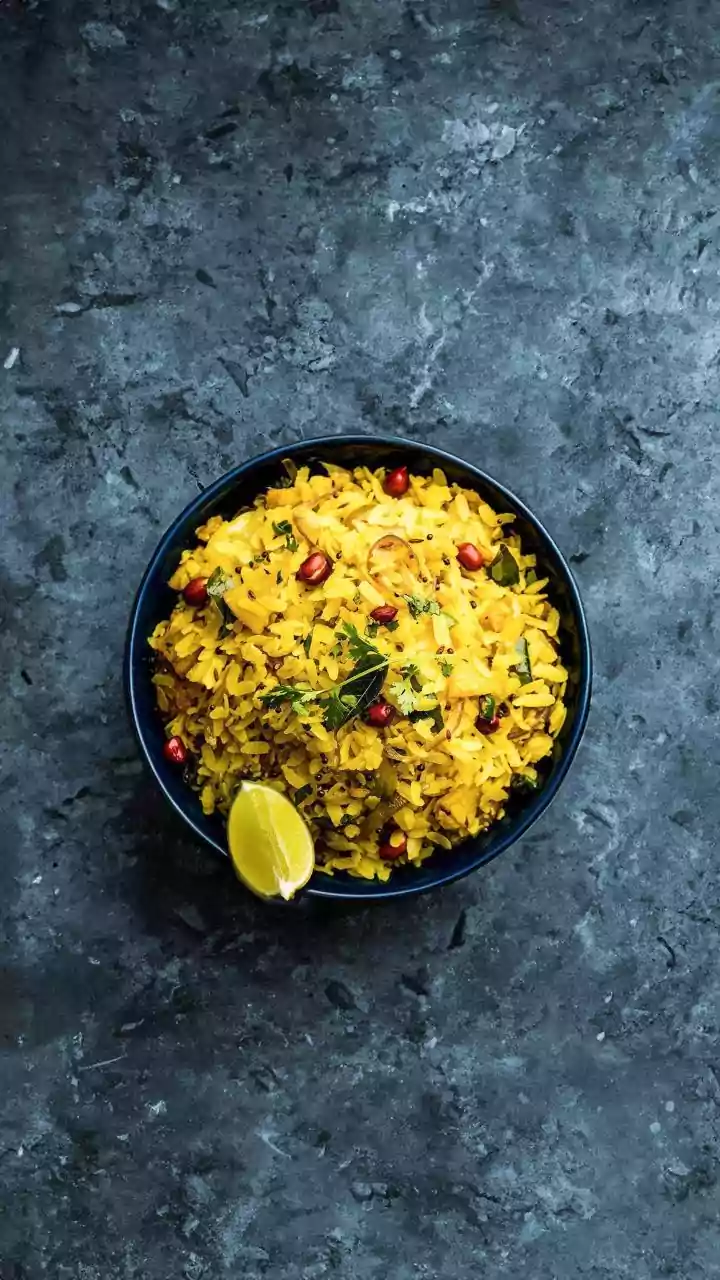
A 'Phalahari' diet is designed to be sattvic—light, pure, and calming for the mind. The list of permissible foods is quite generous, ensuring you can maintain energy levels throughout the day. All seasonal fruits, such as bananas, apples, pomegranates, and mangoes, are excellent choices. Dairy products like milk, curd, paneer, and buttermilk are also central to the vrat diet. For more substantial meals, you can turn to specific 'vrat-friendly' starches. Sabudana (tapioca pearls) is incredibly popular and used to make khichdi, kheer, or vadas. Flours like Kuttu (buckwheat flour), Singhara (water chestnut flour), and Rajgira (amaranth flour) can be used to prepare puris, rotis, or pancakes. For vegetables, potatoes, sweet potatoes, pumpkin, and raw bananas are commonly consumed. To add flavour, sendha namak (rock salt) should be used instead of regular table salt.
What to Strictly Avoid While Fasting
The list of foods to skip is just as important as the list of what to eat. The primary rule is to avoid all grains and cereals, including wheat, rice, oats, and maize. Lentils and pulses are also prohibited during the fast. In terms of vegetables, onions and garlic are strictly avoided as they are considered 'tamasic,' meaning they are believed to cause mental dullness or agitation, which runs counter to the spiritual focus of the day. All non-vegetarian foods, including meat, fish, and eggs, are forbidden, as are alcohol and tobacco products. It is also wise to be cautious with packaged 'vrat-friendly' snacks, as they may contain regular salt or other prohibited ingredients; always check the label carefully. While some traditions are more flexible, tea and coffee are generally avoided during a strict fast.
Important Reminders for a Healthy Fast
Observing the Janmashtami fast should be a spiritually uplifting experience, not a physically draining one. It is crucial to listen to your body, especially if you are fasting for the first time or have health concerns. Hydration is key, particularly if you are not on a Nirjala vrat. Drink plenty of water, coconut water, or fruit juices to avoid dehydration. Instead of having one large meal, it is better to consume small, frequent portions of permissible foods like fruits or a handful of nuts every few hours. This helps maintain stable energy levels and prevents acidity. The day is meant for spiritual activities, so engage in chanting, reading holy texts, or listening to devotional music to keep your mind focused and positive. Avoid over-indulging in fried vrat foods like puris or vadas, as they can make you feel lethargic. Opt for roasted, baked, or lighter preparations instead.
Breaking the Fast: The Parana Ritual
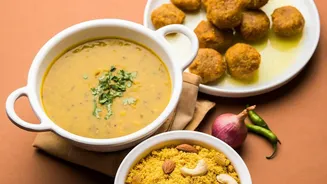
The ritual of breaking the fast is called 'Parana' and should be done at the prescribed time. Lord Krishna's birth is celebrated during the 'Nishita Kaal,' which is the midnight period. Many devotees break their fast with prasad after the midnight puja is complete. However, according to stricter scriptural traditions, the Parana should be performed the next morning after sunrise, once the Ashtami Tithi and Rohini Nakshatra have concluded. The exact timing can vary by location, so it's a good practice to check a local panchang. When you do break your fast, start with a light meal. A simple sattvic meal of dal, rice, and vegetables is gentler on the digestive system than jumping straight into heavy or rich foods.