





Wayanad’s Water Paradox
Wayanad, a jewel in Kerala's Western Ghats, is synonymous with the monsoon. The district receives an average annual rainfall of over 2,300 mm, painting the landscape in vibrant shades of green. Yet, paradoxically, this region can face water scarcity.
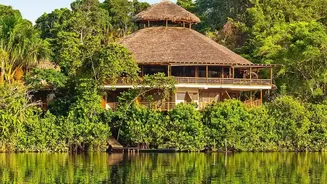
The undulating terrain causes rapid runoff, and erratic monsoon patterns, sometimes marked by long dry spells followed by intense downpours, mean that this abundance isn't always available when needed. This creates a unique challenge for everyone, especially for the tourism industry that thrives on the area's natural splendour. For hospitality providers, particularly those offering unique accommodations like treehouses nestled deep in nature, ensuring a consistent water supply without straining local groundwater resources is a critical balancing act.
Harvesting the Monsoon
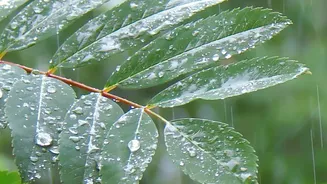
Enter rainwater harvesting, an ancient technique finding modern application in Wayanad's eco-conscious resorts. The principle is straightforward: collect the rain where it falls. For a treehouse or a resort villa, the roof becomes the primary catchment area. During the monsoon, every downpour is an opportunity. Gutters and pipes channel the water from the rooftops, directing it towards a filtration and storage system. This isn't just about placing a barrel under a drainpipe; it's a thoughtfully engineered process. The collected water passes through several layers of filtration—often involving sand, gravel, and charcoal—to remove debris and impurities before being stored in large underground reservoirs or tanks. This method ensures a clean, natural water source that is entirely self-sufficient.
From Roof to Tap: The Guest Experience
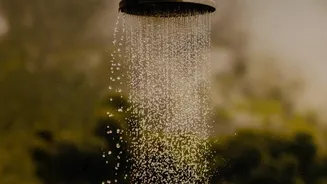
For guests, the result is a seamless supply of water for showers and other daily needs, all powered by the rain. Many resorts that implement this practice, like AfterTheRains and Wayanad Wild, have made it a core part of their identity. They integrate it into the very architecture of their properties. For instance, villas are sometimes perched on stilts, not just for the views, but to minimise impact on the forest floor and allow natural water flow. The stored rainwater is then often gravity-fed to the rooms, further reducing the need for electric pumps and conserving energy. Guests staying in these eco-lodges are often unaware of the complex system working behind the scenes, enjoying their holiday with the quiet satisfaction that their comfort isn't coming at the planet's expense.
More Than Just Saving Water
The benefits of rainwater harvesting extend far beyond a resort's utility bills. By capturing runoff, these systems reduce soil erosion, a significant issue on the hilly slopes of Wayanad. They also help recharge the groundwater table, contributing to the overall ecological health of the area. This practice is a cornerstone of the responsible tourism model that Kerala actively promotes, which emphasizes environmental stewardship and community benefit. Resorts like Banasura Hill Resort, built with rammed earth, and Wayanad Silverwoods fully integrate rainwater harvesting into a broader philosophy that includes using local materials, generating solar power, and managing waste responsibly. This holistic approach ensures that tourism supports rather than depletes the natural environment that attracts visitors in the first place.