

The Foundation: Perfecting Your Basmati
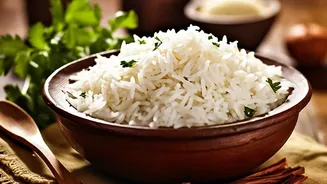
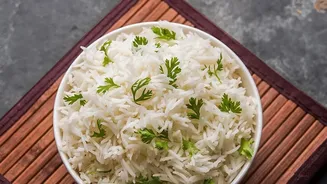
The soul of any great pulao is perfectly cooked, long-grain basmati rice. The goal is to have grains that are separate, fluffy, and not sticky. Achieving this begins long before the rice hits the pot. First, rinse the rice under cool water several times.
Swirl the grains gently with your fingers and pour off the cloudy, starchy water until it runs mostly clear. This crucial step removes excess starch that causes stickiness. Next, soak the rinsed rice in fresh water for at least 20 to 30 minutes. Soaking allows the grains to soften and cook more evenly, preventing them from breaking and ensuring a tender texture. Once soaked, drain the rice completely in a sieve and set it aside.
Building the Aromatic Base
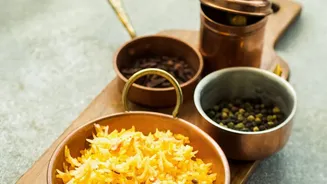
Pulao gets its signature fragrance from a blend of whole spices, a technique known as tempering or 'tadka'. For a classic vegetable pulao, you will want to gather a few key players: cumin seeds, a bay leaf, a small cinnamon stick, a few green cardamom pods, and a few cloves. Heat ghee or a neutral oil in a heavy-bottomed pot over medium heat. Once the fat is warm, add the whole spices and let them sizzle for about 30 seconds until they become aromatic. This process, called blooming, releases their essential oils into the fat, creating a flavourful foundation that will infuse every grain of rice. Be careful not to let them burn, as this will turn the flavour bitter. A thinly sliced onion is often added next, sautéed until it turns translucent or lightly golden.
The Vegetable Medley
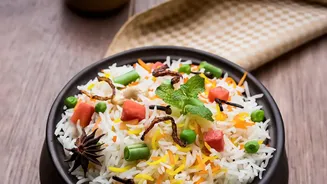
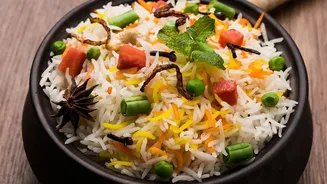
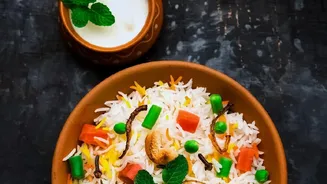
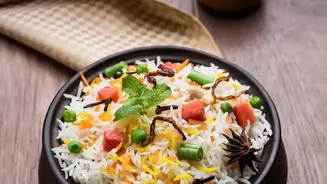
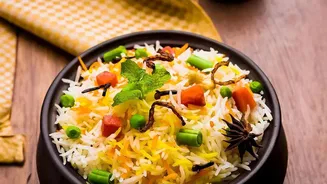
One of the best things about vegetable pulao is its versatility. You can use a wide variety of vegetables based on what's in season or what you have on hand. A classic and reliable combination includes diced carrots, green beans, potatoes, and green peas. Cauliflower florets are also a popular addition. The key is to chop the vegetables into relatively uniform, bite-sized pieces so they cook evenly. After the onions have softened, add a teaspoon of ginger-garlic paste and sauté for another minute until the raw smell disappears. Then, add your harder vegetables like carrots and potatoes, cooking them for a few minutes before adding quicker-cooking ones like beans and peas.
Bringing It All Together
Once the vegetables have been lightly sautéed, it's time to bring all the components together. Add the drained, soaked basmati rice to the pot and stir gently for about a minute, coating the grains in the spiced ghee or oil. This helps keep the grains separate. Now, it's time for the liquid. The rice-to-water ratio is crucial for fluffy pulao. A common starting point for soaked basmati rice is a 1:1.5 or 1:2 ratio, meaning for every one cup of rice, you add one and a half to two cups of water. Pour in the water, add salt to taste, and give everything a final, gentle stir. The water should taste slightly salty. Bring the mixture to a rolling boil over high heat.
The Final Steam and Rest
Once the water is boiling, reduce the heat to the lowest possible setting, cover the pot with a tight-fitting lid, and let it simmer for about 10-15 minutes. During this time, do not lift the lid. Lifting the lid allows steam to escape, which can disrupt the cooking process and lead to unevenly cooked rice. After the time is up, turn off the heat completely but leave the pot covered. Let the pulao rest undisturbed for another 10 to 15 minutes. This final resting period, often called 'dum', allows the grains to absorb any remaining moisture and firm up, ensuring a perfectly fluffy result. Before serving, gently fluff the rice with a fork or a flat spoon to separate the grains without breaking them. Garnish with fresh coriander leaves or fried cashews for an extra touch.