
Dubai is adding a startling new attraction: a walkway made of 24-carat gold. While it sounds like pure spectacle, this golden path is a calculated move in the city's grand strategy to redefine its future, attract visitors, and solidify its global brand.
The World's First Golden Path
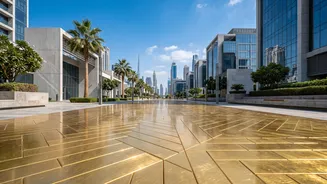
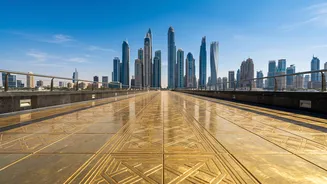
Expected to open before the end of 2026, the world's first and longest 24-carat gold walkway is currently under development in the Dubai Gold District. Rashid Al Harmoudi, a senior director for the district, announced that the path is scheduled to be unveiled within the next two months. The project's goal is to offer residents and tourists an unprecedented experience: the chance to literally stroll on gold. This unique attraction is part of a broader revitalisation of the Deira area, where the Gold District was launched in January 2026 to consolidate over 1,000 retailers in the gold, jewellery, and luxury goods sectors. While full details on the construction and cost remain under wraps, the intent is clear—to create a powerful symbol that merges tourism with trade.
More Than Just an Attraction
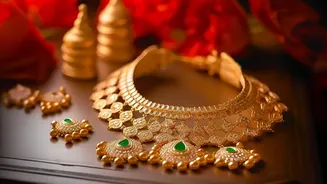
The golden walkway is not an isolated gimmick. It serves a dual purpose: reinforcing Dubai's identity as a global hub for the gold trade and creating a compelling new tourist landmark. The announcement was strategically made alongside a separate event celebrating two Guinness World Records for a pair of enormous gold earrings, highlighting the city’s deep connection to the precious metal. This project is designed to draw foot traffic to the Gold District, attracting not just serious buyers but also curious visitors. It's a physical manifestation of Dubai's strategy to turn its historic trading strengths into modern, experience-driven tourism. The walkway will also complement plans for a new, large-scale gold and jewellery exhibition, intended to be the biggest in the Middle East.
A Piece of a Grand Economic Vision
Projects like the gold walkway are small but significant cogs in a much larger machine: Dubai's ambitious economic diversification plan. For years, the emirate has been working to reduce its reliance on oil, focusing instead on sectors like tourism, real estate, finance, and technology. The Dubai Economic Agenda, or 'D33', unveiled in 2023, aims to double the size of the city's economy by 2033 and establish it as one of the top three global destinations for business and tourism. This strategy involves attracting AED 100 billion in new tourism investments and welcoming 40 million hotel guests by 2031. Extravagant attractions, therefore, function as high-visibility marketing tools, grabbing global attention and signalling that Dubai is a place of unparalleled luxury and ambition.
The Strategy of Spectacle
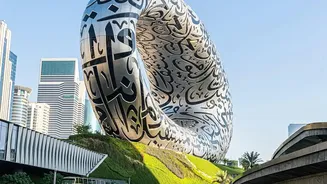
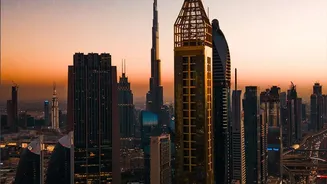
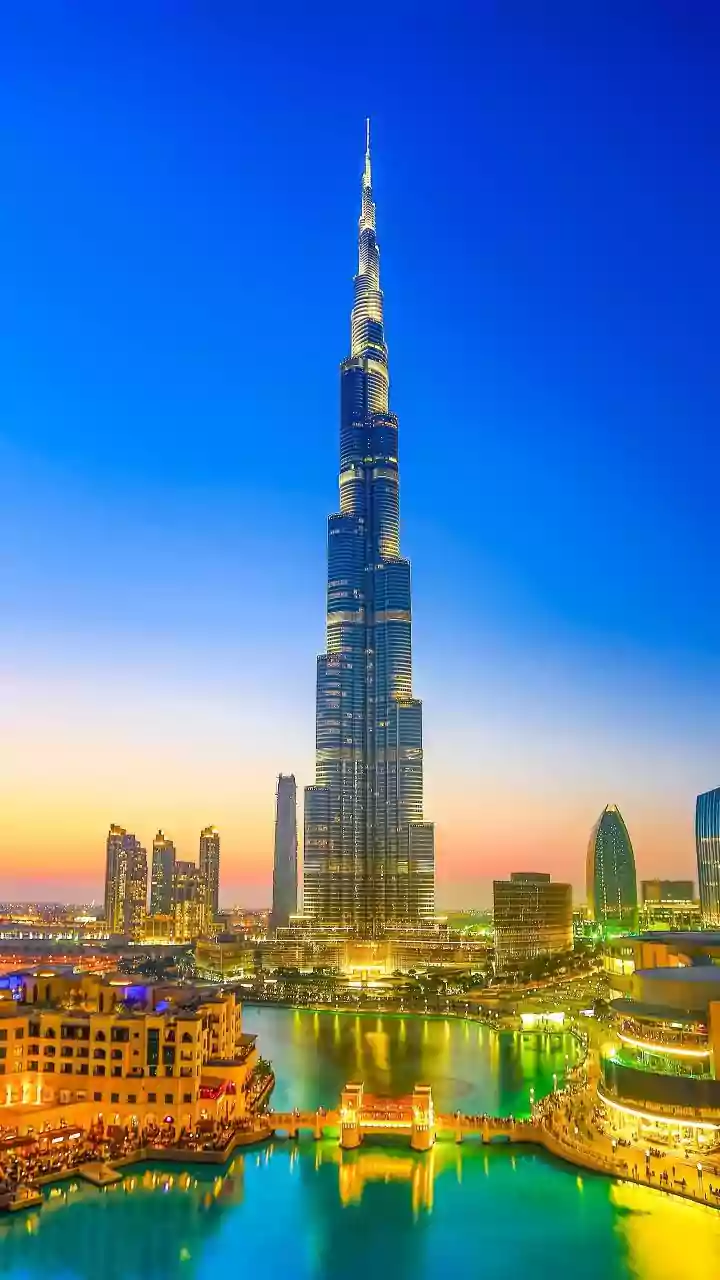
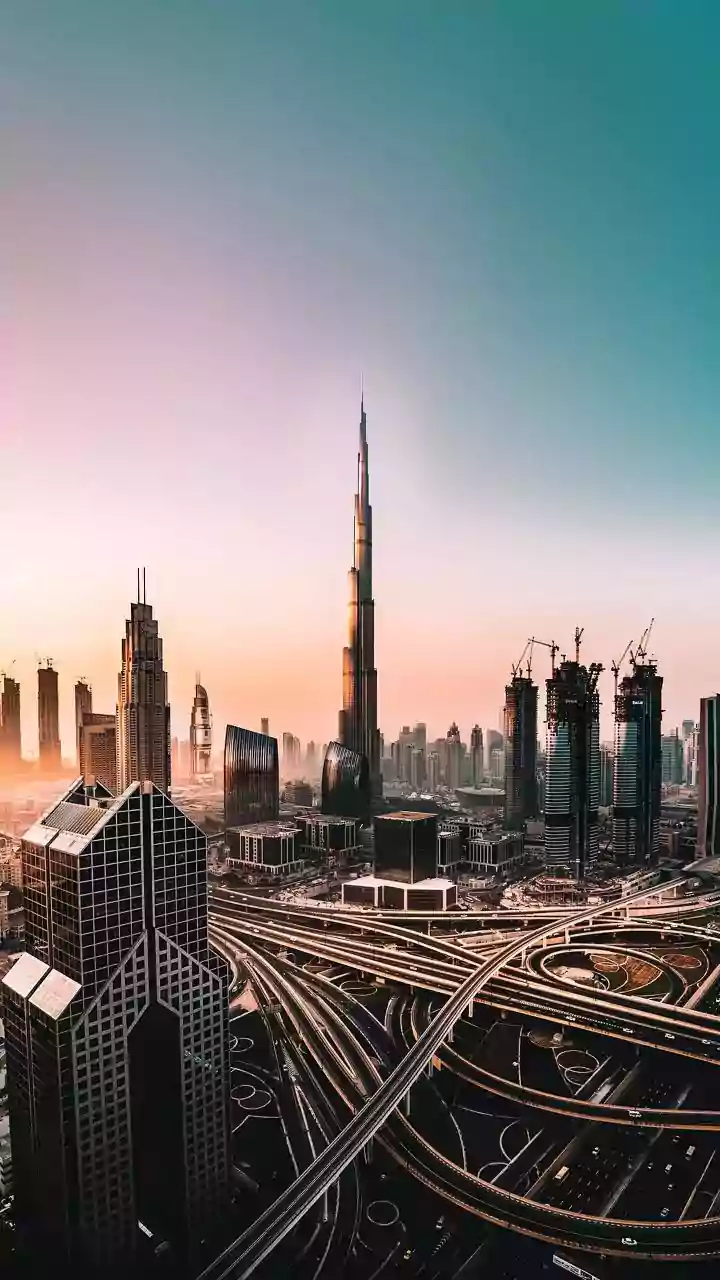
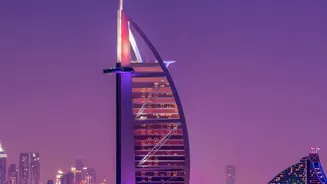
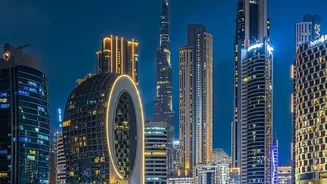
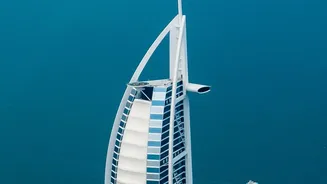
Dubai has long understood the power of spectacle. From the sky-piercing Burj Khalifa to man-made islands like the Palm Jumeirah, the city has consistently used 'world's first' and 'world's biggest' projects to build its international brand. These developments are not just for residents; they are powerful magnets for international visitors and investors. A 24-carat gold walkway fits perfectly into this playbook. It is a headline-grabbing landmark that is easily understood across cultures as a symbol of wealth and exclusivity. In a competitive global tourism market, such differentiators are crucial for standing out. By creating experiences that cannot be found anywhere else, Dubai aims to maintain its edge and continuously renew its appeal to both new and returning visitors.