

From Possessions to Memories
The core idea behind the trend is a pivot from material ownership to creating lasting memories. For generations, the exchange of gifts has been a cornerstone of Raksha Bandhan, symbolizing a brother's promise of protection. However, modern siblings, particularly
millennials and Gen Z, are redefining what a valuable gift looks like. Instead of an object that might be forgotten or discarded, they are opting for activities that allow them to spend quality time together. This shift reflects a broader consumer trend where experiences are now seen as a greater luxury than physical goods. A gift that creates a story—a weekend trek, a pottery workshop, or even a simple, planned-out movie marathon—carries an emotional weight that a mass-produced item often cannot match.
The Sustainability Backlash
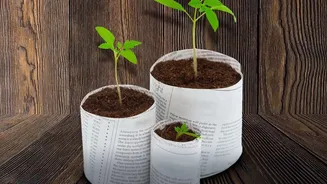
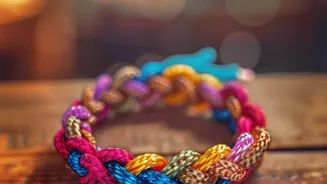
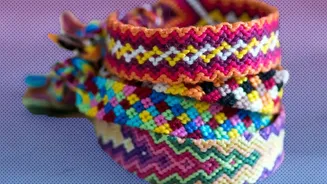
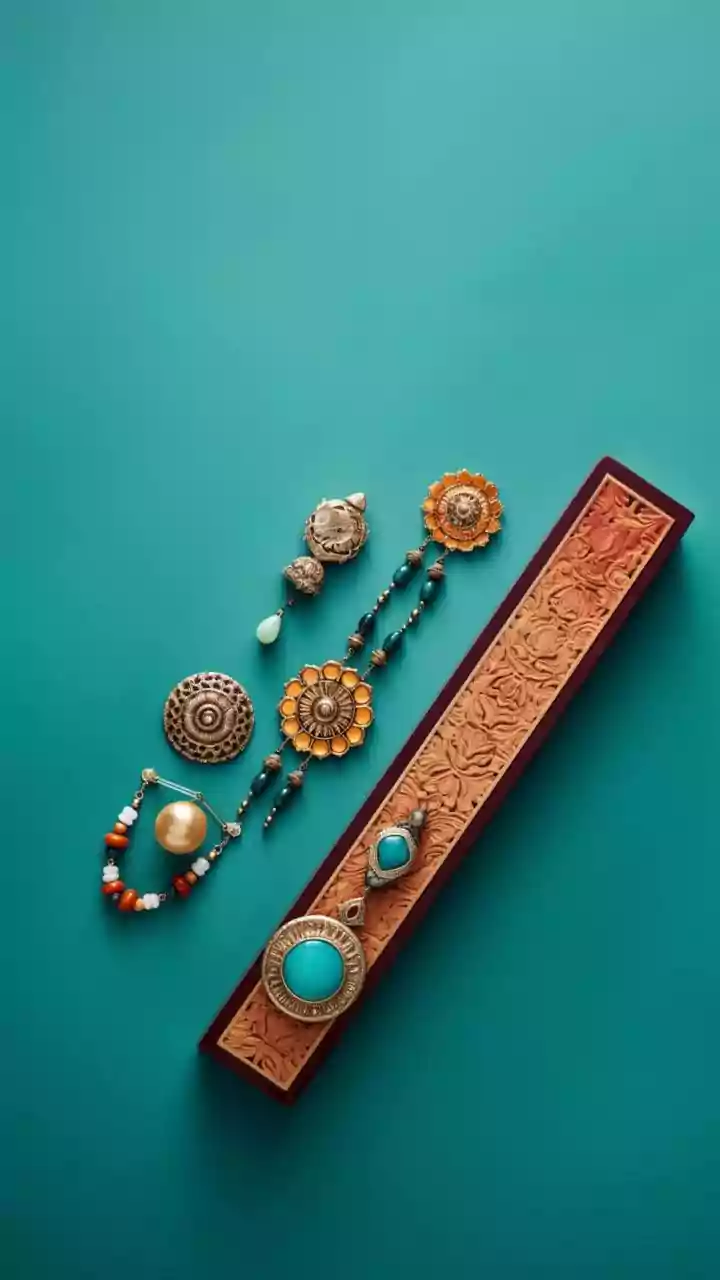
A significant driver of this change is a growing collective conscience about environmental waste. The fleeting joy of unwrapping a gift often comes at the cost of excessive plastic packaging, non-biodegradable materials, and a short product lifespan that contributes to landfills. Consumers are increasingly aware of this impact and are actively seeking alternatives. Eco-friendly rakhis made from seeds that can be planted, or handcrafted items from local artisans, are gaining traction. This move away from plastic is not just about being environmentally responsible; it's about giving a gift that aligns with a more mindful and sustainable value system, making the gesture feel more authentic and thoughtful.
The Quest for Personalisation
In an era of mass production, uniqueness has become a currency. An experiential gift is, by its very nature, a personalized one. Choosing an activity, a class, or a trip requires genuine thought about the sibling's personality, hobbies, and interests. According to recent reports on gifting trends, consumers are showing a strong preference for gifts that feel bespoke and carry an emotional connection. This can range from a curated gourmet food experience for a foodie brother to a spa voucher for a sister who needs to de-stress. Even physical gifts are becoming more personalized, with engraved accessories and custom hampers rising in popularity. This desire for a one-of-a-kind gesture is a direct reaction to the generic, off-the-shelf options that have dominated the market for years.
Modern Twists on a Timeless Bond
This evolution in gifting doesn't signal a departure from tradition but rather an adaptation of it. The fundamental spirit of Raksha Bandhan—celebrating the sibling bond—remains unchanged. What's different is the medium of expression. Gifting an experience is seen as a more direct investment in the relationship itself. It is a promise not just of protection, but of presence, attention, and shared joy. This modern approach often strengthens the festival’s core meaning by cutting through the clutter of commercialism and focusing on what truly matters: the connection between siblings. Platforms offering gift cards for experiences or curated activity boxes are making it easier than ever for people to embrace this trend, ensuring the festival evolves with the times.