



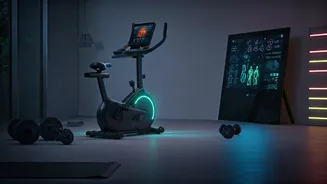


The Shift from Gym Floor to Living Room
Not long ago, the pinnacle of fitness commitment was a gym membership. The pandemic, however, served as an unprecedented catalyst, forcing millions to trade squat racks for yoga mats in the den. While lockdowns initiated the migration, the trend has proven
to have staying power. The reasons are rooted in something deeper than necessity: a fundamental shift in what we value. Convenience, personalization, and technology have converged to make home fitness more appealing and effective than ever before. What started as a temporary solution has revealed itself to be a durable, long-term preference for a significant slice of the population.
An Ecosystem of Digital Fitness
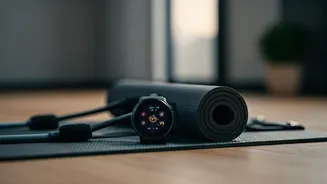
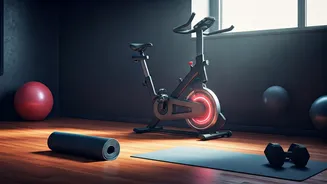
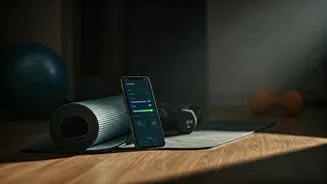
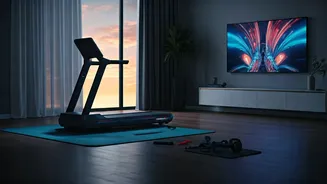
Today’s home workout is a far cry from dusty VHS tapes. A sophisticated digital ecosystem has risen to meet, and fuel, consumer demand. Companies like Peloton, Tonal, and Mirror have transformed passive equipment into interactive, data-driven experiences with charismatic instructors and competitive leaderboards. Subscription-based apps like Apple Fitness+, Daily Burn, and countless others offer a library of classes—from HIIT and strength training to yoga and meditation—for a fraction of a typical gym membership's cost. This digital layer provides variety, structure, and a sense of community that was previously the exclusive domain of brick-and-mortar studios, making it easier than ever to stay engaged without leaving the house.
The Unbeatable Allure of Convenience
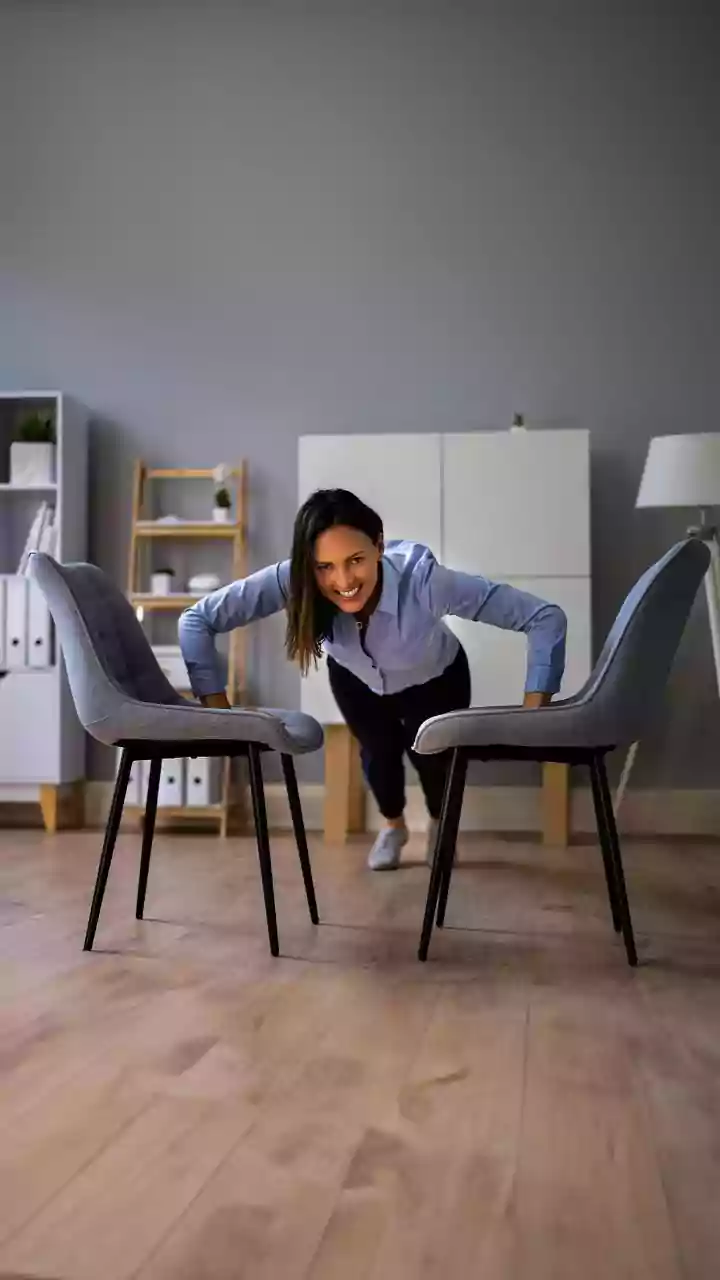
At its core, the home fitness boom is powered by convenience. The time saved by eliminating the commute to and from a gym is a massive draw for busy professionals and parents. There are no opening or closing hours, no waiting for a machine, and no need for a perfectly coordinated workout outfit. This 'frictionless' experience removes many of the common barriers that derail fitness goals. For those who feel self-conscious or intimidated in a public gym setting, the privacy of home provides a safe space to learn, fail, and build confidence at their own pace. This combination of accessibility and comfort has made consistent exercise a realistic goal for a new wave of people.
But Is the Gym Officially Dead?
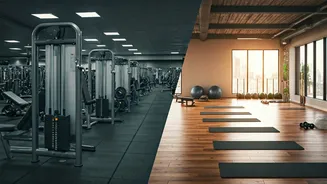
Despite the home workout explosion, reports of the gym’s death have been greatly exaggerated. While many have cut the cord entirely, a new 'hybrid' model is emerging as the dominant paradigm. Many Americans are now supplementing their home routines with occasional visits to a gym or specialized studio. Why? Because gyms still offer things that are hard to replicate at home: a wider array of heavy and specialized equipment, the raw energy of a live group class, and the intangible sense of community and third-space separation from home and work. Rather than a replacement, at-home fitness has become a powerful complement, giving consumers more choice and flexibility than ever before in crafting their ideal fitness week.
Making Your Home Workout Stick
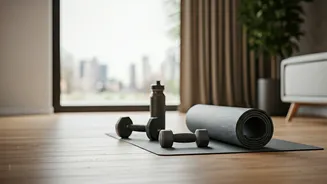
If you're looking to join the trend or make your current routine more effective, a few key strategies can make all the difference. First, create a dedicated space, even if it's just a corner of a room. Having your mat, weights, or screen ready to go reduces the mental effort needed to start. Second, find a routine you genuinely enjoy, not just one you think you *should* do. The vast digital landscape means there’s something for everyone. Finally, schedule your workouts like appointments you can’t miss. By embedding fitness into your calendar, you transform it from an afterthought into a non-negotiable part of your day.