





Your Bag: The First Line of Defence
Before you even think about what’s inside, the bag itself is your primary shield. Most backpacks are water-resistant, not waterproof, meaning they can handle a light shower but will eventually fail in a sustained downpour. The single most effective upgrade
is a waterproof rain cover. These are lightweight, pack down to almost nothing, and can be deployed in seconds. For a more built-in solution, look for bags made from waterproof materials like coated nylon or those with a roll-top closure, which eliminates the risk of water seeping through zippers. As a final check, ensure your bag has a durable, waterproof base made from materials like TPU, as this is the part most likely to sit in a puddle when you set it down.
Fortress for Your Laptop
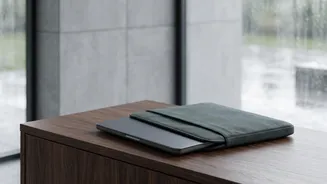
Your laptop needs its own dedicated protection inside the bag. Never just slide it into a main compartment. At a minimum, use a padded laptop sleeve. For true peace of mind, upgrade to a waterproof sleeve or a small 'dry bag'. Dry bags, popular in water sports, are designed to be fully submerged, offering the ultimate guarantee against leaks. Another simple, low-cost hack is to use a plastic grocery or trash bag. Place your laptop inside its regular sleeve, then slide the entire thing into the plastic bag before putting it in your backpack. This double-bagging method creates an extra barrier that is surprisingly effective against even the heaviest rain.
Strategic Internal Packing
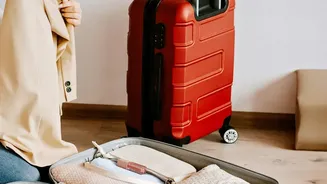
How you pack inside your bag matters. Always place your laptop in its dedicated, padded compartment, which is typically raised slightly from the bottom of the bag to protect against drops and puddles. Use packing cubes or even simple resealable plastic bags to compartmentalise your belongings. This not only keeps you organised but also contains any potential moisture. For example, keeping your umbrella, a damp raincoat, or wet shoes separate from your electronics and dry clothes is critical. A few large zip-top bags are invaluable for segregating wet from dry. You can also toss in a few silica gel packets to absorb ambient humidity and prevent that musty smell from developing inside your luggage.
Winning the War on Muddy Shoes
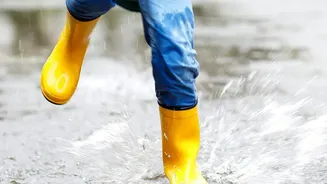
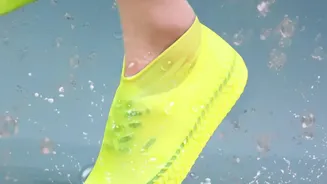
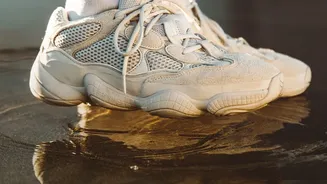
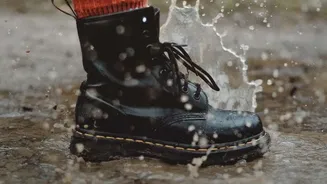
Muddy, soaked shoes can ruin a day of travel. The best offense is a good defence. Before you leave, treat your shoes with a quality waterproofing spray. For footwear that isn’t waterproof, avoid wearing it on days with heavy rain. Instead, opt for water-resistant footwear with good grip to prevent slipping on wet surfaces. When you need to pack dirty or wet shoes, don’t just toss them in your bag. First, wipe off as much mud and moisture as possible with a paper towel or cloth. Then, place them in a dedicated shoe bag, a reusable plastic grocery bag, or a disposable shower cap to keep the grime contained and away from your clean clothes. Packing an extra pair of lightweight, quick-drying sandals or flip-flops is also a wise move for indoor use.
Beyond the Basics: Essential Extras
A few other small items can make a huge difference in wet weather. Always carry a compact, quick-dry microfibre towel. It absorbs water much more efficiently than cotton and is useful for wiping down your bag, electronics, or yourself after a sudden shower. Keep crucial items like your passport, wallet, and phone in a smaller waterproof pouch or a resealable plastic bag for easy access and guaranteed protection. Finally, choosing the right clothes helps. Synthetic, quick-dry fabrics like polyester and nylon are far superior to cotton in the rain, as they dry faster and stay more comfortable when damp.