

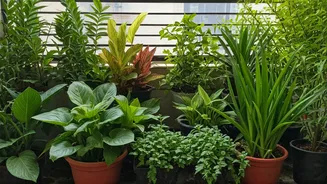
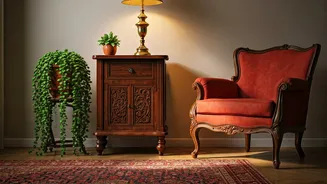


Embrace the Trailing Effect
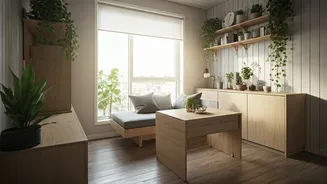
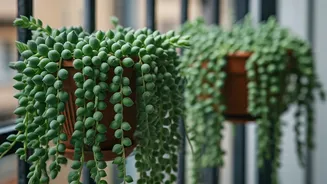
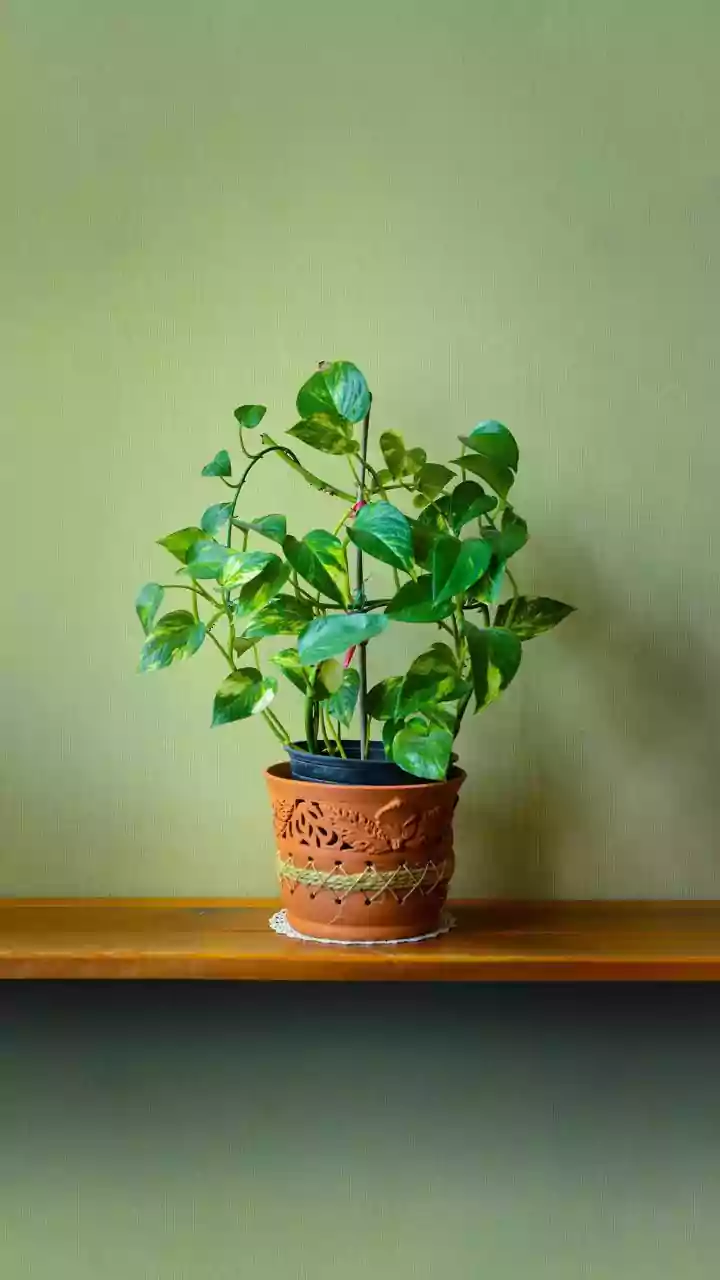
One of the quickest ways to break up the monotony of a flat wall is with trailing plants. Varieties like Pothos (also known as Money Plant in India) and Heartleaf Philodendron are famously easy to care for and grow quickly. Their cascading vines draw
the eye downward, creating a sense of movement and grace. Placing them on a high shelf or in a hanging basket allows their foliage to drape down, softening the hard edges of furniture and walls. They are forgiving in a range of light conditions, from low to bright indirect light, making them perfect for apartments where sunlight can be scarce.
Choose Soft, Feathery Textures
To literally add a soft texture to your room, look for plants with delicate, airy foliage. Maidenhair ferns, with their intricate and light leaves, are an excellent choice for adding a touch of elegance. Similarly, the Asparagus Fern has feathery, light fronds that create a soft, cloud-like appearance. These plants introduce a different kind of visual interest than those with broad, glossy leaves. They physically look soft to the touch and their gentle movement in a slight breeze can make a static room feel more dynamic. They thrive in humidity, making them great candidates for bathrooms or kitchens.
Go Vertical with a Slim Profile
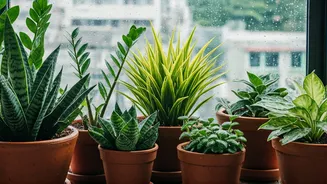
In a small space, floor area is precious. That's where vertical plants become invaluable. The Snake Plant (Sansevieria) and the ZZ Plant (Zamioculcas zamiifolia) are superstars in this category. Both have an upright growth habit, meaning they grow upwards rather than outwards, taking up minimal square footage. Their tall, structural leaves add a sense of height to a room, drawing the eye up and making the ceiling feel higher. As an added bonus, both are incredibly resilient, tolerating low light and infrequent watering, which is ideal for beginners or busy city dwellers.
Soften Corners with a Focal Point
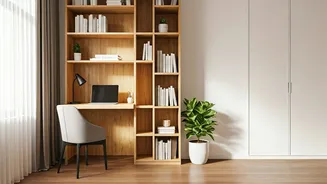
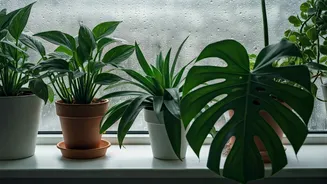
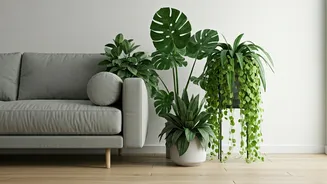
Empty corners can make a room feel boxy and unfinished. Placing a single, well-chosen plant in a corner can instantly soften those harsh 90-degree angles and create an intentional design moment. A tall, narrow plant like a Fiddle Leaf Fig or a Monstera Deliciosa on a plant stand can transform an awkward, empty corner into a lush, living sculpture. This strategy anchors the room and adds a layer of depth without obstructing pathways or making the space feel cluttered.
Play with Varied Leaf Shapes
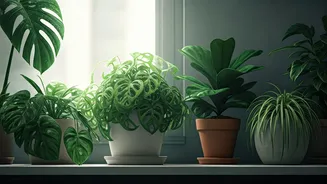
A room filled with plants of a similar leaf shape can start to feel repetitive. Creating visual interest is all about contrast and variety. Mix plants with different foliage types to create a richer, more layered look. For example, pair the round, coin-shaped leaves of a Chinese Money Plant (Pilea peperomioides) with the bold, patterned foliage of a Calathea. The contrast between the simple, circular leaves and the intricately detailed ones keeps the eye moving and makes the arrangement feel more curated and thoughtful. Peperomia varieties also offer a huge range of leaf shapes and textures in a compact size, perfect for desktops and shelves.
Utilise Hanging and Wall Planters
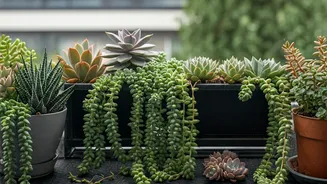
When surface area is limited, the only way to go is up. Hanging planters are a classic solution for small spaces because they free up floors and shelves entirely. Plants like String of Hearts or Spider Plants are perfect for this, as their trailing nature is displayed to its full effect. Wall-mounted planters serve a similar purpose, turning a blank wall into a living piece of art. This use of vertical space not only allows you to add more greenery but also adds layers to your decor, making the room feel more full and intentionally designed without sacrificing usability.