








Remember when 'revenge travel' meant escaping lockdowns? The term has evolved. It no longer just describes making up for lost time after a global crisis, but a more personal and potent form of therapeutic escape.
The Term We All Thought We Knew
For a couple of years, 'revenge travel'
was the buzzword on everyone's lips. Coined in the aftermath of the COVID-19 pandemic, it described the global phenomenon of people rushing to book trips to 'take revenge' on the virus that had kept them home. It was a collective sigh of relief manifested as a plane ticket. The driving force was a pent-up demand to make up for lost time, postponed holidays, and cancelled plans. This was travel as a defiant act of reclaiming control and normalcy after a period of intense restriction and uncertainty. People weren't just travelling; they were often splurging on bucket-list destinations and luxury experiences they had dreamed of during lockdowns.
The New 'Personal Pandemics'
Now, the definition of revenge travel is broadening significantly. The core idea of travelling to overcome a period of difficulty remains, but the crisis is no longer a global one. It’s personal. Think of it as a response to a 'personal pandemic': a devastating breakup, quitting a toxic job, the loss of a loved one, or recovering from a serious illness. In this new context, travel serves as a powerful tool for catharsis and transition. It’s a way of physically and emotionally marking the end of a difficult chapter and the beginning of a new one. This form of travel is less about sightseeing and more about healing and self-reclamation. It transforms a simple vacation into a meaningful, therapeutic journey.
From Spontaneity to Statement
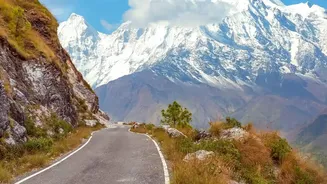
The psychology behind this evolved form of revenge travel is what makes it so compelling. It is a deliberate and intentional act. Unlike a spontaneous weekend away, this trip is a statement. It’s a declaration against a negative life event, a way to process grief, anger, or burnout. For many in India, this trend is taking shape in solo treks across the Himalayas to clear one’s head after a layoff, or wellness retreats in Kerala to find peace after a personal loss. All-women travel groups are also seeing a surge in popularity, providing a supportive environment for those seeking a transformative experience. This isn't about escaping reality, but rather about using a new environment to confront and build a new one. When Indians travel, it is often for a specific reason—be it pilgrimage or health—and this new trend adds another layer of purpose-driven journeys.
The Climate Change Dimension
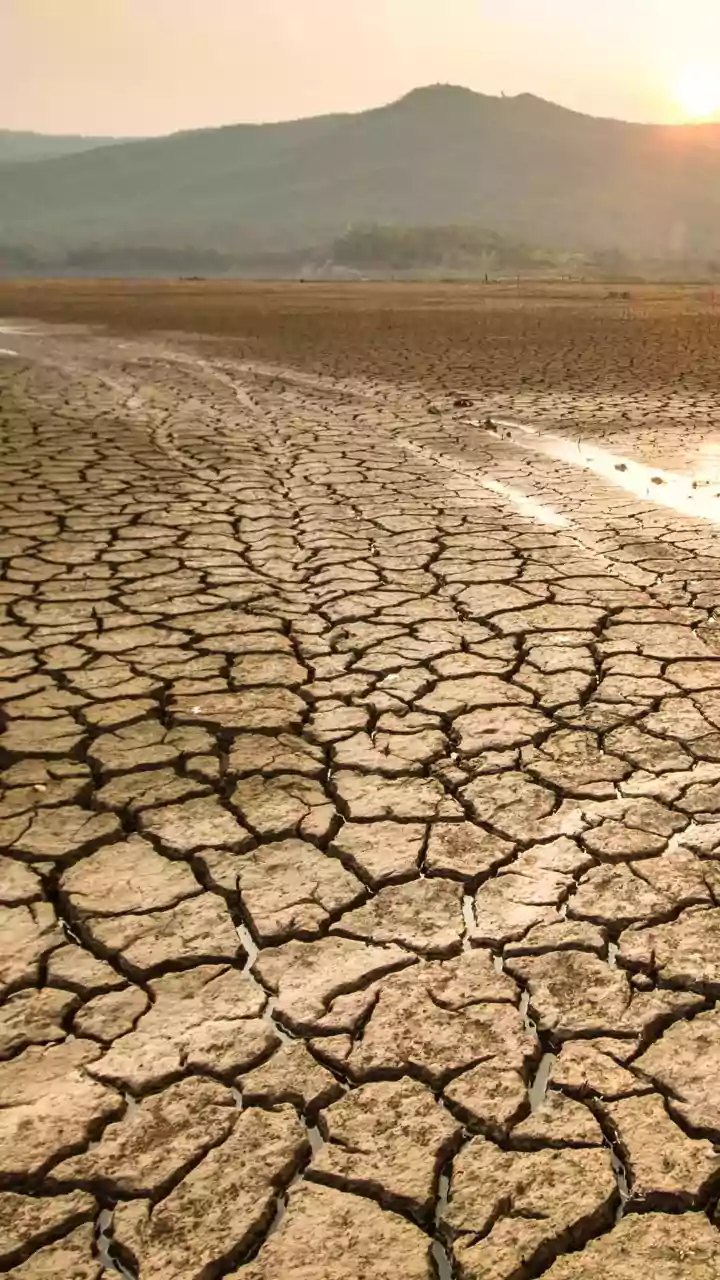
Another, more urgent, form of revenge travel has emerged: 'last-chance tourism'. This involves rushing to see destinations that are threatened by climate change before they are irreversibly altered or disappear completely. Travellers are flocking to see the Great Barrier Reef before coral bleaching worsens, the glaciers of the Arctic before they melt away, or the lowlyng Maldive islands before they are submerged. This is a darker, more poignant form of 'revenge'—an attempt to get revenge on time itself, driven by a sense of ecological grief and loss aversion. The paradox, of course, is that the carbon footprint of travelling to these fragile destinations often contributes to the very destruction people are hoping to witness before it's too late.