


From Monuments to Moments
For years, tourism in India was synonymous with landmarks like the Taj Mahal or the forts of Rajasthan. While these remain iconic, a significant shift is underway. Modern travellers, particularly younger generations, are seeking more immersive and authentic
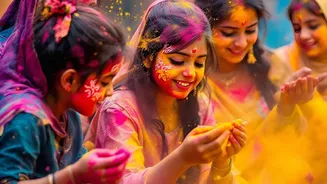
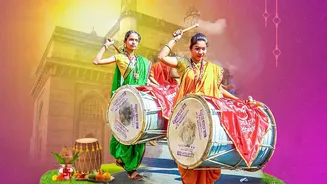
cultural encounters. This has fuelled the rise of 'experiential travel', where the goal is not just to see a place but to feel its rhythm and participate in its traditions. Festivals, with their explosive energy, deep-rooted rituals, and community spirit, are at the heart of this movement. State tourism boards and private operators are recognising that India's true wealth lies in these living traditions, and they are beginning to market them as must-see events.
Kolkata's Durga Puja: A Global Showcase
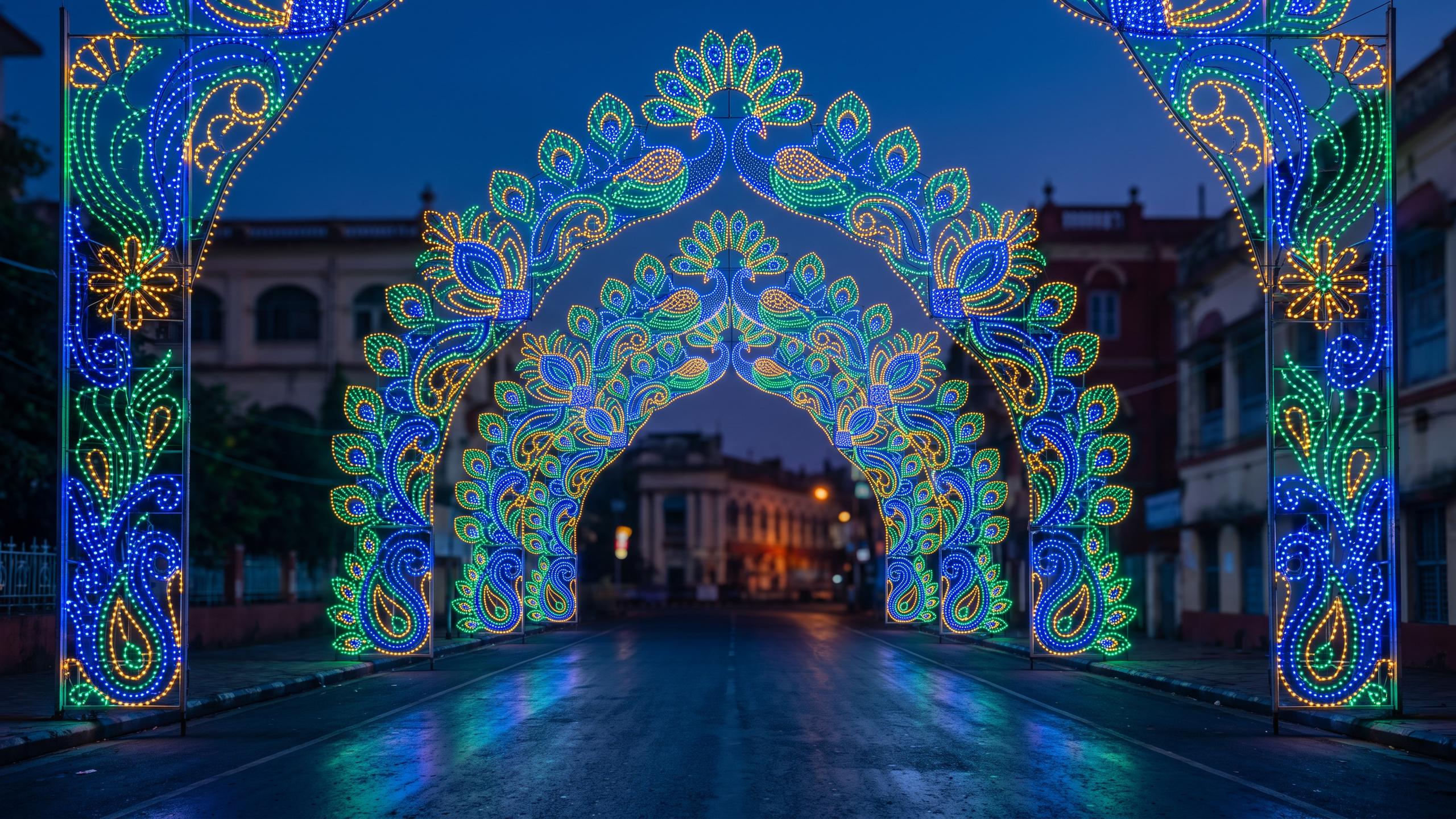
Perhaps no festival exemplifies this trend better than Durga Puja in Kolkata. Once a predominantly religious and social affair, it has transformed into what many call the world's largest public art festival. Following its inclusion on UNESCO's list of Intangible Cultural Heritage, efforts to package the festival for a global audience have intensified. Tour operators now offer curated 'pandal hopping' tours, taking visitors through the spectacular temporary structures that house the idols, each with a unique artistic theme. There are also guided tours of 'Bonedi Bari' (aristocratic household) pujas, offering a glimpse into centuries-old family traditions. These packages often include transport, meals, and expert guides, making the magnificent chaos of the festival accessible and enjoyable for outsiders.
Mysuru Dasara's Royal Treatment
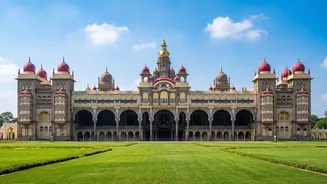
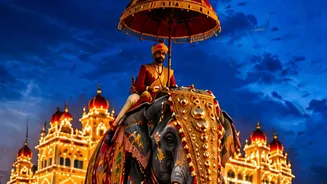
In the south, Mysuru's Dasara celebrations offer another powerful example of curated heritage. Tracing its origins to the Vijayanagara Empire, the 10-day festival is a spectacle of royal pageantry and cultural performance, now organised by the state government. The city transforms, with the famous Mysuru Palace illuminated by 100,000 bulbs. The state actively promotes a calendar of events, including cultural programmes, food festivals, and the grand finale, the 'Jamboo Savari' procession. Recent initiatives have even aimed to include cultural tableaux from neighbouring states, broadening its appeal as a regional showcase. This structured approach allows visitors to plan their trip around specific events, ensuring they experience the full grandeur of the 'Nadahabba' or State Festival.
A Nationwide Cultural Awakening
This trend extends far beyond Kolkata and Mysuru. In Gujarat, the Rann Utsav packages the stark beauty of the white desert with folk culture, crafts, and music. In Nagaland, the Hornbill Festival is a government-backed initiative to bring together the various tribes of the state, creating a single venue for tourists to experience diverse traditions. From the Thrissur Pooram in Kerala with its majestic elephants to the Desert Festival in Jaisalmer, cities are leveraging their unique cultural assets. These events create a powerful incentive for travel, drawing domestic and international visitors who plan their trips specifically around these 'once-in-a-year' experiences.
The Impact on Economy and Identity
The benefits of festival tourism are profound. Economically, it creates a surge in demand for hotels, transport, and local businesses, from artisans to food vendors. This model disperses tourist spending beyond major hubs into smaller towns and rural areas, supporting local economies. Culturally, it creates a new sense of pride and provides a platform for artists, musicians, and performers to showcase their talents to a wider audience. By packaging these celebrations, cities are not just creating travel products; they are actively investing in the preservation and promotion of their intangible heritage, ensuring these traditions thrive for generations to come.