




The Three Acts of Onion Farming
In India, the onion story unfolds in three distinct acts, or seasons, each contributing differently to the year-round supply. First is the Kharif crop, sown during the monsoon in June-July and harvested around October-December. Next comes the Late Kharif,
planted in October-November and harvested from January to March. Finally, the most significant is the Rabi crop, sown in the winter months of December-January and harvested between March and May. This staggered production is designed to ensure a steady supply, but as we know, it doesn't always work out that way.
Why the Rabi Crop Is the Star Player
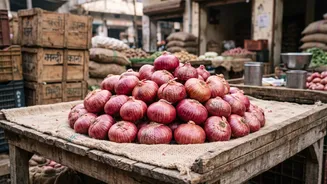
The Rabi harvest is the undisputed hero of India's onion supply, accounting for a massive 60% to 70% of the country's total annual production. What makes the Rabi onion so crucial is not just its volume but its sturdiness. Harvested in the hot, dry months of spring, these onions have lower moisture content, which gives them a much longer shelf life. This allows them to be stored for months, feeding the nation from May until the first Kharif crops begin to arrive in October. Without a successful and well-stored Rabi crop, the entire supply chain becomes vulnerable.
Kharif: The Unpredictable Monsoon Crop
The Kharif and Late Kharif crops, which together make up about 30-40% of production, are vital for bridging the supply gap in the latter half of the year. However, their dependence on the monsoon makes them notoriously unpredictable. Onions are sensitive to water; too much rain can lead to waterlogged fields, crop damage, and fungal diseases. A delayed monsoon can disrupt sowing schedules, while unseasonal heavy rains during harvest can ruin the ready crop. This fragility is why the period between September and November often becomes a 'lean season', when stored Rabi stocks are dwindling and the new Kharif crop hasn't fully arrived in markets, causing a critical supply gap and a surge in prices.
The Role of Storage and Supply Chains
Even with three harvests, getting onions from the farm to your plate is a complex challenge. Inadequate storage facilities, particularly the lack of scientific cold storage, mean a significant portion of the harvest can be lost to spoilage. This is especially true for the more perishable Kharif onions. The lean period from September to November often sees prices climb as traders release stored Rabi onions into the market. Sometimes, this system is disrupted by hoarding or speculation, where traders hold back stock to artificially inflate prices, prompting government intervention. This gap between farm and market is a major reason why farmers might receive low prices while consumers pay a premium.
The Government's Balancing Act
When prices spiral, the government often steps in with measures to stabilise the market. These can include releasing onions from its buffer stock at subsidised prices, restricting exports to ensure domestic availability, or even importing onions from other countries as a last resort. For instance, special 'Kanda Express' trains have been used to rush supplies to high-demand areas. While these interventions can provide temporary relief to consumers, they highlight the persistent challenge of balancing farmer income with consumer affordability in a market dictated by weather and seasonal cycles. Recent reports from early October 2026 show prices beginning to ease as fresh Kharif arrivals increase, demonstrating this cycle in action.