





A New STRIDE for Mars
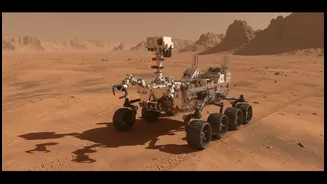
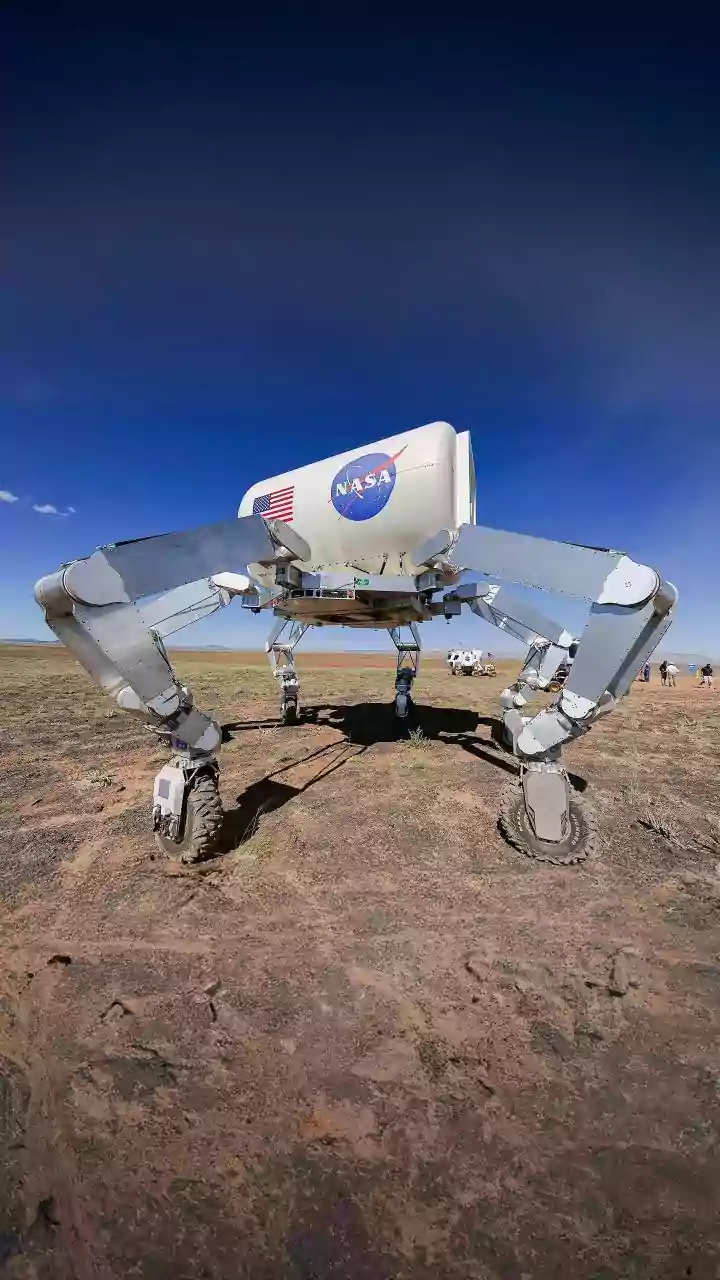
NASA's approach to Mars has historically been defined by iconic, car-sized rovers like Curiosity and Perseverance. While incredibly successful, these are complex, billion-dollar projects. Now, through a new initiative called STRIDE (Science Transport
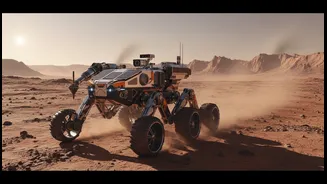
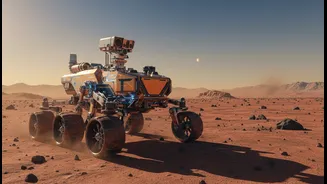
and Robotic Innovation for Deployment and Exploration), NASA is investing in a different strategy. The agency has awarded contracts with a total potential value of around $17 million for seven companies to conduct design studies for a new generation of robots. The goal is to leverage commercial innovation to create systems that can access more challenging terrain, travel greater distances, and investigate scientifically valuable regions that are currently out of reach.
AeroVironment: The Aerial Expert
If you've heard of the Mars Ingenuity helicopter, you know AeroVironment's work. The company was instrumental in that groundbreaking mission, which proved powered, controlled flight was possible in the thin Martian atmosphere. Tapping them for this new initiative is a logical next step. Their expertise will be crucial in developing next-generation aerial explorers, potentially creating drones or helicopters that can go beyond scouting and carry scientific instruments to otherwise inaccessible cliffsides, craters, and canyons on Mars.
Astrobotic and Intuitive Machines: The Lunar Pioneers
These two companies are veterans of NASA's Commercial Lunar Payload Services (CLPS) program, tasked with delivering science and technology to the Moon. Both Astrobotic and Intuitive Machines have hard-won experience in designing, building, and operating landers destined for another world. This expertise in navigating the complexities of payload delivery and surface operations on the Moon is directly transferable to Mars. Their involvement suggests NASA is serious about creating a reliable and potentially more frequent supply chain for getting new robotic hardware onto the Martian surface.
Honeybee Robotics: The Martian Digger
Exploring Mars isn't just about what's on the surface. Some of the most compelling scientific questions, especially those related to past life, require digging underneath it. This is where Honeybee Robotics comes in. For decades, the company has been a go-to partner for NASA, developing specialized drills, sample collection systems, and other robotic tools. They have provided hardware for multiple Mars missions, and their role in STRIDE will likely focus on designing robots capable of drilling, scooping, and analyzing Martian soil and rock to search for biosignatures and water ice.
Venturi Astrolab: The Heavy Hauler
Venturi Astrolab, often known simply as Astrolab, brings a focus on large-scale mobility to the table. The company is already developing a flexible rover platform designed to transport both cargo and, eventually, astronauts. While this program is focused on uncrewed robots, Astrolab's expertise in designing robust, high-capacity rovers could be adapted for missions that require deploying larger scientific instruments or a network of smaller robots across the Martian landscape.
Ground Control Robotics and MEI Technologies
Rounding out the list are two more key innovators. Ground Control Robotics is a newer player focused on developing sophisticated robotic systems. MEI Technologies, which now operates as part of Aegis Aerospace, has a long history of providing engineering services and technical support for NASA projects. Their inclusion ensures a wide range of ideas, from fresh robotics concepts to the established systems engineering needed to make ambitious missions a success. These companies represent the diverse ecosystem of expertise NASA is cultivating to solve its future exploration challenges.