





Define Clear Zones for Calm and Containment
The first step to a manageable small space is creating designated zones for your pet's activities. This isn't about restricting them, but about creating predictability and containing mess. Designate a specific corner for feeding with a waterproof mat
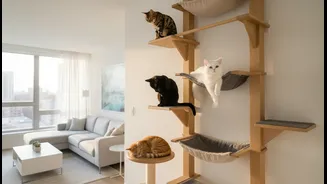
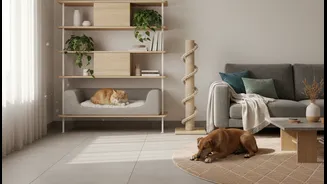
underneath to protect your floors from spills. This area should be separate from their sleeping and litter box areas to maintain hygiene and reduce stress. For sleeping, a cozy nook under a side table or in a quiet corner gives your pet a sense of security and a place to retreat. For cats, this also means thinking vertically. A tall cat tree or wall-mounted perches provide an outlet for climbing and observing, which is crucial for their well-being in compact homes. By giving everything a place, from toys to beds, you prevent clutter from taking over your living space.
Choose Fabrics and Surfaces Wisely
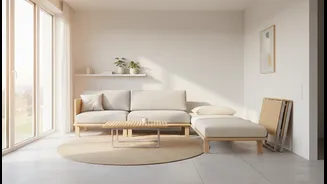
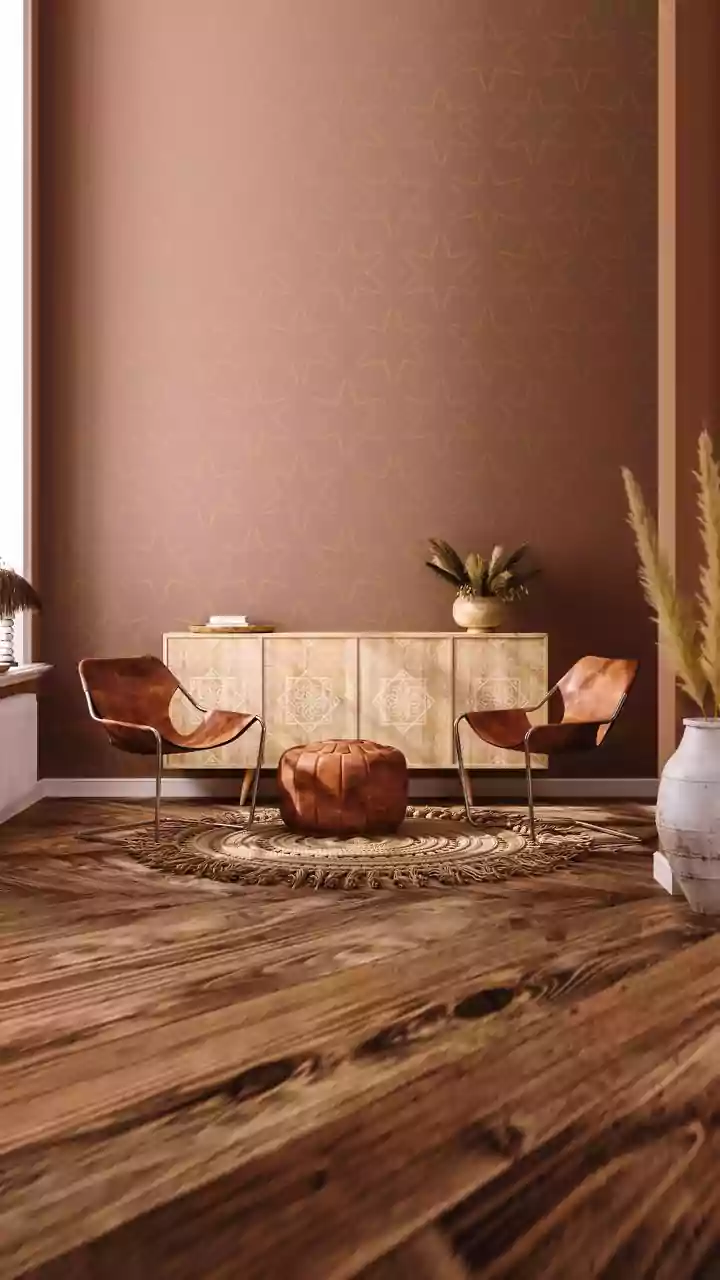
When it comes to furniture and surfaces, durability and cleanability are non-negotiable. For upholstery, opt for tightly woven materials that resist claws and don't trap fur. Microfiber is a popular choice because it's stain-resistant and easy to clean, while performance fabrics designed for outdoor use can withstand significant wear and tear. Leather can be a good option as it's easy to wipe clean of hair, though it may be prone to scratches; choosing a distressed leather can help camouflage any marks. Consider removable, machine-washable covers for sofas and chairs for hassle-free cleaning. For other surfaces like tables and counters, choose finishes that are scratch-resistant and non-porous. This foresight prevents the frustration of constantly dealing with stains, fur, and damage.
Master the Art of Pet-Proof Storage
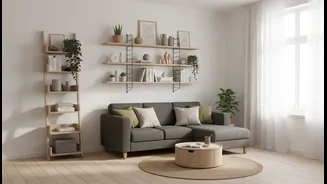
Pet ownership comes with a surprising amount of gear: food, toys, leashes, grooming tools, and more. In a small home, keeping this clutter contained is key. Multi-functional furniture is your best friend. An ottoman or bench with hidden storage can hide a multitude of toys while providing extra seating. Similarly, a stylish side table might actually be a cleverly disguised litter box cover or a cozy crate. Use vertical space for storage by installing hooks behind a door for leashes and harnesses, or placing shelves up high for supplies your pet shouldn't access. Using lidded baskets and designated cabinets for food and treats keeps things tidy and prevents your curious companion from helping themselves.
Get Your Flooring Right
Flooring takes the most abuse from pet life, from muddy paws to sharp claws. Soft woods and high-maintenance carpets that stain easily are often a source of stress for pet owners. Instead, consider hard-wearing, water-resistant options. Luxury vinyl plank (LVP) offers the look of wood but is more resistant to scratches and moisture. Ceramic or porcelain tile is another excellent choice, as it's extremely durable and easy to clean, though some recommend using minimal grout lines which can absorb odors. If you prefer softer flooring, indoor-outdoor rugs are a game-changer. They are designed to be durable, easy to clean, and come in stylish designs that can anchor a room without the worry of permanent stains.
Integrate Safety and Maintenance into the Design
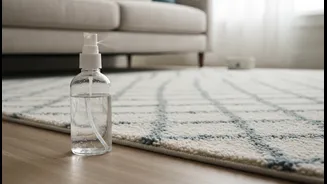
A well-designed pet-friendly home is also a safe one. Tucking away electrical cords and securing any dangling wires can prevent chewing and potential accidents. Ensure that any houseplants are non-toxic to your specific pet. Use child-proof latches on low cabinets that store cleaning supplies or food. Regular maintenance becomes much simpler when you've designed for it. For example, having an air purifier can help manage pet dander and odors in smaller, less ventilated spaces. A washable mat at the entrance can trap dirt before it's tracked through the house. These small, thoughtful details add up to a home that is safer, cleaner, and more pleasant for everyone.