
The Classic Monsoon: Cozy, Green, and Wet
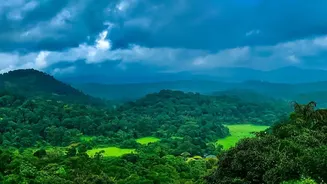
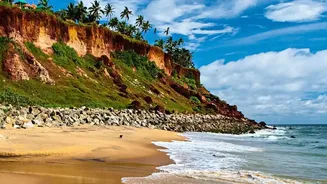
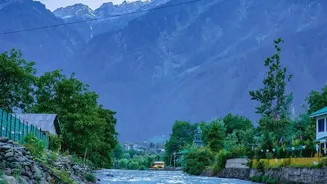
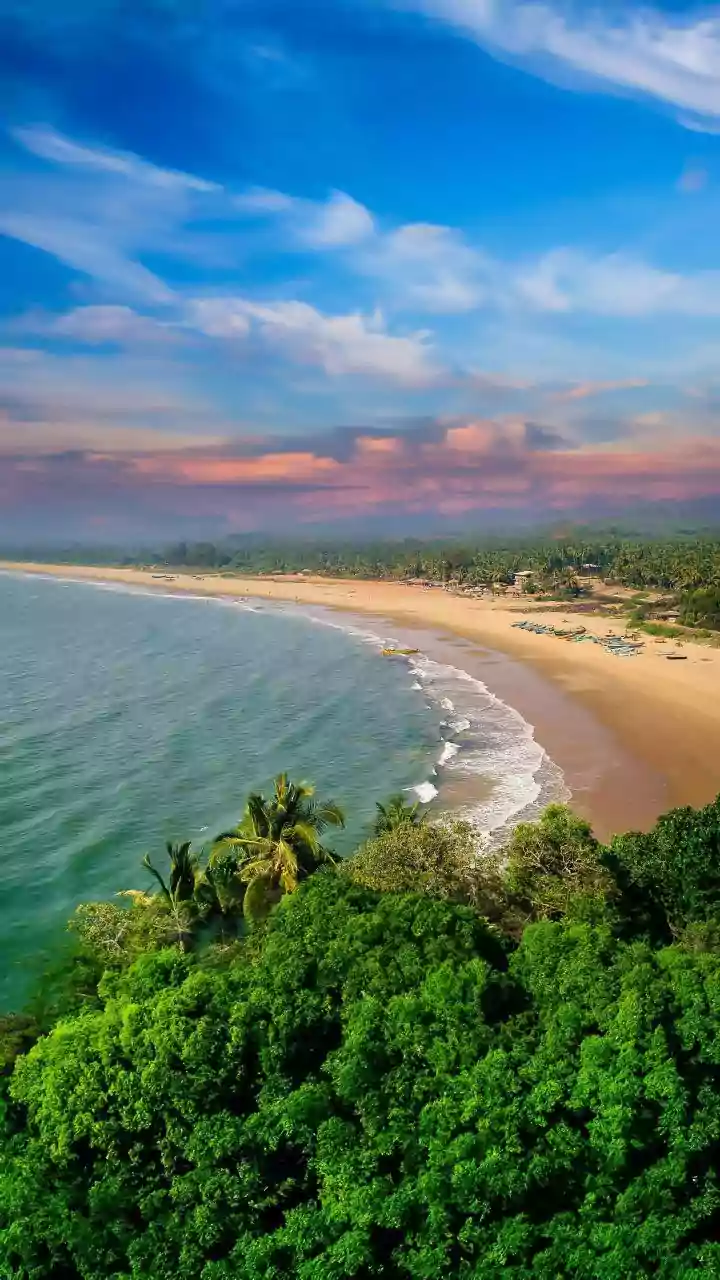
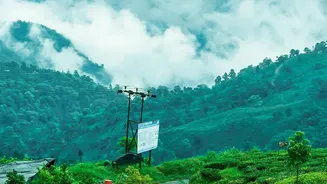
For many, the monsoon is synonymous with destinations like Kerala and Goa. From June to September, these coastal regions transform into verdant paradises. The southwest monsoon brings heavy rainfall, breathing life into the landscape. In Kerala, the backwaters
swell, tea gardens in places like Munnar are shrouded in mist, and the entire state glows with a fresh, vibrant green. It's a time for romantic houseboat cruises in Alleppey, enjoying Ayurvedic treatments while listening to the downpour, and witnessing waterfalls like Athirappilly in their full, thundering glory. Similarly, Goa, while quieter than in its peak tourist season, offers a different charm. The beaches are less crowded, the paddy fields are lush, and the Dudhsagar Falls becomes a spectacular sight. The vibe is cosy and romantic—it’s about sipping hot tea, reading a book by the window, and enjoying the drama of the rain.
Ladakh: The High-Altitude Desert Exception
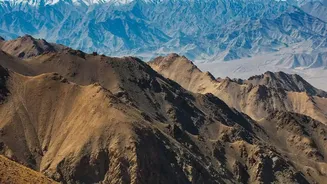
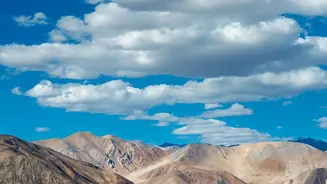
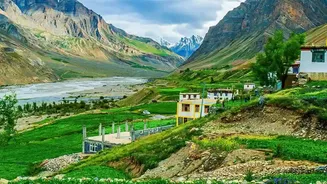
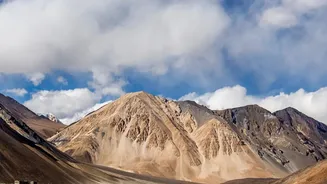
Meanwhile, hundreds of kilometres to the north, Ladakh tells a completely different monsoon story. Nestled in the great Himalayas, Ladakh is a cold desert that sits in a rain shadow. The towering mountain ranges effectively block the moisture-laden monsoon clouds that drench the rest of the country. As a result, while Goa and Kerala receive significant rainfall, Ladakh remains remarkably dry, receiving less than 100mm of rain annually. So, during July and August, when much of India is dealing with heavy showers, Ladakh experiences pleasant, sunny weather with clear blue skies. The daytime temperatures are comfortable, making it the peak season for tourism and outdoor activities.
A Contrast in Landscape and Vibe
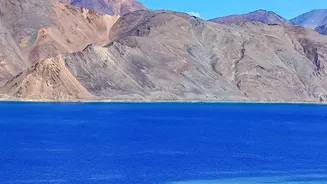
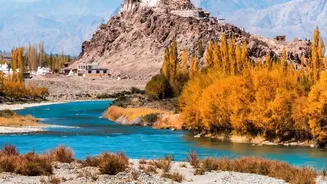
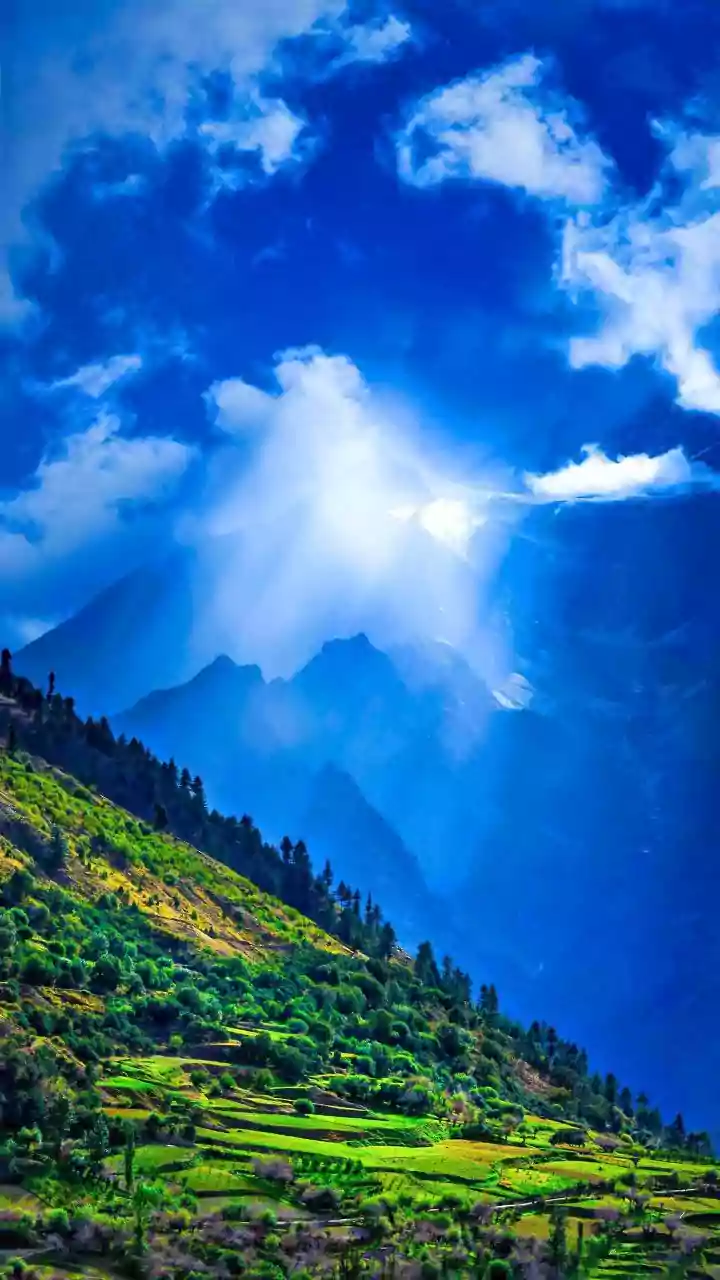
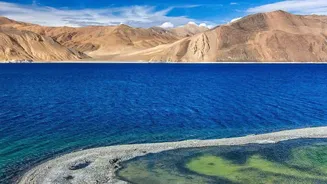
The difference in weather creates a stark contrast in landscapes. While Kerala and Goa are defined by their tropical greenery and humidity, Ladakh's beauty lies in its vast, arid-yet-stunning vistas. Think dramatic, barren mountains in shades of brown and purple, set against deep blue skies. The region’s lifeline is not the monsoon rain, but the meltwater from winter snow, which feeds its rivers and allows for cultivation in valleys like Nubra. The vibe is one of grand adventure and spiritual solitude, rather than cosy retreat. Instead of the scent of wet earth, you get the crisp, thin mountain air. Instead of seeking shelter from the rain, you'll be reaching for sunscreen to protect against the strong high-altitude sun.
Adventures Unlocked: What to Do
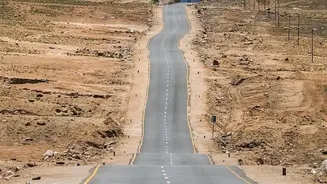
This divergence in climate directly impacts your travel itinerary. In Goa and Kerala, monsoon activities often revolve around the rain; you might enjoy indoor pursuits, wellness therapies, or short sightseeing trips between showers. In Ladakh, the monsoon months are the prime time for adventure. The passes, including the famous Khardung La, are open, granting access to stunning locations that are snowed-in during winter. It's the perfect season for road trips to the breathtaking Pangong Tso, whose waters shimmer in brilliant shades of blue under the sun, and the Nubra Valley, with its unique sand dunes and double-humped camels. Trekkers can explore routes like the Markha Valley, and river rafting enthusiasts can take on the Zanskar River. Monasteries like Thiksey and Hemis are easily accessible, offering a glimpse into the region's vibrant Buddhist culture.