




The Need for Speed and Altitude
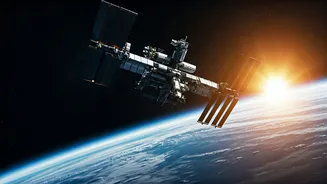
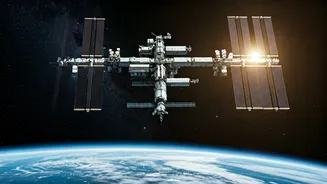
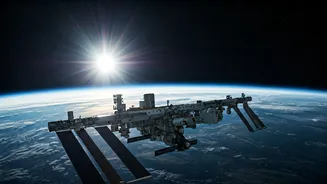
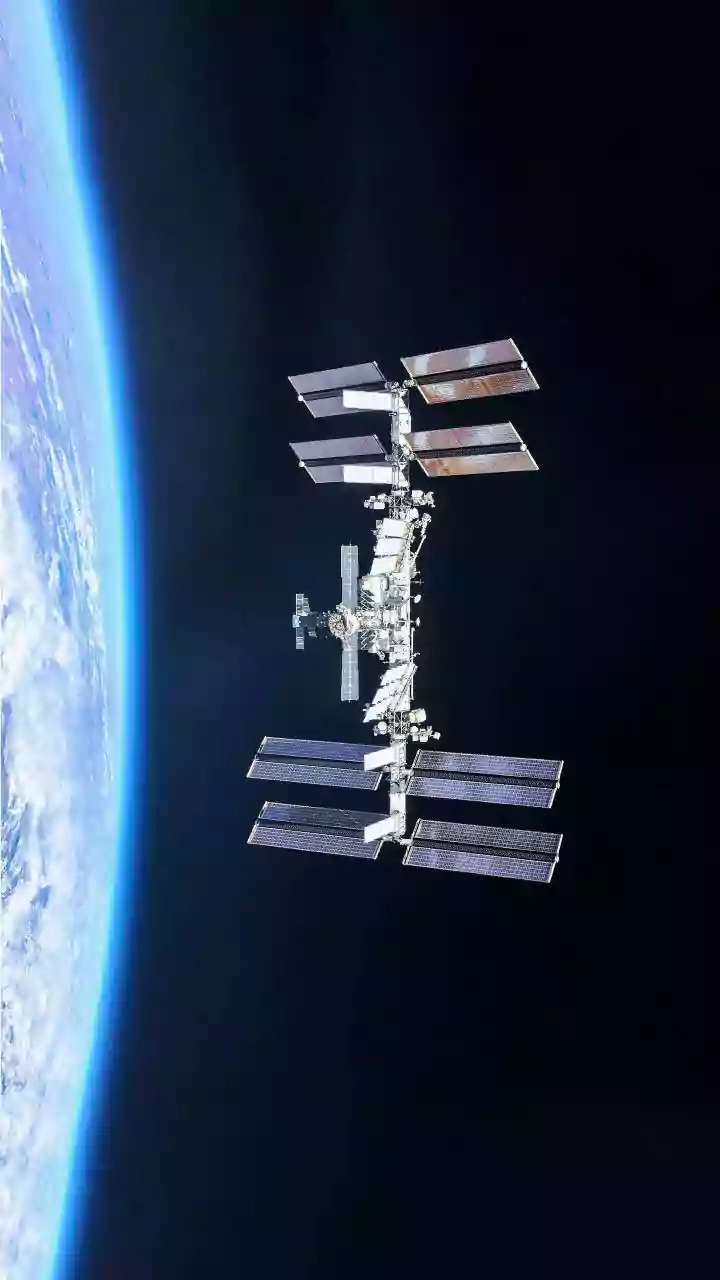
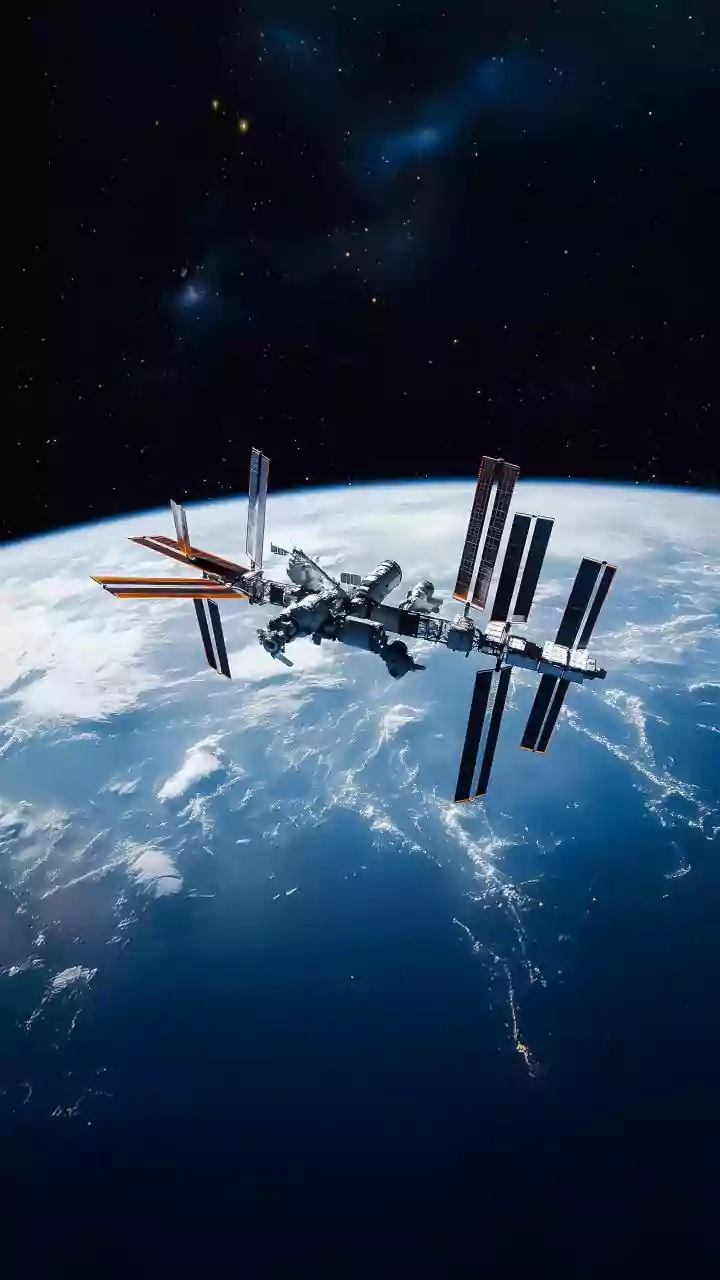
The simple answer lies in the incredible speed and specific altitude of the ISS. The station orbits Earth at a height of about 400 kilometres. To avoid being pulled back down by Earth's gravity, it must travel at a blistering pace of roughly 28,000 kilometres per
hour. To put that into perspective, it's like travelling from Mumbai to Delhi in just under three minutes. At this velocity, the ISS completes a full lap around our planet in about 90 to 93 minutes.
A Day in Just 90 Minutes
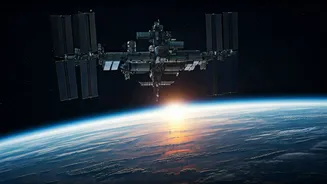
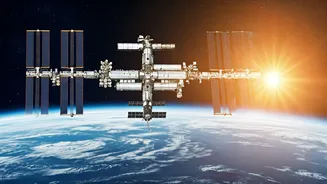
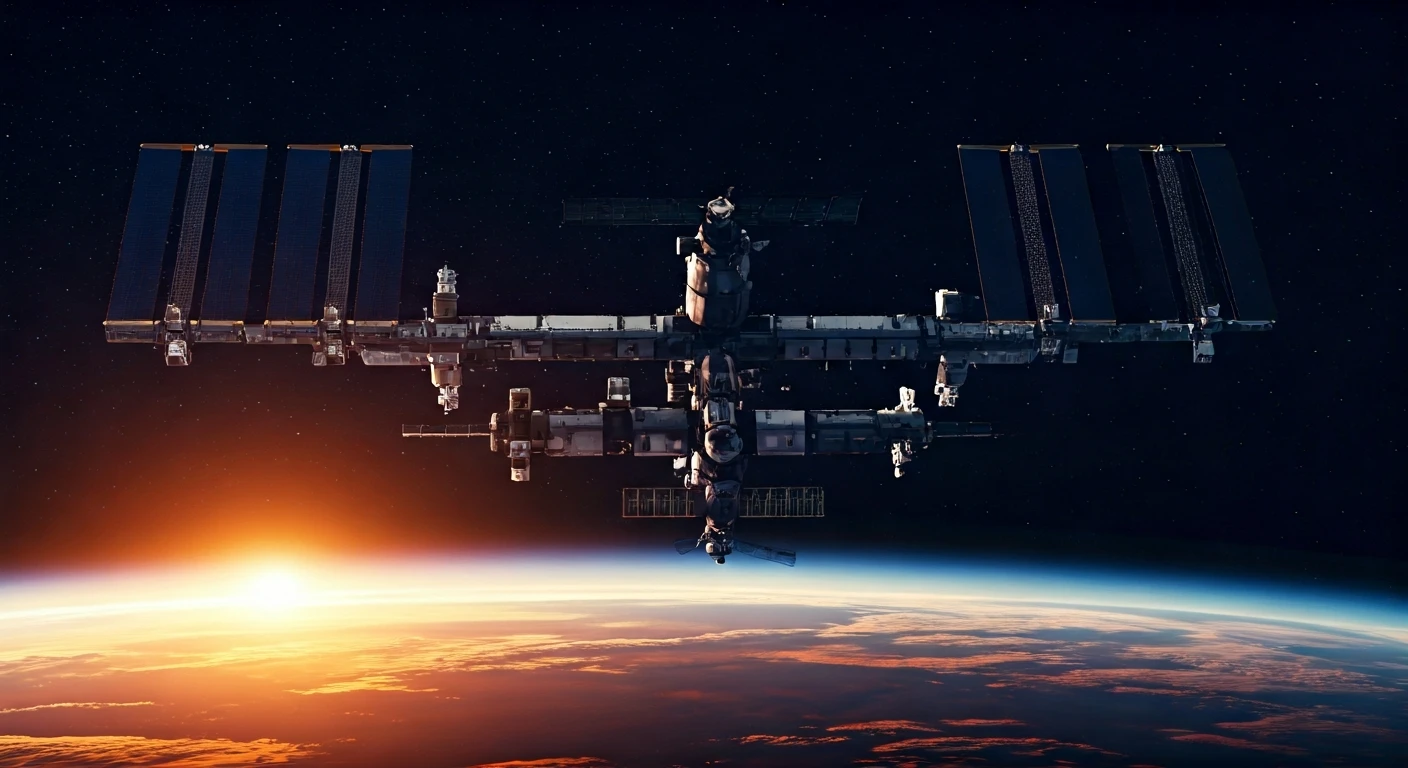
Our 24-hour day is defined by the time it takes Earth to rotate once on its axis. But for the ISS, a 'day' is the time it takes to complete one orbit. Since each orbit takes about 90 minutes, the astronauts on board pass from daylight into Earth's shadow (their night) and back into sunlight (their dawn) very quickly. When you do the maths, 24 hours divided by 90 minutes gives you 16. This means the crew experiences approximately 16 sunrises and 16 sunsets in the same time we experience just one. In reality, the number of orbits is closer to 15.5, but the effect remains the same: a constant, rapid cycle of light and dark.
The View from the 'Window to the World'
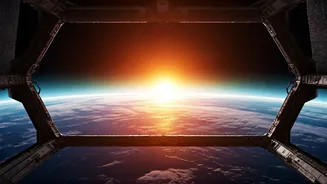
This disorienting yet spectacular phenomenon is best viewed from the station's Cupola module, a seven-windowed dome that provides panoramic views of Earth. Astronauts have described watching the terminator—the line between day and night on the planet's surface—sweep past in seconds. A sunrise that takes several minutes on Earth, from first glow to full light, is over in less than a minute aboard the ISS. The sun appears to leap over the horizon rather than slowly rise, creating a breathtaking visual that few humans ever get to witness firsthand.
How Do Astronauts Even Sleep?
Living with 16 sunsets a day would wreak havoc on anyone's internal body clock, or circadian rhythm. To manage this, life on the ISS doesn't follow the sun. Instead, astronauts operate on a strict schedule based on Coordinated Universal Time (UTC), which is essentially the same as Greenwich Mean Time (GMT). The station's interior lighting is adjusted to simulate a normal day-night cycle, and astronauts sleep in small, personal crew cabins. These are little more than phone-booth-sized pods where they strap their sleeping bags to a wall to prevent floating around. They also have to sleep near air vents, because in zero gravity, the carbon dioxide they exhale can form a dangerous bubble around their heads instead of dissipating.
More Than Just a Pretty View
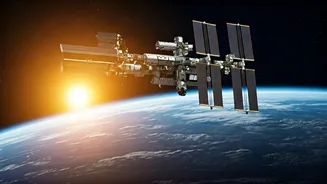
This rapid cycle of day and night isn't just a curiosity; it has practical implications for everything done on the station. Solar arrays, which provide the station's power, can only generate electricity for about 45-55 minutes of each 90-minute orbit before the station enters Earth's shadow and has to rely on batteries. Earth-observation experiments must be timed to coincide with the brief windows of daylight over a target area. Even spacewalks are meticulously planned around this constant transition from intense sunlight, with temperatures soaring to 120°C, to the freezing darkness of -150°C in shadow.