



The Undisputed King of Fruits
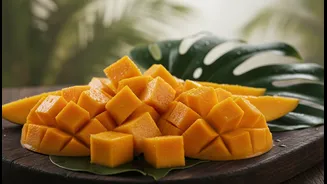
The mango, or 'Aam', is more than just India's national fruit; it's an emotion. For millennia, it has been a symbol of prosperity, love, and abundance, finding its way into mythology, poetry, and royal courts. From the sweet, golden pulp of a ripe Alphonso
to the sharp, acidic bite of a raw 'Kairi', the mango transforms completely depending on when and where it is plucked. This versatility is the secret to its vast culinary footprint. While the love for mangoes is a unifying thread across the country, the way each region prepares it tells a unique story about its climate, culture, and palate.
Sweet, Simple Pulp in the West
In the western states of Gujarat and Maharashtra, the ripe mango is celebrated in its purest form. Here, 'Aamras' is king. It is a simple, glorious bowl of chilled mango pulp, sometimes lightly flavoured with a pinch of cardamom or dry ginger. The dish is a testament to the quality of the local mangoes, like the famed Alphonso and Kesar, which are so sweet and flavourful they need little enhancement. Typically served with hot, fluffy pooris, the combination of sweet, cool pulp and warm, fried bread is a beloved summer ritual, marking festivals like Gudi Padwa and countless family meals.
Tangy and Complex in the South
Travel south, and the mango sheds its dessert-only image to become a star in savoury main courses. In Kerala, the 'Mambazha Pulissery' is a summer staple. This is a beautiful, tangy curry where chunks of ripe mango are simmered in a yogurt and ground coconut gravy, tempered with mustard seeds and curry leaves in coconut oil. It perfectly balances sweet, sour, and spicy notes. Meanwhile, in neighbouring Tamil Nadu, 'Manga Pachadi' is a special dish often made for the Tamil New Year, featuring raw mango cooked with jaggery, neem flowers, and red chillies, representing the different flavours and emotions of life.
Smoky and Spiced in the East
In the East, particularly West Bengal, the raw mango takes on a smoky avatar. 'Aam Pora Shorbot' is a quintessential Bengali summer cooler made by roasting unripe mangoes directly on an open flame until the skin is charred and the pulp inside is soft and smoky. This pulp is then mixed with chilled water, black salt, and roasted cumin powder to create a drink that is profoundly refreshing and complex. The raw mango also finds its way into 'Tok Dal', a light lentil soup soured with green mango pieces, and sweet-spicy chutneys that are a fixture of a traditional Bengali meal.
From Cooling Drinks to Fiery Pickles
Beyond these regional specialties, the mango shows its versatility in other forms across the country. In North India, 'Aam Panna' is a widely loved drink made from boiled raw mangoes, known for its cooling properties against the fierce summer heat. But perhaps the most universal application is the 'Achaar' or pickle. From the fiery 'Avakaya' of Andhra Pradesh, where raw mango pieces are coated in a powerful mustard and chilli powder mix, to the sweet and spicy 'Aam Ki Launji' of Rajasthan, almost every Indian household has its own treasured recipe for mango pickle, a tradition passed down through generations that preserves the taste of summer all year long.