


The Journey of a Rupee
When you buy a souvenir from a large, international chain store, a significant portion of that money can leave the local area almost immediately. This is known as 'economic leakage'. The profits are often sent to a corporate headquarters elsewhere, and
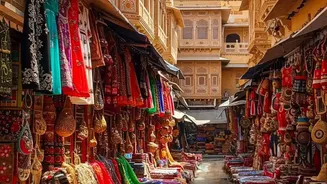
the goods themselves may be mass-produced and imported. In contrast, when you buy a hand-painted tile from a small family-owned shop, that money has a much longer life within the community. The shop owner might use it to buy groceries from the local market, pay a local artisan for new stock, and support other local services. This 'multiplier effect' means your single purchase helps sustain multiple livelihoods, strengthening the local economic fabric. It ensures that the financial benefits of tourism are distributed more evenly, empowering the community that hosts you.
The High Cost of Crowds
Overtourism happens when the sheer number of visitors overwhelms a destination, degrading the quality of life for residents and the experience for tourists. It leads to congested streets, strained public services like water and waste management, and a rise in housing costs that can push locals out. This phenomenon is often fuelled by a tourism model that concentrates visitors in a few famous hotspots, serviced by large-scale tour operators and international hotel chains. While these generate revenue, they also funnel thousands of people into the same few streets, temples, and beaches, creating immense pressure on both infrastructure and culture.
The Path to a Better Balance
Supporting small regional businesses is a natural and effective way to counteract overtourism. When you decide to eat at a neighbourhood thali joint instead of a global fast-food chain, you are already moving away from the crowded tourist centre. Choosing a family-run guesthouse or a boutique homestay over a massive resort helps disperse visitors across a wider area, reducing pressure on any single point. This simple shift in spending encourages a more sustainable model of tourism. It tells the travel industry that tourists are interested in more than just the handful of sites they see on social media, creating incentives for destinations to promote their lesser-known, but equally wonderful, attractions.
More Than a Transaction, An Experience
The benefits aren't just economic or social; they make your own travel experience richer and more authentic. The owner of a small shop often has a story to tell about their craft. The chef at a local eatery can share the history of a regional dish. These interactions create genuine human connections that are impossible to find in a standardized, commercial environment. Instead of a mass-produced trinket, you go home with a unique piece of art and the memory of the person who made it. Your trip transforms from a passive viewing of sights into an active participation in the life of the place you are visiting.
How to Be a Local-Minded Traveller
Making this shift is easier than you think. Before your trip, do a little research to find local markets, artisan collectives, or neighbourhood restaurants. When you arrive, ask your guesthouse owner or a local guide for their personal recommendations. Be curious and willing to wander off the main tourist drag. Instead of a generic souvenir, look for items that are specific to the region's culture and craftsmanship. Choose a walking tour run by a local expert or take a cooking class. Every one of these small decisions adds up, turning your travel spending into a powerful force for good.