




The New Digital Dastarkhwan
Forget the dining table; the new frontier for Indian food conversations is the humble group chat. Platforms like WhatsApp have evolved into bustling digital community halls where family, friends, and colleagues, scattered across states and even continents,
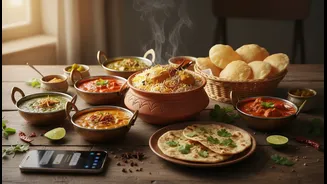
congregate to share their latest culinary find. What begins with a simple photo of a meal can quickly escalate into a full-blown discussion. A picture of a home-cooked Sunday lunch in Kerala prompts a friend in Delhi to share their Chole Bhature feast. Suddenly, the chat is a vibrant, virtual potluck of images, recipes, and memories. This phenomenon of 'digital commensality'—the experience of eating together while physically apart—is reshaping our connection to food, making it more immediate and interactive than ever before. These groups are more than just a place to exchange pleasantries; they are becoming the modern dastarkhwan, a shared space where food is the main event.
From Biryani Battles to Regional Revelations
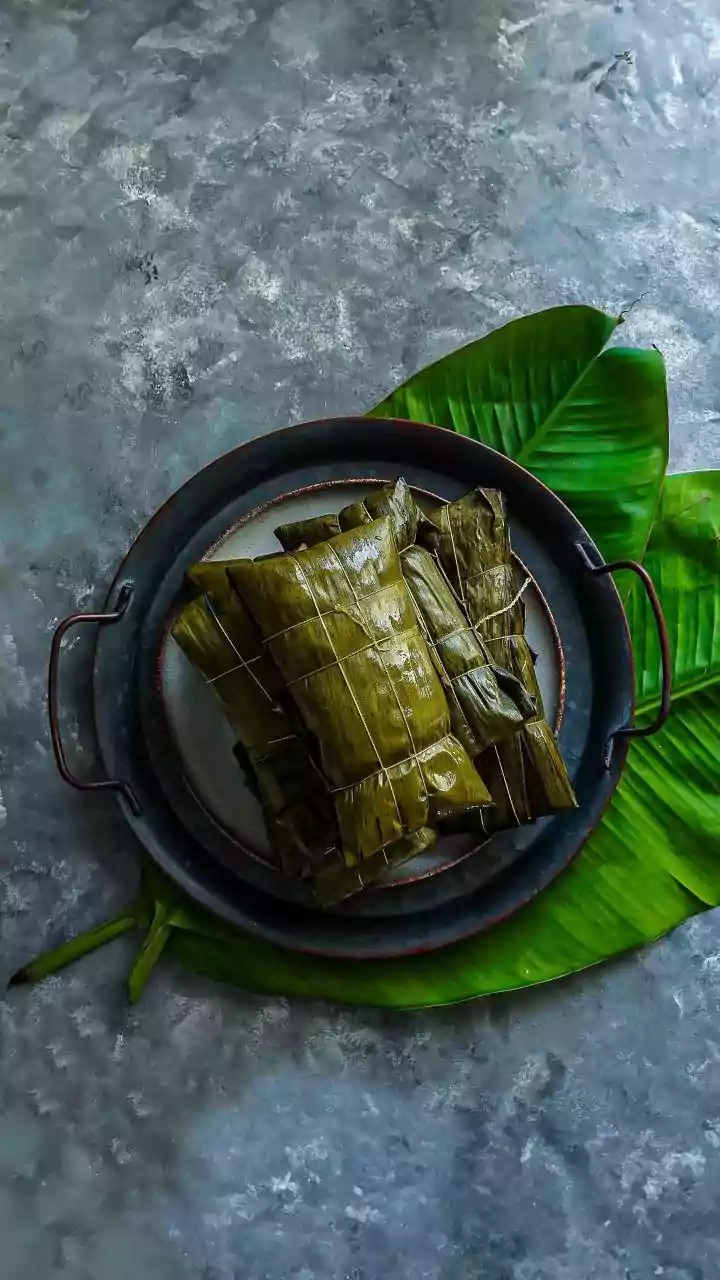
The cross-state food conversation often revolves around passionate, long-standing debates. The most infamous is the biryani battle: is it Hyderabadi, Lucknowi, or Kolkata-style that reigns supreme? Such discussions, once confined to college canteens and office pantries, now rage eternally in group chats with participants defending their regional champions with patriotic fervour. A viral tweet or a controversial take can ignite a nationwide debate that spills into private chats for days. But beyond these well-trodden food wars, group chats are also becoming powerful engines of discovery. A member from coastal Karnataka might introduce their friends in Punjab to the delights of Neer Dosa, a dish they've never encountered. Someone might share a video of a Himachali specialty like Siddu, sparking curiosity and a flurry of questions about its preparation. This digital word-of-mouth is helping lesser-known regional dishes find a national audience, moving beyond the stereotypical butter chicken and masala dosa that often dominate the perception of Indian food.
A Spoonful of Nostalgia
For the millions of Indians living away from their hometowns, these food chats serve a deeper, more emotional purpose: a cure for homesickness. A photo of a street vendor expertly flipping a dosa, a video of monsoon pakoras, or the mention of a specific pickle can instantly transport someone back to their childhood. This shared nostalgia is a powerful bonding agent. For the Indian diaspora, it's a way to stay connected to their roots and introduce their culture to the next generation, one food story at a time. A Reddit thread asking where to find authentic Dasheri mangoes in the Bay Area, complete with mentions of joining 'sketchy WhatsApp groups' to source them, perfectly captures this craving for a taste of home. Food becomes a language of love and memory, a way of saying "I miss home" without having to type the words.
More Than Just Food
While the pictures are delicious and the debates are fun, these conversations are fundamentally about identity. Defending your state's signature dish is a playful assertion of regional pride. Sharing a forgotten family recipe is an act of preserving heritage. As chefs like Vikas Khanna have noted, food is no longer just about consumption; it's about identity, memory, and connection. The discussions in these groups prove him right. They challenge the monolithic idea of 'Indian food', showcasing it instead as a complex and diverse tapestry of countless local traditions. Each shared dish is a story about geography, community, and family history. This exchange fosters a new kind of cultural fluency, where a person in Mumbai can appreciate the nuances of a Bengali fish curry, and someone in Kolkata can learn about the ingredients in a Rajasthani laal maas.