


The Tradition of Diwali 'Faral'
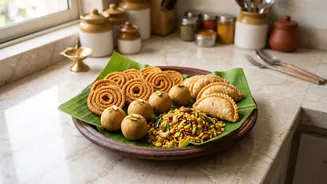
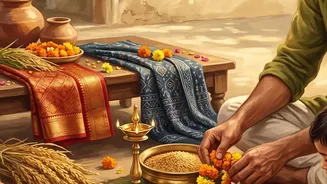
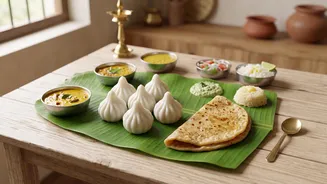
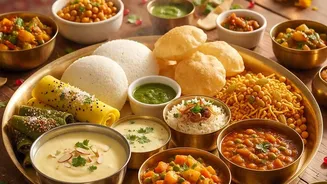
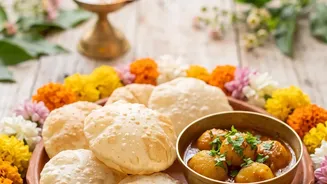
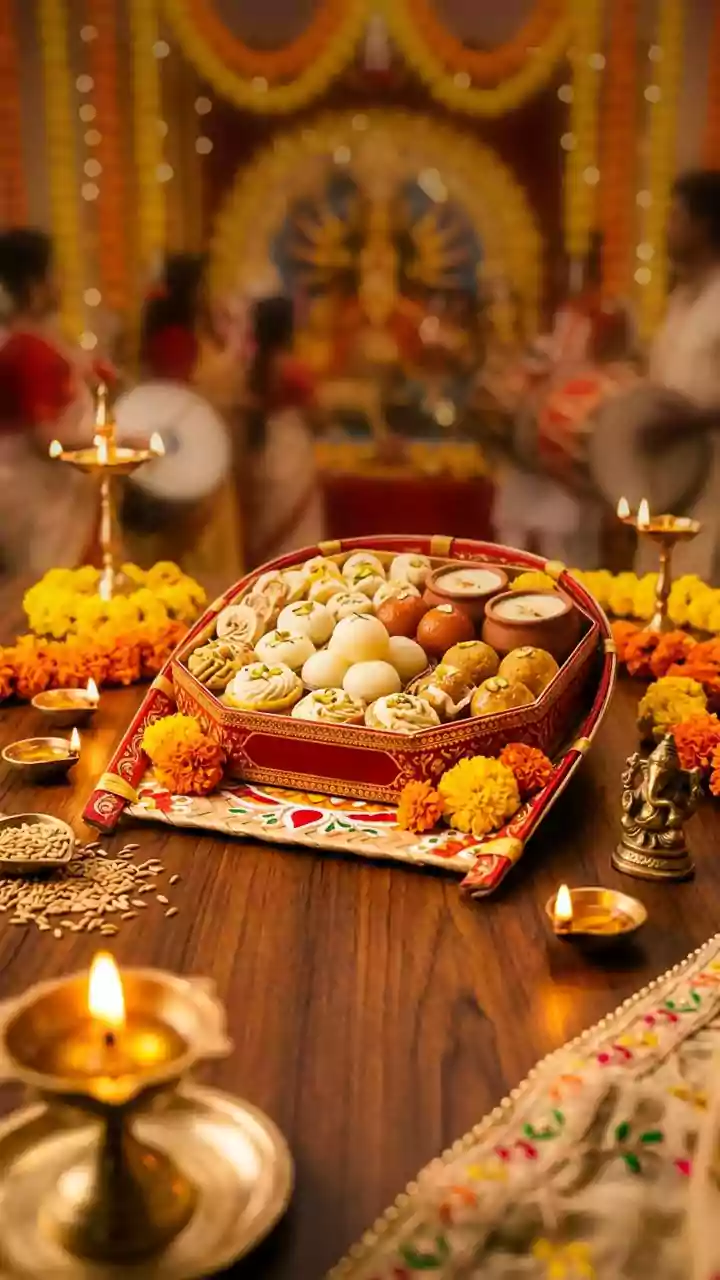
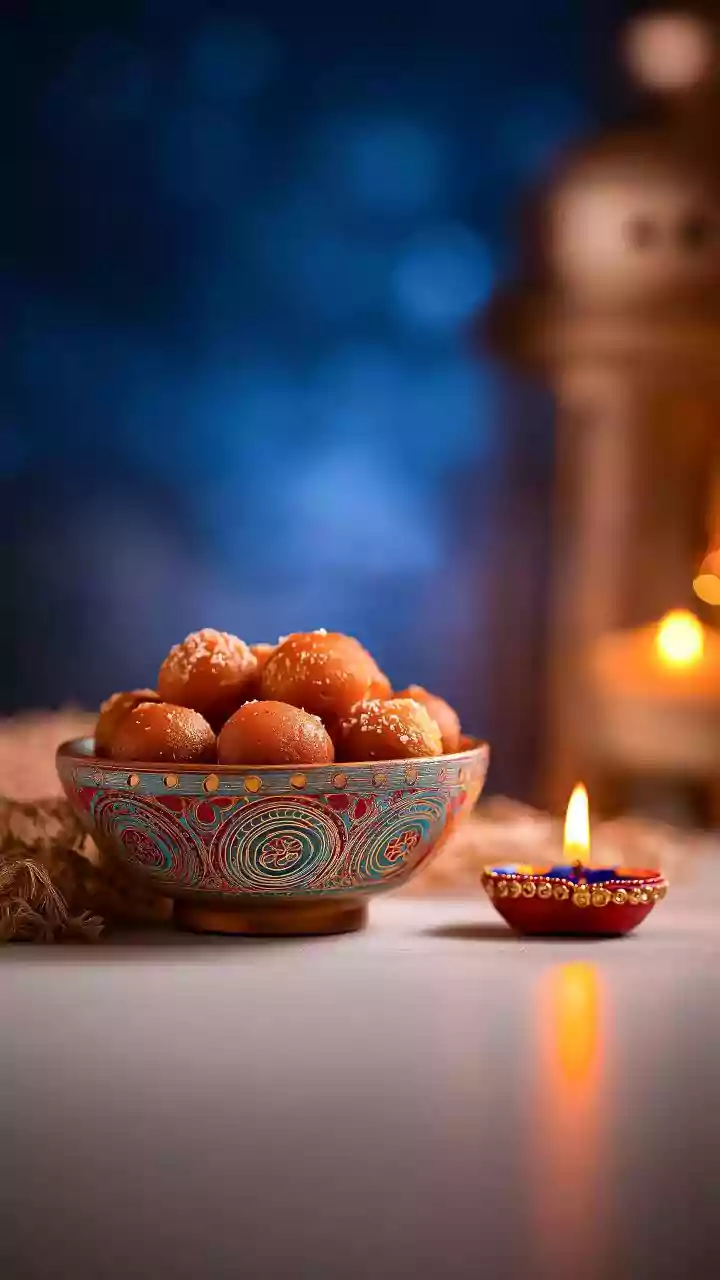
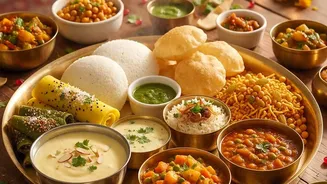
In Maharashtra, Diwali is incomplete without 'faral', a platter of sweet and savoury snacks prepared for the festival. This is not just a collection of dishes but a cherished ritual where families prepare items in large batches to share with guests throughout
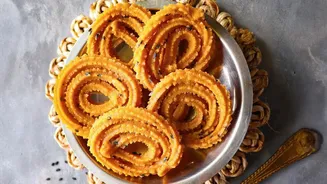
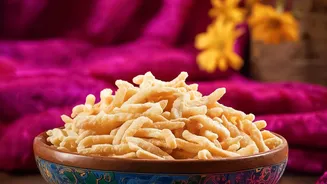
the festive season. The spread typically includes savoury delights like Chakli, a crunchy, spiral-shaped snack made from spiced rice and lentil flour, and Poha Chivda, a spiced mixture of flattened rice, nuts, and curry leaves. On the sweet side, you'll find Karanji, a crescent-shaped pastry with a coconut and jaggery filling, and Shankarpali, crispy, diamond-shaped fried biscuits that can be either sweet or savoury. Various types of laddoos, especially those made from besan (gram flour) or rava (semolina), are also essential to the faral tradition.
A Pan-Indian Palate in Metro Cities
Bengaluru and Delhi are melting pots of cultures, with diverse populations from across the country. This migration has created an environment where people are not only open to but actively seek out new culinary experiences. Food enthusiasts in these cities are increasingly exploring regional Indian cuisines that go beyond the standard restaurant fare. The rising interest in regional food is a significant trend, as diners look for authenticity and a taste of home, even if it's not their own. This curiosity has paved the way for once-regional specialities, like Bihar's Litti Chokha and Karnataka's own varied cuisines, to find a broader audience in major urban centres. Maharashtrian faral fits perfectly into this trend, offering a unique combination of textures and flavours that appeals to a modern, adventurous palate.
The Rise of the Home Chef
A key driver behind this trend is the emergence of home chefs as significant players in the urban food scene. Empowered by social media and online delivery platforms, these culinary entrepreneurs are bringing authentic, homemade regional dishes to a wider market. During Diwali, many Maharashtrian home chefs based in Delhi and Bengaluru start taking orders for traditional, freshly made faral. This provides a convenient way for people to enjoy these specialities without having to make them from scratch, a process that can be laborious and time-consuming. These home chefs are not just selling food; they are sharing a piece of their culture and heritage, and consumers are responding enthusiastically to the authenticity and love baked into every bite. This movement allows for the preservation of culinary traditions while making them accessible to a new generation of food lovers.
A Quest for Authenticity and Nostalgia
For the large Maharashtrian diaspora living in cities like Bengaluru and Delhi, Diwali faral is a powerful taste of nostalgia. It connects them to their roots and childhood memories of the festival. Sharing these snacks with their non-Maharashtrian friends and colleagues has created a ripple effect, introducing more people to these festive treats. Moreover, there is a growing appreciation for homemade festive snacks over mass-produced sweets. Many consumers perceive homemade items as healthier and more trustworthy, made with better quality ingredients and without the preservatives often found in commercial products. While faral includes many fried items, the use of traditional flours and spices, and the very essence of it being a 'homemade' tradition, adds to its appeal for those looking for an authentic festive indulgence.