



The Soul of the Andhra Meal
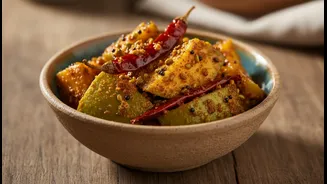
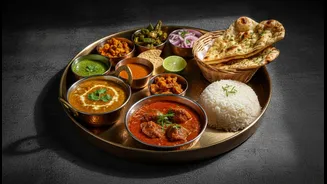
In Andhra Pradesh, pickles, or ‘pachadi’, are the undisputed kings of the dining table. They are a vibrant, essential part of the culinary identity, transforming a simple meal of rice and ghee into a multi-sensory experience. A dollop of fiery Avakaya
(raw mango pickle) or tangy Gongura (sorrel leaves pickle) is not just a side dish; it’s a conversation starter, a comfort food, and a testament to the region's love for bold, unforgettable flavours. The tradition of pickle-making, known as ‘uragaya’, is a sacred ritual in many households. It’s an art passed down from grandmothers to grandchildren, a collection of secret recipes and techniques that capture the essence of the sun, soil, and spices of the land. These pickles are stories preserved in oil, each jar holding memories of summer holidays, family gatherings, and the comforting taste of home.
What Makes Guntur's Pickle Unique?
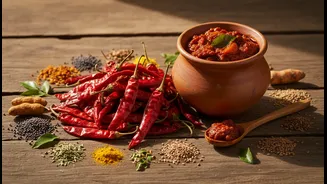
While pickles are made across India, Guntur's creations hold a special, almost mythical status. The secret lies in its star ingredient: the Guntur Sannam chilli. This isn’t just any chilli; it’s a Geographical Indication (GI) tagged variety, celebrated for its unique combination of searing heat and brilliant red colour. Grown in the fertile lands of the Guntur district, which is home to Asia’s largest chilli market, this potent spice forms the backbone of the region's most famous pickles. The local climate and traditional sun-drying methods further concentrate its flavour, giving Guntur pickles their signature punch. It’s this specific chilli, combined with generations of expertise, that elevates a simple pickle into a world-renowned product sought after for its unmistakable taste and quality.
A Legacy Preserved by Hand
Traditionally, the pickle industry in Guntur has been a fragmented one, driven by countless small-scale producers and home-based entrepreneurs. For generations, it has been women who have been the custodians of this culinary heritage, meticulously preparing pickles in their homes and selling them in local markets. This artisanal approach ensures authenticity and an unmatched, homemade taste that no factory can replicate. However, it also presents challenges in terms of scaling up, standardisation, and reaching wider markets. The very thing that makes the pickle special — its small-scale, traditional roots — also made its future uncertain in a rapidly modernising world. How could this beloved tradition be preserved while also ensuring it thrives economically?
A New Chapter for a Fiery Favourite
This is where the story takes a turn. The headline 'back on the menu' isn't about recovering from a shortage, but about a grand revival. Under the central government's 'One District - One Product' programme, Guntur has been officially chosen to become a dedicated 'pickles hub'. This initiative involves setting up modern, consolidated processing units in several locations within the district, with land already being allocated for the purpose. The plan is not to replace the traditional methods but to support and scale them. The project aims to provide training, infrastructure, and a formal platform for the thousands of people, especially women, who depend on the chilli and pickle industry for their livelihood. It’s a move designed to take Guntur's liquid fire from local kitchens to a national and global stage, in a more organised and powerful way than ever before.
A Taste of the Future
The establishment of a formal pickles hub is a game-changer. For consumers, it promises better access to authentic, high-quality Guntur pickles, with the assurance of hygiene and standardised quality control that can guard against adulterated products. For the local community, it represents a massive economic boost, creating stable employment and empowering the very women who have preserved this tradition for centuries. By organising the sector, the government aims to strengthen the entire supply chain, from the chilli farmers to the final packaging. This ensures that the legacy of Avakaya, Gongura, and other iconic Andhra pickles is not just preserved but is given a platform to flourish, securing its future for generations to come. The Guntur pickle isn't just back on the menu; it's getting ready to be the main course.