






A Major Boost in Speed and Power
The most significant change in the new IRCTC platform is a massive upgrade to its core infrastructure. The system is being scaled up to handle a much higher volume of users, a direct response to the infamous crashes and slowdowns during peak hours, especially
the Tatkal window. The new system is built to process over 1.5 lakh ticket bookings per minute, a nearly five-fold increase from the previous capacity of about 32,000. In parallel, the backend Passenger Reservation System (PRS) will be able to handle over 40 lakh enquiries per minute, up from just 4 lakh. For the average user, this translates into a more stable and responsive website, significantly reducing the chances of getting timed out or facing a frozen screen at the crucial payment stage.
A Simpler, Clutter-Free Interface
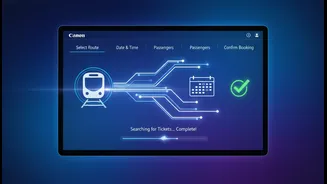
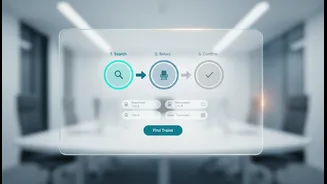
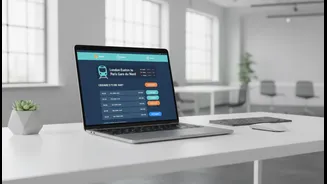
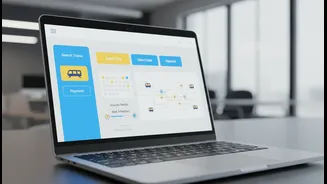
One of the most welcome changes is a complete redesign of the user interface, aimed at reducing clutter and confusion. The new layout is cleaner, removing distracting flashing graphics and unnecessary pop-ups that often interrupted the booking process. The entire booking flow has been streamlined to reduce the number of clicks needed to find a train and confirm a ticket. This was a key piece of feedback, prompted in part by students who highlighted the platform's usability issues to the Railway Minister. The changes also include the welcome reduction of CAPTCHA verifications, which frequently caused delays and frustration. The goal is a smoother journey from search to payment, making the process feel less like an obstacle course.
New Features for Smarter Booking
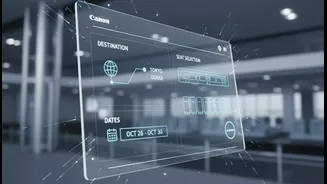
Beyond the speed and design overhaul, the new website introduces several smart features to give passengers more control and information. A new fare calendar will allow users to easily compare ticket prices across different dates, helping those with flexible travel plans find the most economical option. Another major time-saver is the unified seat availability view. Instead of having to check for seats in Sleeper, AC 3 Tier, and other classes one by one, the new site will display availability across all classes on a single screen. Furthermore, passengers will now be able to submit their preferred seat and berth choices during the booking process, adding a much-requested layer of customization.
Making the Platform More Inclusive
The digital refresh also includes important steps to make the platform more accessible to a wider range of users across India. The website will now support multiple Indian languages, moving beyond a primarily English and Hindi interface to cater to the country's diverse population. This is a crucial step in making digital railway services genuinely accessible to everyone. In another significant move towards integration, the new platform will consolidate services for Divyangjan, students, and patients. This will streamline the process for booking tickets with concessions, bringing these previously separate processes onto a single, unified platform.