


A World Rejuvenated
Most of India's premier national parks, particularly the tiger reserves, remain closed to the public from July to September. This annual closure is crucial for both safety and ecological reasons. The intense monsoon rains make forest tracks impassable
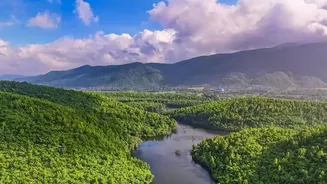
and dangerous. More importantly, this quiet period allows the forest ecosystem to regenerate without human interference. It is a vital breeding season for many species and a time for nature to heal. When the gates reopen, typically from early October to mid-November depending on the park, visitors are greeted by a world reborn. The dust has settled, water bodies are full, and the entire landscape is draped in a lush, emerald cloak.
The Photographer's Verdant Canvas
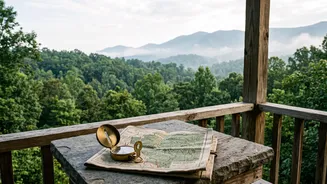
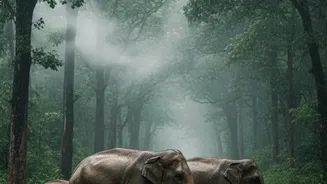
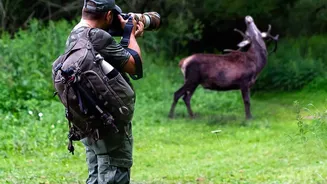
For photographers, the aesthetic difference between the pre-summer heat and the post-monsoon freshness is stark. November offers a unique canvas that is difficult to find at other times of the year. The vibrant green foliage provides a stunning, high-contrast background that makes subjects pop. The air is crisp and clear after the rains, leading to better light quality. The 'golden hours' of early morning and late afternoon are softer and last longer, casting a beautiful, warm glow on the landscape. Early morning mist often hangs in the valleys and over water bodies, adding an atmospheric and moody element to photographs that is absent during the dry, hot months. This combination of lush scenery and beautiful light makes it an ideal time to capture not just animal portraits, but also evocative images of the habitat itself.
Animal Activity and Sightings
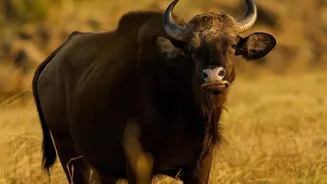
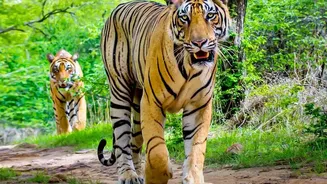
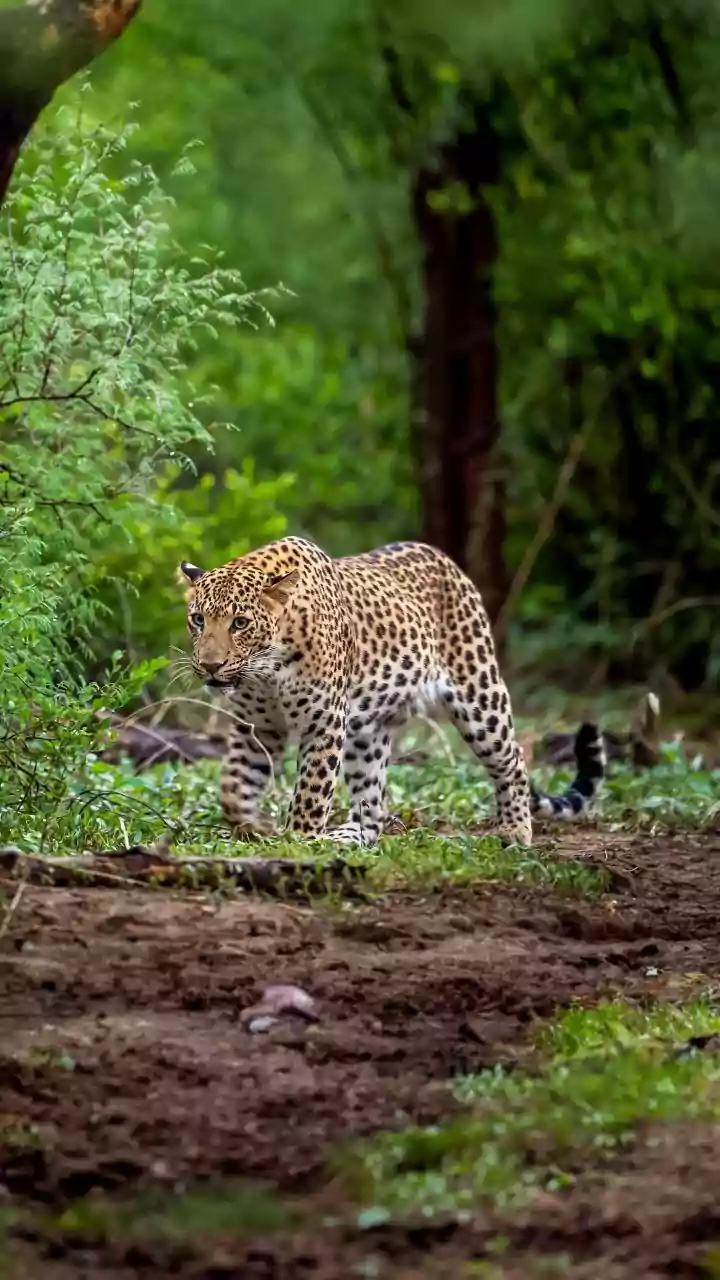
While the dense vegetation of the post-monsoon period can sometimes make spotting animals more challenging than in the sparse summer forests, the behaviour of the wildlife offers unique rewards. With abundant food and water, animals are generally more active and healthy. Herbivores like deer and gaur are often seen grazing in open meadows. For birdwatchers, November is a peak month, as many migratory species begin to arrive for the winter, adding to the resident avian population. Tiger sightings are still very possible, and capturing a shot of the big cat against a vibrant green backdrop is a prized photograph. The replenished waterholes mean animals are more dispersed than in the peak of summer, but guides often know the territories and can track their movements effectively. The overall health and vibrancy of the animals makes for compelling photography.
Prime Parks for a November Safari
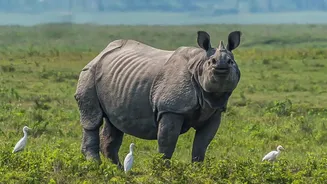
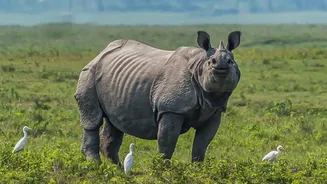
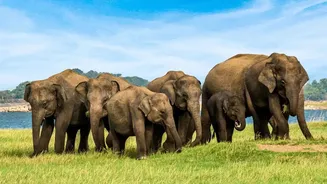
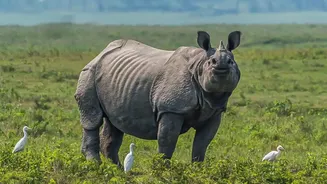
Several parks across India offer fantastic experiences in November. Jim Corbett National Park in Uttarakhand, with its varied terrain of hills, rivers, and grasslands, is particularly beautiful after the monsoon. Key zones like Dhikala and Bijrani typically reopen between mid-October and mid-November, offering stunning landscapes alongside wildlife. Ranthambore in Rajasthan, famous for its tigers, provides a dramatic setting with its ancient fort and lakes, all flourishing in green. In Central India, parks like Kanha and Bandhavgarh in Madhya Pradesh also reopen in October, presenting a lush, dense forest experience. In the northeast, Kaziranga National Park in Assam usually reopens in November and is exceptional for photographing rhinos and elephants in its vast, wet grasslands.
Tips for the Post-Monsoon Photographer
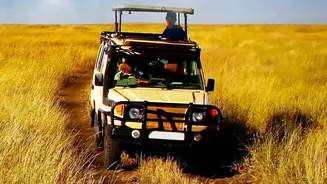
A successful photography trip in November requires some specific preparation. The light can change quickly, so be prepared to adjust your camera settings frequently. A versatile zoom lens is invaluable for framing animals within their green environment. Due to potentially lower light in the dense forest, a lens with a wider aperture can be a major advantage. It's also wise to pack layers of clothing; mornings and evenings can be quite cool, especially on an open safari vehicle, while afternoons can be pleasantly warm. Most importantly, book your safaris well in advance. As November is a popular shoulder season for tourists, permits for the core zones of top parks can get booked up quickly.