


From Fiery Ancestors to Sweet Staple
Despite their name and family tree, bell peppers are the mild-mannered cousins in the spicy world of chillies. They belong to the Capsicum annuum species, which includes potent varieties like jalapeños and cayenne peppers. However, due to a recessive
gene, bell peppers do not produce capsaicin, the chemical compound responsible for the fiery heat in other peppers. Botanically classified as a fruit, they are treated as a vegetable in the culinary world. Their journey from Central and South America to global pantry staple is a testament to their versatility, offering crunch, colour, and sweetness without the burn.
A Rainbow of Ripeness and Nutrition
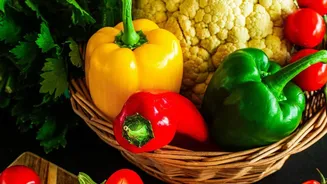
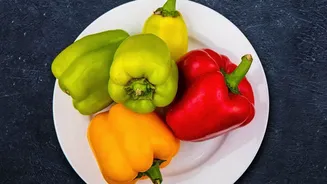
The spectrum of bell pepper colours isn't just for visual appeal; it's a guide to flavour and nutrition. Green bell peppers are harvested the earliest, making them the most bitter and 'green' in taste. As they ripen on the vine, they turn yellow, then orange, and finally a deep red. With each stage, their flavour sweetens and their nutritional content skyrockets. Red bell peppers, being the most mature, contain significantly more vitamin C and beta-carotene (which the body converts to vitamin A) than their green counterparts. While green peppers offer a pleasant, grassy crunch perfect for some dishes, the sweeter red and orange varieties often work better to balance the savoury sauces in a stir-fry.
The Science of a Perfect Stir-Fry
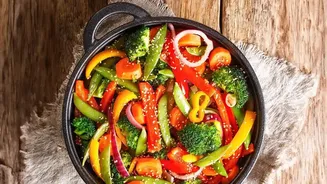
The key to a great stir-fry is texture, and this is where many home cooks falter with bell peppers, ending up with a mushy mess. To achieve that perfect crisp-tender bite, preparation and timing are everything. First, cut the peppers into uniform pieces, whether strips or squares, to ensure they cook evenly. A wok or large pan should be heated until it's very hot before adding your oil. Bell peppers should be added midway through the cooking process. If you add them too early, they will steam and soften; too late, and they will be raw. A good rule of thumb is to cook heartier vegetables like broccoli or carrots first, then add the peppers for the final two to three minutes of cooking, tossing them constantly over high heat.
Pairing Peppers in a Plant-Based Pan
In a vegetarian stir-fry, bell peppers act as a foundational flavour bridge. Their mild sweetness pairs beautifully with a wide range of ingredients. For protein, they work wonderfully with baked tofu, tempeh, or edamame, absorbing the flavours of the marinade while providing a contrasting texture. They complement other common stir-fry vegetables like broccoli, snap peas, mushrooms, and onions. The colour contrast they provide makes the final dish more appealing. When it comes to sauces, the sweetness of red or yellow peppers can balance the saltiness of soy sauce, the tang of rice vinegar, and the gentle heat from ginger and garlic, creating a harmonious and satisfying meal.
How to Choose and Store for Freshness
Your stir-fry is only as good as your ingredients. When selecting bell peppers, look for those with firm, glossy skin that feels heavy for their size. Avoid any with soft spots, wrinkles, or blemishes, as these are signs of age and decay. Proper storage is simple but crucial. Keep unwashed bell peppers in the crisper drawer of your refrigerator. They should last for about one to two weeks, though red and yellow peppers, being riper, may have a slightly shorter shelf life than green ones. Avoid washing them until just before you are ready to cut and cook, as excess moisture can accelerate spoilage.