



Why the Extra Caution?
The magic of the monsoon is in its moisture, but that's also where the trouble begins. High humidity, often climbing above 70-80%, is the ideal condition for harmful microorganisms like bacteria, viruses, and mould to multiply rapidly. Food that might
stay fresh for days in other seasons can spoil in a matter of hours. This is because the moisture in the air helps pathogens like Salmonella and E. coli thrive on surfaces, in produce, and in cooked food left at room temperature. Furthermore, heavy rains can lead to flooding, which may contaminate public water supplies with sewage and other pollutants, increasing the risk of waterborne diseases like typhoid, cholera, and gastroenteritis. Your digestive system may also become more sensitive during this season, making you more susceptible to infections.
Master Your Produce and Groceries
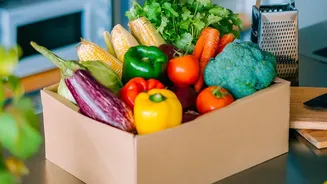
Your first line of defence starts at the market. Be extra selective about fresh produce. Leafy greens like spinach and cabbage, which grow close to damp soil, can harbour dirt and microbes in their folds. It is crucial to wash these vegetables thoroughly, preferably with salt water or a vinegar solution, and cook them well instead of eating them raw in salads. Some experts even suggest avoiding or reducing their intake during peak monsoon. It’s also wise to avoid pre-cut fruits and vegetables, as exposed surfaces can get contaminated quickly in the damp air. When buying groceries, opt for smaller quantities more frequently. This prevents the spoilage that can occur when items are stored for too long in a humid pantry.
The Water Rule: Purify Everything
Assume all water is a potential risk during the monsoon. Contamination of water sources is a major cause of illness during this season. Ensure the water you use for drinking, cooking, and washing vegetables is safe. Boiling water for at least one minute is a reliable method to kill most pathogens. If you use a water purifier, ensure it is serviced and functioning correctly. When washing fruits and vegetables, use clean, potable water. A final rinse with purified water after washing can provide an extra layer of safety. Steer clear of street-side juices, chaat, and golgappas, as the water and ice used are often from unsafe sources.
Rethink Your Kitchen Storage
Humidity is the enemy of a dry pantry. Store staples like flour, rice, pulses, and spices in airtight containers to protect them from moisture, which can lead to mould and spoilage. Perishable items such as meat, dairy, and leftovers must be refrigerated promptly. During the monsoon, it's also important to separate raw meat and eggs from other foods in the refrigerator to prevent cross-contamination. Power cuts are common during storms, so try to keep your refrigerator door closed as much as possible to maintain the cold temperature. Regularly clean your fridge, as spills and food particles in a damp, enclosed space can become a breeding ground for germs.
Cook Smart, Eat Fresh
The safest meal during the monsoon is one that is freshly prepared and served hot. High cooking temperatures kill most harmful bacteria. Avoid eating raw foods like salads unless you've prepared them at home with thoroughly washed ingredients. It is best to steam or lightly cook vegetables instead. Reheat leftovers thoroughly until they are steaming hot before consumption. This is also not the best time to indulge in fried street food. Besides the hygiene concerns, heavy, oily foods can be harder to digest when your metabolism is naturally slower in the humid weather, leading to bloating and acidity. Opt for lighter, home-cooked meals like soups, khichdi, and steamed dishes.