








What Are Functional Drinks, Anyway?
At its core, a functional beverage is a non-alcoholic drink designed to offer health benefits beyond simple hydration. Unlike a standard juice or soda, these drinks are formulated with specific bioactive ingredients like vitamins, minerals, herbs, or probiotics
to support a particular bodily function. The category is vast, including everything from kombuchas for gut health and electrolyte powders for hydration, to drinks infused with botanicals meant to reduce stress or sharpen mental focus. India has a long history of its own functional drinks, such as Haldi Doodh and Kadha, but the modern market has repackaged this concept into convenient, ready-to-drink formats. This trend is driven by a growing consumer interest in preventative health and the idea of “food as medicine.”
Decoding the Wellness Buzzwords
The labels of these drinks are often a glossary of wellness trends. Let's break down the most common terms. 'Adaptogens' are herbs and mushrooms like ashwagandha and rhodiola that are claimed to help the body manage stress. 'Nootropics', sometimes called “smart drugs,” are ingredients like L-theanine (an amino acid from tea) and Lion's Mane mushroom, purported to boost cognitive functions like memory and focus. Then you have 'Probiotics' and 'Prebiotics'. Probiotics are live beneficial bacteria found in fermented drinks like kombucha, intended to support gut health, while prebiotics are fibres that feed these good bacteria. While many of these ingredients have been used in traditional medicine for centuries, the scientific evidence for their effectiveness in the forms and dosages found in these drinks can be mixed.
The Science vs. The Marketing
Here's the crucial question: do these drinks actually work? The answer is complicated. While some ingredients, like the caffeine and L-theanine combination for calm alertness, have credible research behind them, many claims are built on less solid ground. A significant issue is dosage. Studies may show a health benefit for a specific ingredient at a certain amount, but the beverage on the shelf might contain a much smaller, potentially ineffective, dose. For example, a drink might claim gut health benefits but contain a fraction of the probiotic count considered effective. Food Safety and Standards Authority of India (FSSAI) has strict regulations about health claims, but the term “functional” itself isn't a regulated medical one. This leaves a grey area where brands can imply benefits without making direct, provable health claims, leaving consumers to connect the dots.
Your Guide to Reading the Label
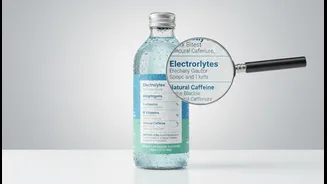
To be an informed consumer, you need to become a label detective. First, check the added sugar content. Many wellness drinks are packed with hidden sugars under names like cane juice, agave nectar, or maltodextrin, which can counteract any potential health benefits. Second, look at the ingredient list. Ingredients are listed by weight, so if the star 'functional' ingredient is near the end of a long list, you're likely not getting much of it. Be wary of “proprietary blends,” which group ingredients together without specifying the amount of each. FSSAI requires labels to be accurate, so check for certifications and whether the claims are specific (e.g., “High in Vitamin C”) versus vague (e.g., “immunity blend”). Finally, check the caffeine content in energy or focus drinks, as some can contain excessive amounts.