








A New Digital Guide for the Sunrise State
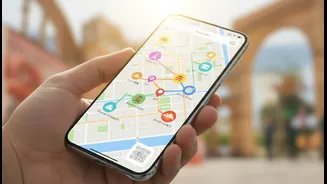
Andhra Pradesh is stepping into the future of tourism with the launch of a sophisticated new travel assistant powered by artificial intelligence. Developed by the Andhra Pradesh Tourism Authority, this platform aims to dissolve the communication hurdles
that often stand between a tourist and an authentic travel experience. More than just a gadget, it represents a significant investment in smart tourism, designed to serve a growing number of domestic and international visitors. The goal is to create an end-to-end digital companion that not only guides travelers but also helps them connect with the state's rich cultural tapestry on a deeper level. This initiative is part of a broader strategy to position Andhra Pradesh as a forward-thinking and exceptionally welcoming destination for travelers from all corners of the globe.
Breaking the Language Barrier in Real Time
At the heart of this new AI is its powerful multilingual voice translation feature. The system is engineered to handle conversations in real time, allowing a traveler to speak in their native language and have it instantly translated for a local shopkeeper, guide, or hotelier. The platform reportedly supports over a dozen languages, including English, Hindi, and Telugu, alongside several other Indian regional languages and major international ones like French, Spanish, and Japanese. This functionality is crucial for facilitating smoother interactions in everyday situations, from haggling for a Kondapalli toy to asking for directions in the winding roads of the Araku Valley. Crucially, the AI has been trained on a diverse range of accents to ensure high accuracy, making it a practical tool for the varied linguistic landscape of India and beyond.
Beyond Words: Understanding Local Context
What truly sets this AI apart is its ability to provide local context, moving beyond literal translation to offer genuine cultural understanding. This 'Context Engine' is what makes the tool more of a cultural interpreter than a simple dictionary. For instance, when a user is near a temple, the AI can provide insights into specific rituals, the significance of the architecture, or the expected etiquette and dress code. If a traveler is exploring the culinary scene, it can explain the history behind a dish like 'pootharekulu' or suggest local-approved eateries that aren't on the typical tourist map. This feature helps visitors avoid common cultural missteps and enriches their journey by explaining the 'why' behind the 'what', fostering a more respectful and meaningful interaction with the local heritage and people.
An Indispensable Tool for Every Traveler
The platform has been thoughtfully designed to cater to a wide spectrum of visitors. For international tourists, it serves as an essential bridge, helping them navigate a region where English may not be widely spoken outside major urban centers. It empowers them to explore more remote and authentic parts of the state with confidence. For domestic travelers from other parts of India, it breaks down regional language barriers, making a trip to Andhra Pradesh more seamless. Whether it’s a family from Punjab visiting the Tirumala Temple or a solo traveler from West Bengal exploring the Borra Caves, the AI provides the necessary linguistic and cultural support to make the experience feel less foreign and more connected. It even offers features like offline functionality for core translation, recognizing that network connectivity can be a challenge in rural and remote tourist spots.
Pioneering the Future of Smart Tourism
Andhra Pradesh's investment in this multilingual AI is more than just a convenience for tourists; it's a strategic move to redefine its tourism landscape. By making the state more accessible and easier to navigate, authorities hope to attract a higher volume of visitors and encourage them to stay longer and explore more widely. This can lead to significant economic benefits, particularly for local artisans, small business owners, and rural communities that are now more discoverable. Furthermore, this initiative sets a new benchmark for other states in India. It demonstrates how technology can be leveraged not just for promotion, but to fundamentally enhance the on-ground travel experience, preserving cultural authenticity while embracing modern innovation. This blend of heritage and technology could very well be the blueprint for the future of Indian tourism.