






The Monsoon Cleaning Challenge
During the rainy season, keeping a home clean and fresh becomes a daily battle. The constant dampness in the air means surfaces never seem to fully dry, leading to musty odours in cupboards and closets. This persistent moisture encourages the growth of
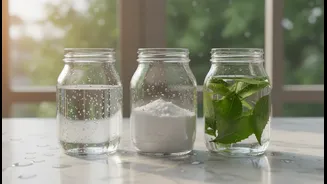
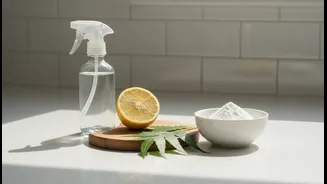
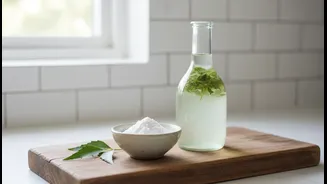
mould and mildew on walls, furniture, and even clothes. Furthermore, the monsoon is peak season for insects, which seek shelter indoors. While reaching for heavy-duty chemical cleaners is one option, many are turning to simpler, low-chemical alternatives like white vinegar, baking soda, and neem for everyday maintenance. These ingredients are affordable, readily available, and can be surprisingly effective—if you know how to use them correctly.
Vinegar: The Acidic Mould Fighter
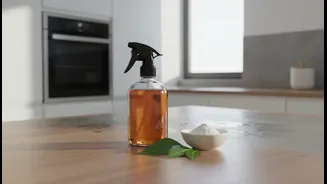
White vinegar is a powerhouse cleaner thanks to its acetic acid content. It's excellent for cutting through grease, removing soap scum, and cleaning glass. During the monsoon, its most valuable property is its ability to tackle mould and mildew. A solution of equal parts water and white vinegar can be sprayed on non-porous surfaces like ceramic tiles, plastic, and laminate to clean early signs of fungal growth. It also works as a natural deodoriser; adding a cup to the rinse cycle of your washing machine can help neutralise musty smells from damp clothes. The sharp smell of vinegar itself disappears once it dries.
Vinegar: Know Its Powerful Limits
Vinegar's acidity is also its biggest drawback. It should never be used on natural stone surfaces like marble, granite, or travertine, as it can etch and dull the finish. It can also damage the protective finish on hardwood floors and wood furniture, leaving them looking cloudy. While effective against many types of mould, it is not an EPA-registered disinfectant, meaning it doesn't reliably kill dangerous bacteria like Staph. For porous surfaces with deep mould growth, vinegar may not be enough. Constant use on rubber seals, like those in washing machines, can also cause them to degrade over time, so it's best used with caution.
Baking Soda: The Gentle Deodoriser and Scrubber
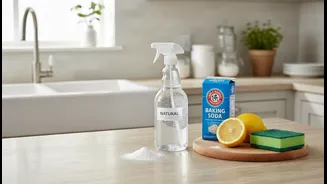
Baking soda (sodium bicarbonate) is a mild alkali that excels at absorbing odours and acting as a gentle abrasive. Its biggest monsoon benefit is fighting musty smells. Placing an open box or bowl of baking soda inside cupboards, wardrobes, or the refrigerator can absorb excess moisture and neutralise odours. For cleaning, a paste of baking soda and water can be used to scrub surfaces without scratching them. It's effective for cleaning sinks, and removing stubborn stains from countertops. When combined with a regular detergent, it can also help get rid of stubborn smells in laundry.
Baking Soda: Where It Falls Short
While baking soda is an excellent deodoriser, it is not a disinfectant. It doesn't kill germs, mould, or mildew on its own, though it can help physically remove them through scrubbing. Its main function is to neutralise acids and absorb smells, making it a passive cleaner rather than an active one. For serious mould issues or disinfecting surfaces after an illness, you will need a more powerful agent. Think of baking soda as a tool for maintenance and odour control, not for deep sanitation.
Neem: Nature’s Pest Defence
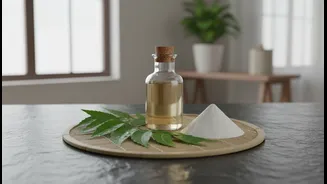
Neem is a cornerstone of traditional Indian households, and for good reason. During the monsoon, its most potent application is as a natural pest repellent. The active compounds in neem oil disrupt the life cycle of many common household pests like ants, cockroaches, and flies. You can add a few drops of neem oil to your floor cleaning water or use a diluted spray near windows and doorways to deter insects. Dried neem leaves can also be placed in cupboards and between clothes to protect them from insects and prevent musty smells.
Neem: More Repellent Than Cleaner
It's important to understand that neem's primary strength is as a pesticide and fungicide, not as a surface cleaner. While it helps keep pests and mould spores at bay, it won't cut through kitchen grease or scrub away grime. Its role in a monsoon cleaning routine is preventative—to make your home an unwelcome environment for pests that thrive in the damp weather. For cleaning visible dirt and stains, you'll need to use it in conjunction with other cleaning agents like soap, or stick to vinegar and baking soda for their respective strengths.