



Material World: It Starts with the Fibre
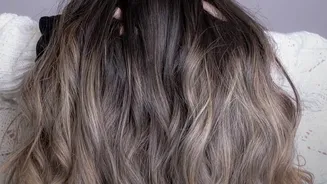
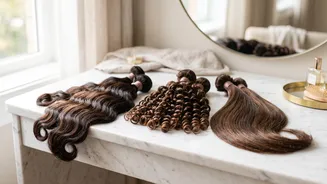
The fundamental difference between the two types of extensions lies in their origin. Human hair extensions are made from 100% real, donated human hair. The highest quality, known as Remy hair, ensures all the hair cuticles (the outer layer of each strand)
are intact and aligned in the same direction. This preserves the hair's natural texture and strength. In contrast, synthetic extensions are manufactured from artificial fibres like acrylic, nylon, or polyester. These plastic-based materials are processed to mimic the appearance of hair but lack its organic structure. This core difference is why they react to heat in dramatically different ways.
The Heat Styling Showdown
Because human hair extensions are made of real hair, they behave just like it. You can curl, straighten, and blow-dry them to match your natural hair's texture perfectly. When you style your hair and the extensions together, they respond to the heat in unison, creating a flawless, undetectable blend. Standard synthetic hair, on the other hand, cannot withstand high temperatures. The plastic fibres will frizz, warp, or even melt when a hot tool is applied, destroying the extension immediately. This makes styling them alongside your own hair a non-starter.
A Note on 'Heat-Friendly' Synthetics
Some synthetic extensions are marketed as 'heat-friendly' or 'heat-resistant'. While it's true they can tolerate low levels of heat—typically up to around 180°C, much lower than standard styling tools—they come with significant limitations. These fibres don't hold a new style as effectively as human hair, and repeated heat application can still cause them to degrade quickly. Furthermore, they often come pre-styled, and attempting to completely change that style (for example, from straight to curly) is not recommended as it can disrupt the fibres. The result is often less natural and provides far less styling freedom.
Achieving a Truly Seamless Blend
The magic of a great hair extension installation is that it's invisible. The ability to use heat is crucial for this. With human hair extensions, you can curl or straighten sections of your own hair along with the extension hair, ensuring the textures match perfectly. This 'texture matching' is the secret to a professional, natural-looking finish. Synthetic extensions, which cannot be styled in the same way, often have a noticeably different texture and shine from your natural hair, making the demarcation line between your hair and the extensions more obvious.
The Long-Term Investment
There's no denying the significant price difference upfront. Synthetic extensions are much cheaper. However, their lifespan is very short, often lasting only one to three months with regular wear before they become tangled and worn. Human hair extensions, while a bigger initial investment, can last for a year or even longer with proper care. When you consider the cost-per-wear and the vastly superior styling versatility, human hair often represents better long-term value for anyone who plans to wear extensions regularly and wants the freedom to change their look.
Smart Styling for All Extensions
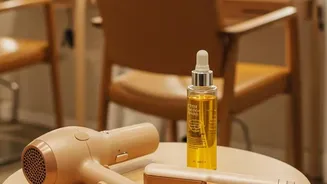
Regardless of which type you choose, proper care is essential. For human hair extensions, always use a heat protectant spray to create a barrier against damage. Stick to moderate temperature settings, generally between 120°C and 180°C, and never use heat on wet extensions. Working in small sections and keeping the tool moving will prevent overheating any single area. For heat-friendly synthetics, always use the lowest possible temperature setting and test a small, inconspicuous piece first to ensure it can withstand the heat without damage.