








A Welcome Break at the Burner
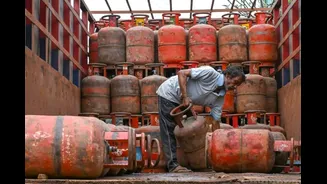
On July 1, 2026, oil marketing companies announced the first price cut of the year for 19-kg commercial LPG cylinders, slashing rates by up to ₹183.50. This was a much-needed respite for the hospitality sector, including restaurants, hotels, and caterers,
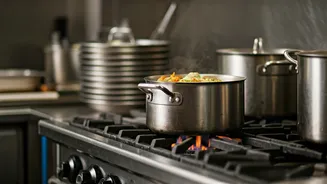
who had weathered a series of steep hikes totaling around ₹1,300 earlier in the year due to geopolitical tensions and supply chain disruptions. The reduction brings the price of a cylinder in Delhi down to ₹2,930 from over ₹3,100, providing direct relief to businesses where fuel is a significant operational expense. This move, attributed to easing global crude oil prices, is expected to help stabilise the finances of countless small and large food establishments that rely almost entirely on these cylinders to keep their stoves burning and doors open.
Why Your Samosa Isn't Cheaper
Despite this positive development, consumers shouldn't expect an immediate drop in the price of their favourite dishes. Restaurant owners across the country have been quick to point out that the LPG cut, while welcome, is just a drop in the ocean of their total expenses. Many argue that the reduction doesn't come close to offsetting the massive price increases they absorbed over the past several months. Hoteliers have stated they would need to see a more substantial, sustained decrease—potentially by another ₹600 or more—before they could even consider revising menu prices downward. For many, the recent cut is seen less as a reason to lower prices and more as a crucial buffer that might prevent further price hikes in the near future.
The Real Ingredients of a Menu Price
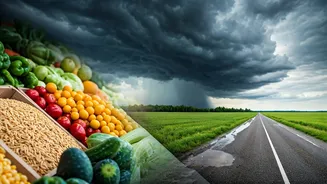
The price of a dish is a complex recipe of many ingredients, and LPG is just one of them. For most Indian restaurants, raw material or 'food cost' is the single biggest expense, accounting for 30-45% of total sales. This includes essentials like cooking oils, vegetables, grains, spices, and dairy. Overall food inflation in India has remained a concern, with the cost of food in May 2026 rising by 4.78% compared to the previous year. Beyond ingredients, restaurants are battling a host of other rising operational costs. These include staff salaries, which can form up to 30% of revenue, high commercial rents, electricity bills, and the commissions charged by food delivery aggregators, which can erode margins by 4-8%. When all these factors are simmering together, a modest drop in one input cost is rarely enough to change the final bill.
Voices from the Kitchen
Across India, from small dhabas to large casual dining chains, the sentiment is similar. A restaurant owner in Mumbai noted that the reduction would hardly make a difference for mid-level establishments, who bore significant losses during the price spike. The uncertainty of the market is a major factor; with no guarantee that prices won't rise again, businesses are hesitant to make pricing changes that could be difficult to reverse. Many operators had already been forced to innovate to survive the high-cost environment, with some shifting to induction cooking for certain tasks or even altering menus to remove gas-intensive dishes. For them, the priority is to regain financial stability rather than immediately pass on the limited savings. The focus remains on cost control and protecting already thin profit margins, which for many casual dining spots hover between just 8-12%.
What This Means for the Consumer
For the average customer, the unchanged menu prices can be frustrating, especially when news of cost reductions makes headlines. However, the reality of running a food business is a delicate balancing act. While a rollback on your bill is unlikely for now, the LPG price cut is still a small win. It eases the immense pressure on the hospitality industry, which in turn helps keep local eateries in business and preserves jobs. The stability it offers may prevent the 10-15% menu price hikes that many analysts predicted were becoming unavoidable if costs continued to spiral. So, while the price of your meal may not fall, this relief in the kitchen helps ensure that your favourite restaurant is more likely to still be around to serve it to you tomorrow.