







The Post-Monsoon 'Second Summer'
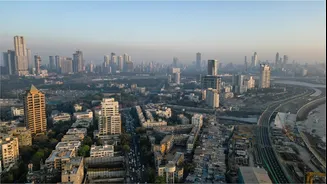
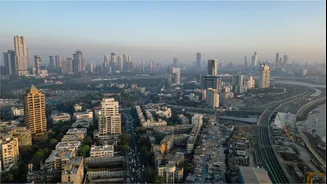
Just as the city breathes a collective sigh of relief from the relentless monsoon, a different kind of oppressive weather takes over. October in Mumbai often feels like a return to peak summer, but with a suffocating dampness in the air. This period is a distinct
meteorological event caused by several factors lining up after the Southwest Monsoon withdraws. Skies clear up, allowing for more direct and intense solar radiation to heat the land. Simultaneously, factors like a lingering anticyclonic circulation can suppress the cooling sea breeze that usually provides the coastal city with some respite. This combination of clear skies and reduced breeze sends the mercury soaring, with recent years seeing temperatures climb significantly above normal.
How Your Body Keeps Cool
To understand why this weather is so challenging, we first need to look at our body's natural air conditioning system. Humans maintain a stable core temperature of around 37°C. When we get too hot, our body's primary defence is to sweat. Millions of sweat glands release perspiration onto our skin. The magic happens next: this sweat evaporates. Evaporation is a cooling process; as the liquid turns into gas, it draws heat away from the body, effectively lowering your skin temperature and helping you feel cooler. In dry conditions, this system is incredibly efficient. Even on a very hot day, as long as sweat can evaporate freely, the body can regulate its temperature.
Humidity's Disruptive Role
Humidity is the amount of water vapour in the air. When humidity is high, the air is already saturated with moisture. This is where the problem starts. For your sweat to evaporate, the surrounding air needs to be able to absorb it. If the air is already 'full' of water vapour, the rate of evaporation slows down dramatically. Your body continues to produce sweat in an attempt to cool down, but it just sits on your skin, unable to do its job. This is why humid heat feels so sticky and uncomfortable. Your body's cooling mechanism is effectively disabled, trapping heat and making you feel much hotter than the actual air temperature.
The 'Real Feel' vs. The Thermometer
This is where the concept of the 'heat index' or 'real feel' temperature becomes crucial. The heat index combines the air temperature with the relative humidity to give a more accurate measure of what the heat feels like to the human body. For example, if the thermometer reads 35°C but the relative humidity is a sticky 75%, the heat index can make it feel closer to 45°C. This isn't just a perception; it's a measure of the increased physiological stress on your body. In post-monsoon Mumbai, even as the rains have stopped, the ground remains saturated and the proximity to the sea keeps moisture levels high, leading to this dangerous combination and a high heat index.
The Serious Health Implications
The combination of high heat and humidity is not just uncomfortable; it can be dangerous. When the body cannot cool itself effectively, it strains the cardiovascular system. The heart has to work harder to pump blood to the skin to try and release heat. This can lead to a range of heat-related illnesses. Increased sweating in a futile attempt to cool down can cause significant fluid and salt loss, leading to dehydration and heat exhaustion, with symptoms like dizziness and cramps. In the most severe cases, the body's temperature regulation system can fail completely, leading to heat stroke—a medical emergency where the core body temperature rises to dangerous levels, potentially causing organ damage or even death.