




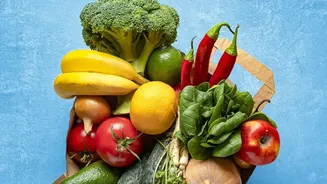
The Peril of Leafy Greens
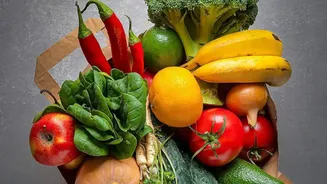
During the monsoon, leafy vegetables like spinach, cabbage, and lettuce become risky purchases. The damp, humid conditions are ideal for bacterial and fungal growth. The closely packed leaves can trap dirt, moisture, and microbes that are difficult to
wash away completely. Experts often advise either avoiding them or being extremely cautious. If you must have them, the golden rule is to buy only what you need for a day or two. Wash them thoroughly, perhaps with salt water, and cook them well immediately instead of using them in raw salads. This practice minimises the chance of spoilage and reduces the risk of foodborne illnesses that are more common this season.
Embrace Hardy Vegetables and Gourds
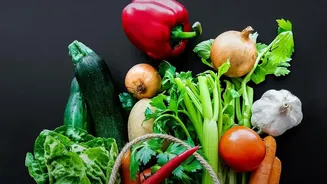
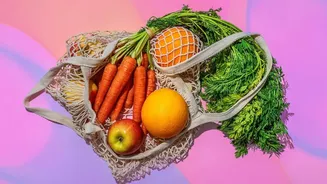
While leafy greens pose a challenge, the monsoon is the perfect time to embrace hardier vegetables. Root vegetables like potatoes, sweet potatoes, and carrots, along with gourds like lauki (bottle gourd) and karela (bitter gourd), are excellent choices. These vegetables have a longer shelf life and are less susceptible to the quick decay that affects more delicate produce. Traditional Ayurvedic practices for the rainy season, known as Varsha Ritu, recommend eating light and easily digestible foods, a category where these vegetables fit perfectly. They form the reliable backbone of a monsoon diet, providing essential nutrients without the high risk of contamination. Stocking up on these makes more sense than buying delicate greens in large amounts.
Fruits: Choose Wisely and Consume Quickly
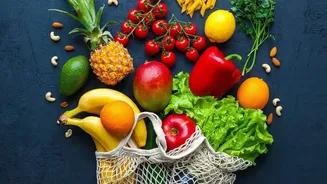
Fresh fruit is a delight, but it requires a careful approach during the rains. Fruits with high water content can spoil quickly. It is better to opt for seasonal monsoon fruits like jamuns, pears, pomegranates, and apples. These are generally more resilient. Much like with vegetables, the principle is to buy in smaller quantities that you can consume within a couple of days. Avoid pre-cut fruits sold by street vendors, as they are highly susceptible to contamination in the humid environment. Wash all fruits thoroughly under running water as soon as you bring them home to remove any surface contaminants.
The Power of Dry Goods and Spices
Your pantry's dry goods are your best friends during the monsoon. Lentils, pulses, rice, and freshly milled atta should be staples. However, even these are not immune to the dampness. Store them in clean, completely dry, airtight containers to protect them from moisture, which can lead to mould and pests. Spices like turmeric, ginger, black pepper, and ajwain are particularly valuable. Not only do they form the base of Indian cooking, but many also possess antimicrobial and digestive properties that are beneficial when our digestive systems are considered weaker according to Ayurveda. Buying whole spices instead of powders can also help them retain their potency and freshness longer.
Dairy and Meats: The High-Risk List
Perishable items like milk, paneer, and meat demand the highest level of caution. The combination of heat and humidity accelerates spoilage, so buying these items in bulk is not advisable. Purchase them from trusted, hygienic sources in amounts you will use the same day. Ensure that meat is cooked thoroughly to kill any harmful bacteria. Dairy products should be refrigerated immediately and consumed well before their expiry dates. Cross-contamination is also a major risk, so always store raw meat separately from other foods in the refrigerator and use different cutting boards.