


The Sun’s Turbulent Outbursts
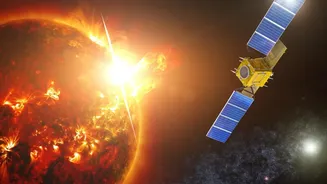
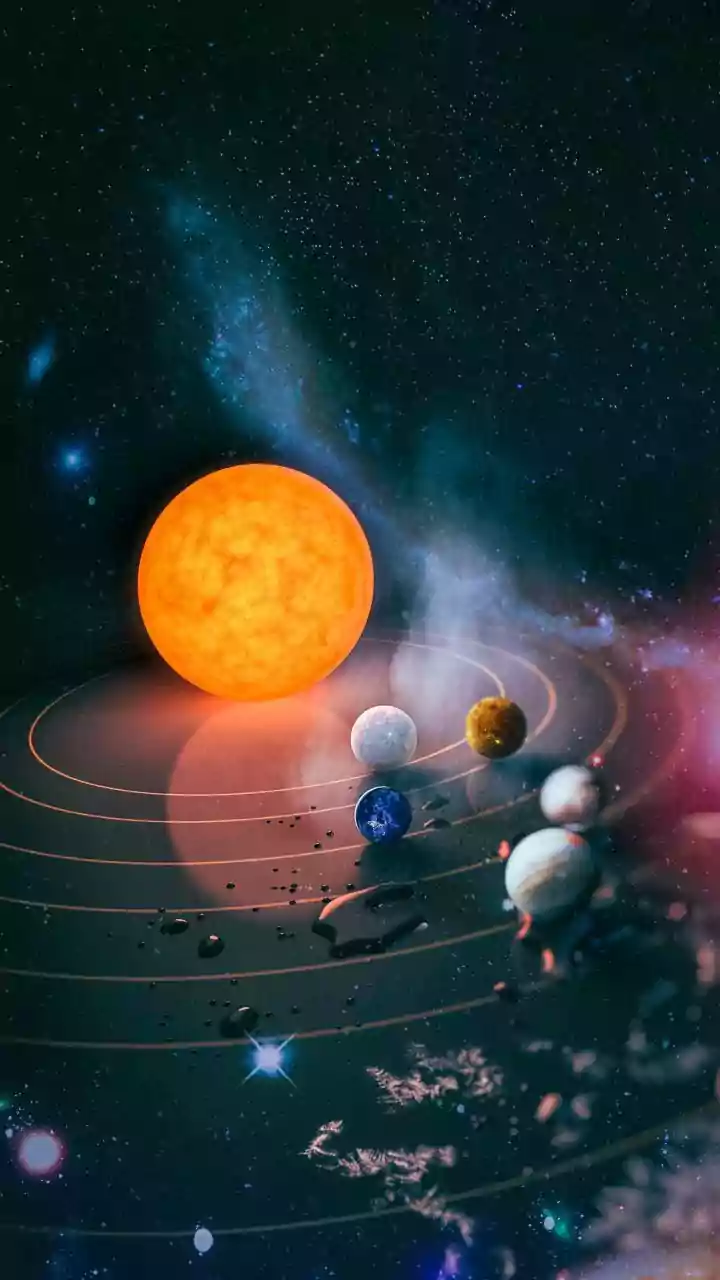
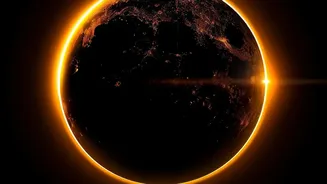
Far from being a calm, steady source of light, the sun is a dynamic star with an 11-year cycle of activity. During its peak, it can unleash powerful explosions of energy. Two of the main phenomena scientists watch are solar flares and coronal mass ejections
(CMEs). A solar flare is an intense burst of radiation, and the energy from it travels at the speed of light, reaching Earth in just eight minutes. CMEs, on the other hand, are massive eruptions of plasma and magnetic fields from the sun's outer atmosphere, the corona. These billion-ton clouds of solar material travel more slowly, but when one is aimed at Earth, it can trigger major disturbances.
Power Grids on the Brink
One of the most significant risks from a CME is a geomagnetic storm. When a CME slams into Earth's magnetic field, it can induce powerful electrical currents on the ground, known as geomagnetically induced currents (GICs). These currents can flow into high-voltage power lines, overloading the system and potentially damaging or destroying critical transformers. This isn't just theoretical; in March 1989, a geomagnetic storm caused a nine-hour blackout across the entire province of Quebec, Canada. A more powerful storm could lead to widespread, long-lasting outages, impacting everything from water supply to transportation and financial transactions.
Satellites in the Firing Line
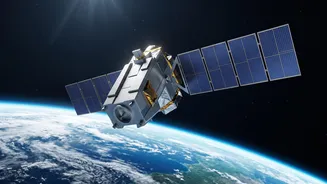
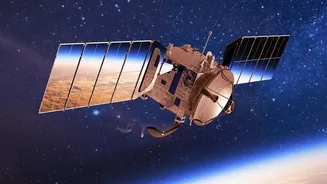
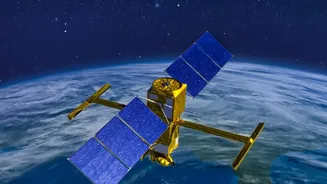
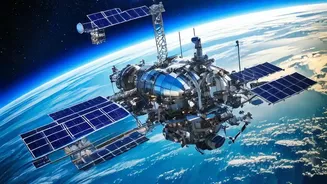
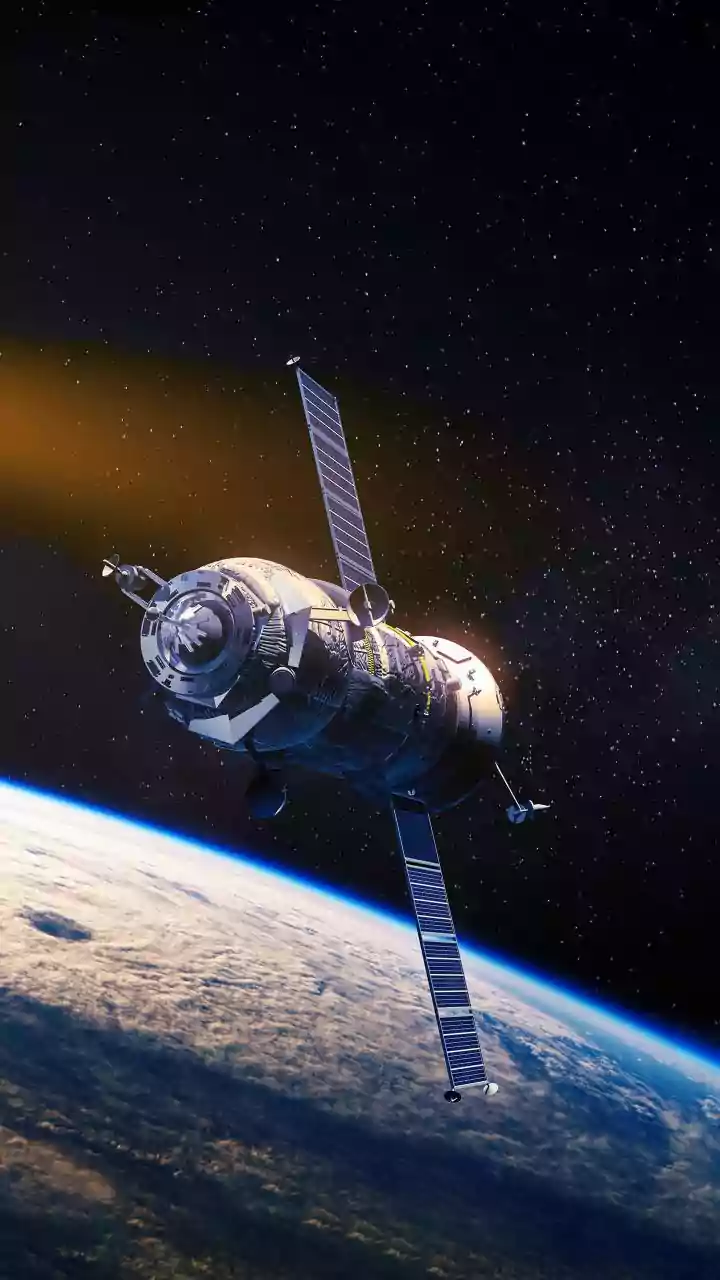
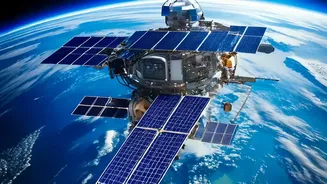
The satellites orbiting our planet are on the front line of space weather. They are essential for GPS navigation, communications, and weather forecasting, but are highly vulnerable. Solar radiation can damage a satellite's electronics, degrade its solar panels, and even cause it to receive phantom commands. A strong solar storm can also heat and expand Earth's upper atmosphere. This increases the drag on satellites in low-Earth orbit, causing them to lose altitude and potentially fall out of orbit or collide with other space debris. In February 2022, a minor solar storm was enough to destroy 40 newly launched Starlink satellites, highlighting the real-world financial and operational risks.
Disrupting Global Communication and Navigation
Our ability to communicate and navigate depends on signals travelling smoothly through the atmosphere. Solar flares can disrupt high-frequency (HF) radio communications, used by airlines and military, leading to blackouts on the sunlit side of Earth. Geomagnetic storms also disturb the ionosphere, a layer of the atmosphere that GPS signals must pass through. This can degrade the accuracy of GPS, with errors ranging from a few metres to a complete loss of signal. For industries like aviation, shipping, and precision agriculture that rely on exact positioning, even small errors can have serious consequences.
Watching the Skies for Early Warnings
Given the stakes, scientists and government agencies worldwide are dedicated to monitoring the sun. Organisations like the US National Oceanic and Atmospheric Administration's (NOAA) Space Weather Prediction Center use a network of ground-based telescopes and spacecraft to keep a constant eye on solar activity. Spacecraft like the Solar and Heliospheric Observatory (SOHO) provide near real-time data, allowing forecasters to detect sunspots, flares, and CMEs as they happen. This monitoring provides crucial lead time—from minutes for flares to a few days for CMEs—allowing utility companies, satellite operators, and airlines to take protective measures, such as temporarily taking systems offline or rerouting flights away from polar regions.