



The Limits of a White Box
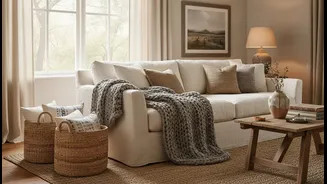
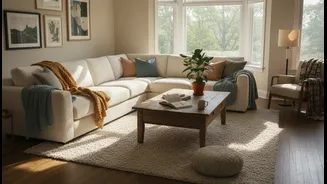
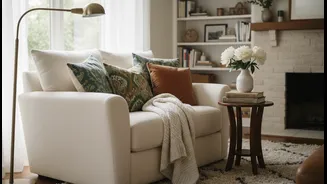
The minimalist aesthetic, with its clean lines, uncluttered surfaces, and neutral palettes, once promised a calmer, more intentional life. It was a visual antidote to a culture of excess. However, for many, this ideal has become rigid and impractical,
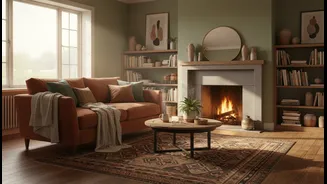
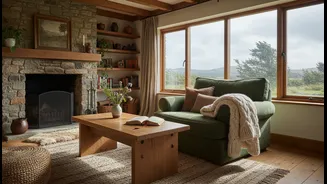
leading to spaces that feel more like sterile showrooms than comfortable homes. The pursuit of emptiness can inadvertently strip away personality, history, and the very objects that tell our life's story. Critics argue that in its most extreme form, minimalism became less about mindful living and more about curating a specific, often expensive, look that prized absence over presence. As people found themselves spending more time at home, the desire for comfort, character, and colour began to push back against the coldness of a perfectly bare room.
The Rise of the Resilient Home
Parallel to the fatigue with minimalism is the urgent need for our homes to do more. The fundamental purpose of a house is to provide shelter, a role that is being tested by increasingly extreme weather. A weather-ready, or climate-resilient, home is designed to work with its environment, not just seal itself off. This approach embraces principles of passive design that have been used in traditional Indian architecture for centuries. It involves strategic orientation to minimise sun exposure, materials that manage heat, and designs that promote natural ventilation. Think of internal courtyards that act as thermal buffers, deep eaves or 'chajjas' that provide shade, and 'jaali' screens that filter harsh sunlight while allowing breezes to pass through. These aren't just technical features; they are architectural statements that connect a home to its specific location.
Comfort That Works With Nature
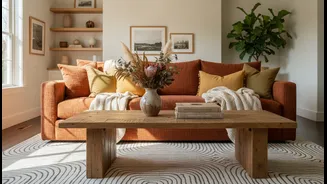
Unlike the one-size-fits-all nature of sterile minimalism, a weather-ready home is inherently local. In hot Indian climates, this means fighting heat gain without relying solely on air conditioning. A key strategy is using light-coloured or reflective coatings on the roof to reduce heat absorption. Inside, using materials with high thermal mass, like stone or thicker walls, can help absorb heat during the day and release it at night when it's cooler. Cross-ventilation is also crucial; aligning windows and doors on opposite sides of a room allows air to flow freely, creating natural cooling. This is complemented by biophilic design—the practice of integrating nature into our living spaces. Using natural materials like wood, cane, cotton, and linen not only adds warmth and texture but also improves how a room feels and breathes, creating a healthier, more comfortable environment.
Where Practicality Meets Personality
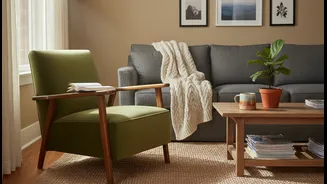
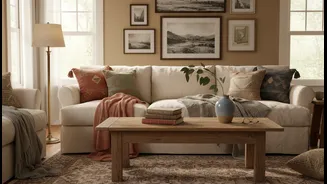
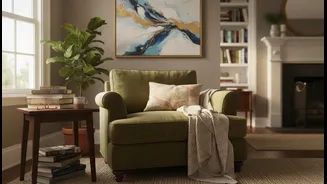
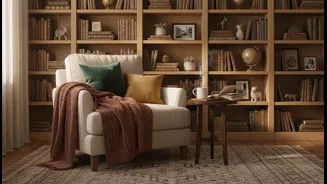
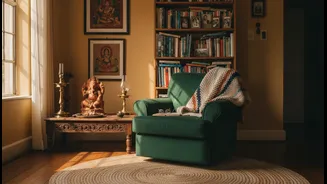
This is where the weather-ready home truly surpasses sterile minimalism: it celebrates personality. A maximalist embraces layers of colour, pattern, and beloved objects, creating a space that tells a story. A weather-ready home provides the perfect canvas for this. The need for shade encourages beautiful textiles, from thick curtains to vibrant awnings. Strategic landscaping becomes part of the home's cooling system, with trees and climbing vines providing a living, green layer of insulation. Rainwater harvesting systems and small water features can create microclimates that lower ambient temperatures. These functional choices are also deeply personal and aesthetic. They create spaces that feel curated and lived-in, filled with plants, art, and meaningful collections that minimalism often discourages. A home that responds to its climate is a home with character.
Simple Steps Toward a Smarter Home
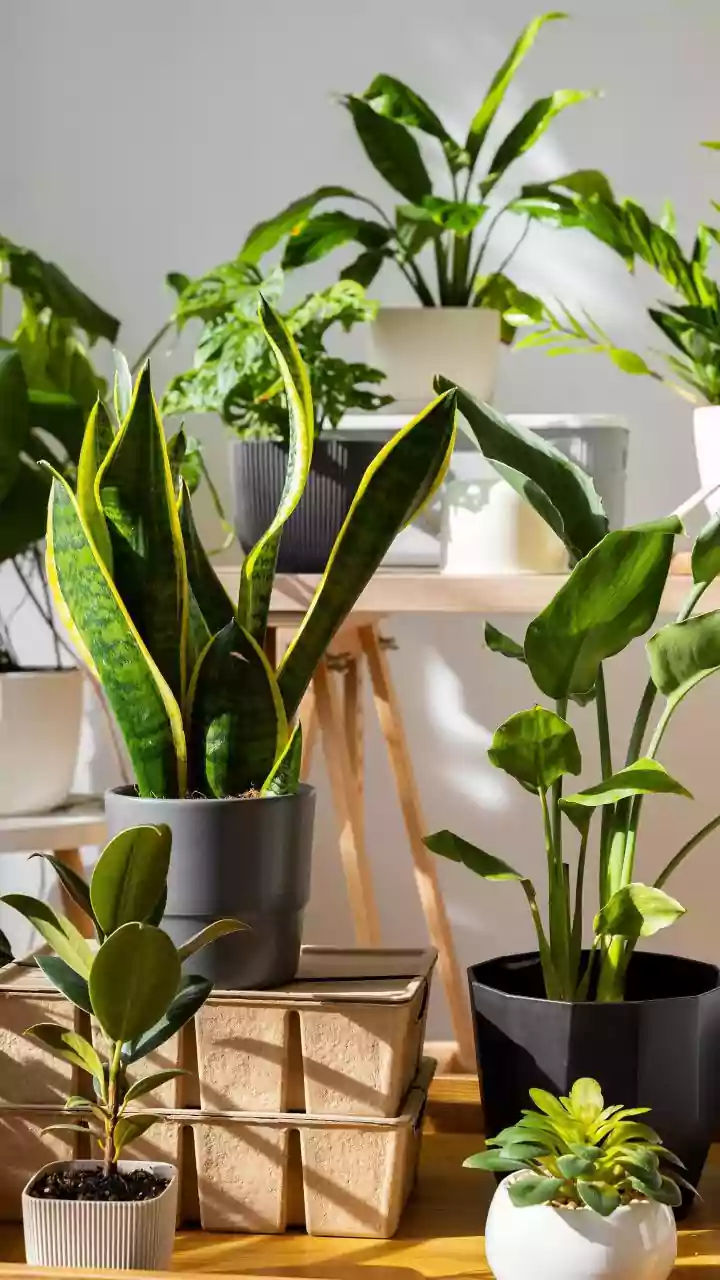
You don't need to build a new house to embrace these principles. Making your home more resilient and personal can start with small, impactful changes. Improve insulation where possible, and seal air leaks around doors and windows to keep cool air in. Installing reflective films on windows that receive direct sun can significantly cut down on heat gain. Swap heavy, synthetic fabrics for breathable, natural ones like cotton and linen for furnishings. Outside, even balcony planters or strategically placed potted plants can help cool the surrounding air. Planting native, drought-resistant species provides shade and supports local ecosystems. By making these intentional choices, you move away from a generic aesthetic and toward a home that is uniquely yours, and uniquely suited to the world we live in today.