




From Tourist Hotspots to Quiet Retreats
For years, the story of hill travel was defined by a handful of famous towns. Today, travellers are consciously moving away from congested centres in search of peace. Digital travel platform Agoda noted a significant rise in interest for quieter Himalayan
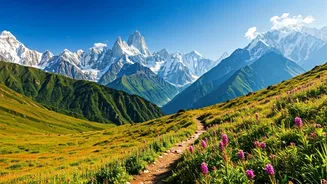
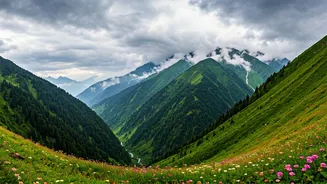
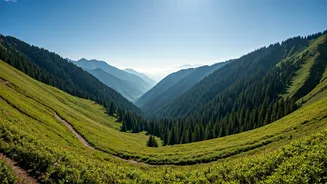
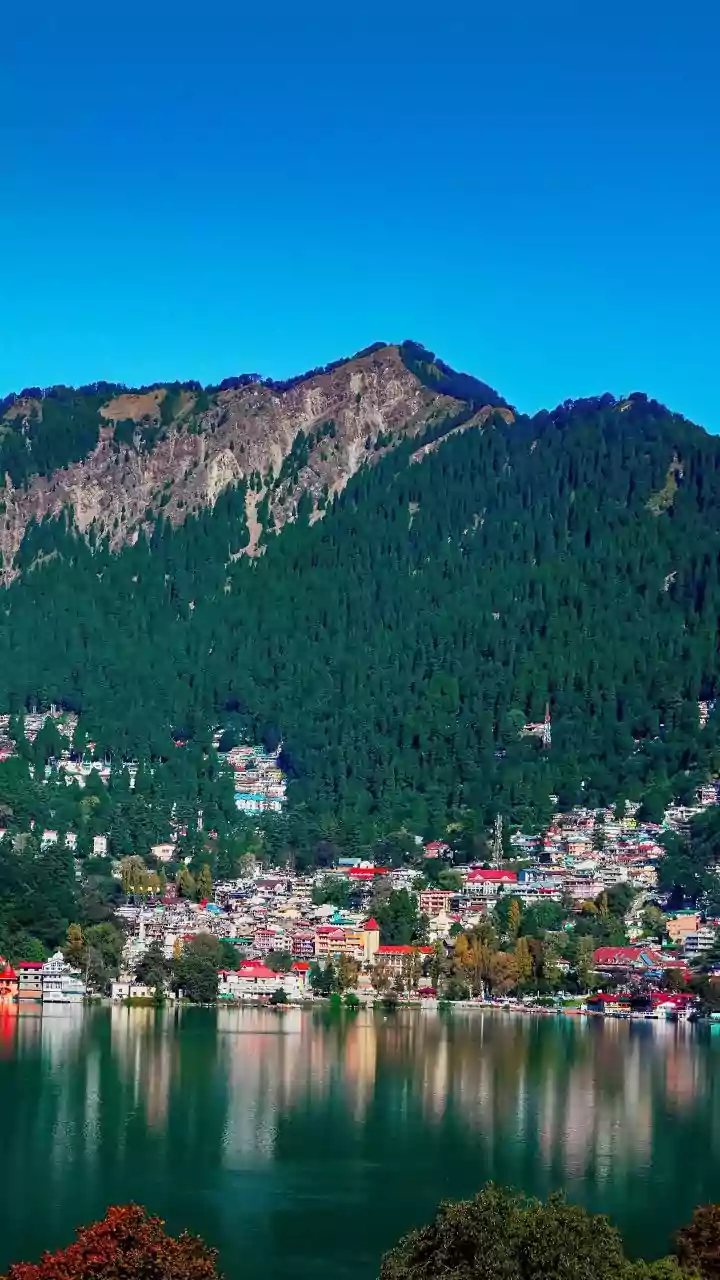
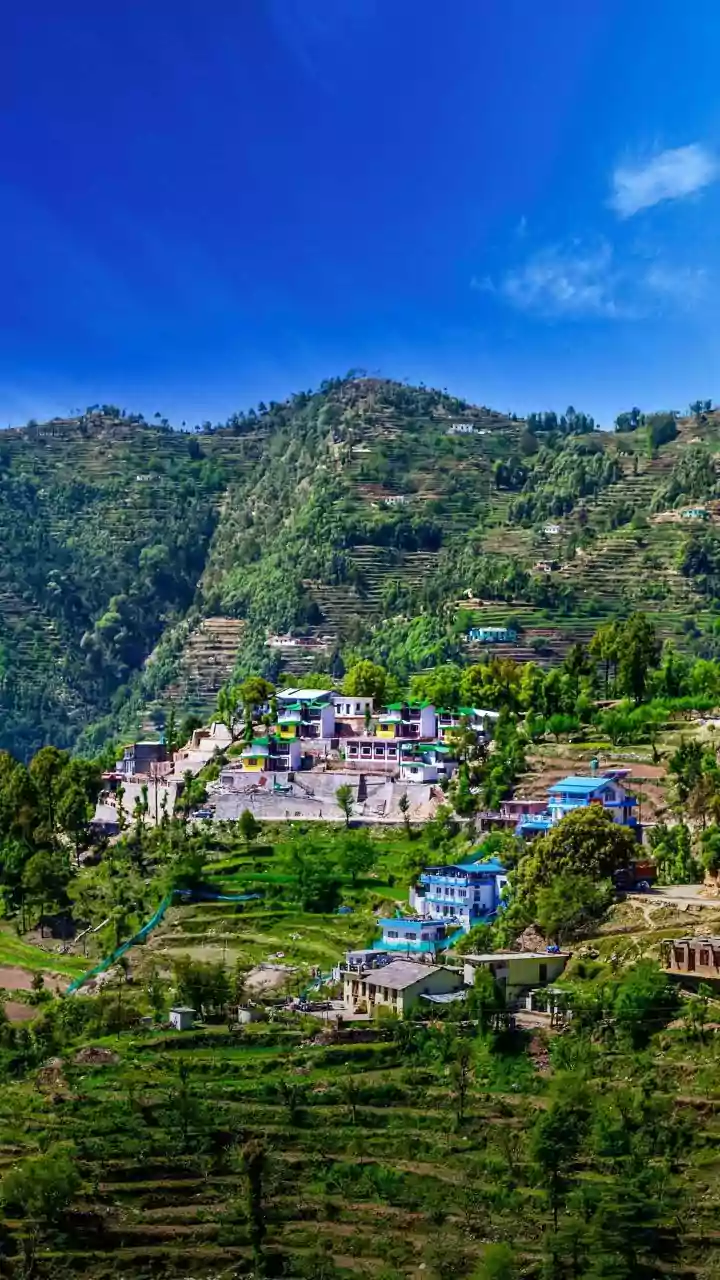
destinations in 2026, a trend dubbed 'hushpitality'. Accommodation searches for places like Dharamshala and Rishikesh have surged by 154% and 65% respectively, driven by a desire for slower-paced holidays away from urban noise. According to Agoda's 2026 Travel Outlook report, relaxation is the main travel motivation for 67% of Indian respondents. This shift is not just about avoiding crowds but about seeking a more meaningful connection with nature. Instead of ticking off popular sights, travellers are exploring lesser-known hamlets like Tirthan Valley, Barot Valley, and Kanatal, which offer serene landscapes and a sense of discovery.
The 'Work from Mountains' Revolution
The rise of remote work has fundamentally changed the definition of a holiday. What used to be a week-long escape is now often a month-long 'workation'. A FICCI survey found that a third of travellers now prefer working from natural settings to escape urban burnout. The 'Work-from-Mountains' trend has become a lifestyle, with professionals swapping city desks for panoramic Himalayan views. This has led to a 70% increase in long-stay bookings in towns like Manali and Rishikesh. Improved broadband connectivity and the emergence of co-living spaces specifically designed for digital nomads in places like Dharamshala and Almora have made this possible. These spaces offer a blend of productivity and wellness, with reliable Wi-Fi, comfortable workspaces, and a community of like-minded individuals.
A Newfound Focus on Slower, Conscious Travel
Modern travel is becoming more intentional. Globally, there's a move toward 'slow travel,' which prioritizes deeper engagement with a single place over rushing through multiple destinations. This trend is particularly suited to the Himalayas, where the landscape itself encourages a slower pace. Travellers are increasingly seeking authentic cultural experiences, from staying in traditional homestays to learning about local ecosystems. This has also brought a sharper focus on sustainability. With the ecological fragility of the Himalayas becoming more apparent, there's a growing demand for responsible tourism that benefits local communities and minimizes environmental impact. Initiatives promoting eco-friendly accommodations, waste management, and community-based tourism in states like Uttarakhand are gaining traction, attracting travellers who want their visits to be both memorable and meaningful.
Adventure and Accessibility
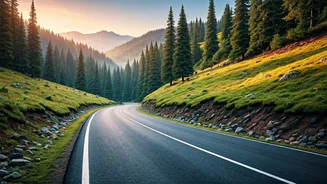
While peace and quiet are major draws, the spirit of adventure is also thriving. Adventure tourism in the Himalayas has grown significantly, attracting people for trekking, rafting, and paragliding. However, the modern adventurer often seeks a blend of rugged exploration and comfort. Improved infrastructure, such as new all-weather tunnels and better road networks, has made previously remote areas more accessible, opening them up to a wider range of visitors. This improved connectivity allows for easier planning of both short, intense 'micro-expeditions' and longer, more immersive journeys. As a result, destinations are seeing a new wave of travellers who might not have considered themselves adventurers before but are now actively seeking nature-based experiences in wild places.