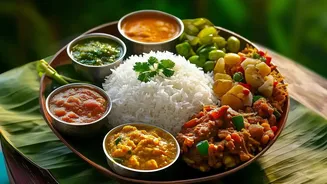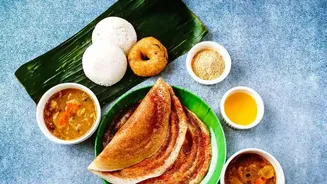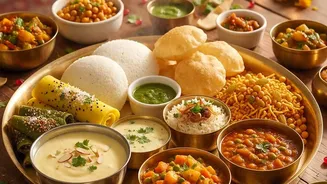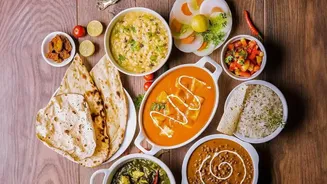


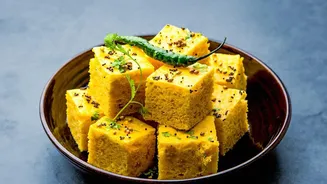
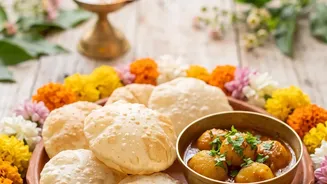
For years, 'Indian food' in many cities meant a familiar menu of paneer tikka and butter chicken. But a quiet and delicious revolution is unfolding as diners across the country develop a taste for something more specific, authentic, and local.
Beyond the Pan-Indian Menu
The standardised
menus that once dominated urban restaurants are making way for a more diverse culinary landscape. Diners are increasingly looking past generic curries and seeking out dishes with deeper stories and distinct cultural roots. This has sparked a movement where hyper-regional food is no longer seen as simple or homely, but as a premium dining experience. Restaurants are now building their entire brand identity around the specific flavours of one area, such as Malvani, Chettinad, or Garhwali cuisine. This shift is a response to a growing curiosity among diners who are more willing to explore cuisines beyond the obvious. It reflects a desire for authenticity over adaptation, a trend exemplified by the success of eateries that have remained true to their origins.
The Chefs Championing Heritage
A new generation of Indian chefs is at the forefront of this movement, acting as culinary ambassadors for their native regions. Many are travelling to villages, learning from home cooks, and studying forgotten techniques to bring ancestral flavours into modern restaurant kitchens. For instance, chefs like Prateek Sadhu, formerly of Masque, have opened destination restaurants like Naar in Himachal Pradesh, focusing entirely on Himalayan-forward cuisine using foraged greens and local ingredients. In Mumbai, home chef Gitika Saikia has been popularising Assamese tribal dishes through her delivery service, using ingredients sourced directly from Assam. Even established fine-dining restaurants are getting involved. Chef Manish Mehrotra of Indian Accent helped elevate Bihari cuisine by introducing Champaran Mutton to a gourmet audience, bridging the gap between a 'poor man's meal' and fine dining. This dedication shows that respecting tradition and pursuing contemporary ambition can happen in the same kitchen.
The Rise of Underrated Cuisines
This trend has brought many lesser-known culinary traditions into the national spotlight. Bihari food, once dismissed as 'rustic', is undergoing a sophisticated rebranding in premium dining spaces. Restaurants like The Potbelly in Delhi have been instrumental in challenging old prejudices and proving that the cuisine's diversity, from Ghugni Chooda to Sarson Machchli, can command a luxury price point. Similarly, Odia cuisine is gaining visibility through food festivals in cities like Hyderabad and Bhubaneswar, which aim to popularise dishes that many people are still unaware of. Other cuisines like the spicy and flavourful Kathiawadi from Gujarat, the coconut-rich Malvani from the Konkan coast, and the earthy Kumaoni from Uttarakhand are also finding a new audience of adventurous foodies.
Digital Cravings and Nostalgia
Social media has acted as a powerful accelerant for this trend. A single viral food reel on Instagram or YouTube can make a local dish famous overnight, encouraging restaurants to experiment with regional menus. Food creators travelling through small towns have introduced urban audiences to recipes once ignored by the mainstream. This digital exposure makes regional food more accessible and relatable. Alongside this digital discovery is the powerful driver of nostalgia. For millions of people who move to cities for work or education, there is a deep longing for the taste of home. Restaurants that serve authentic regional dishes are tapping into this emotional connection, offering comfort that reminds customers of family gatherings and childhood memories.