






Beyond the Potato and Pakora
The monsoon brings with it a specific kind of hunger—a desire for food that feels like a warm hug. For years, this craving has been answered by plates of crispy fried snacks and the ever-reliable potato in its many forms. But a subtle, delicious shift
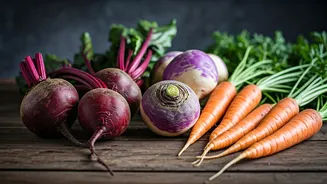
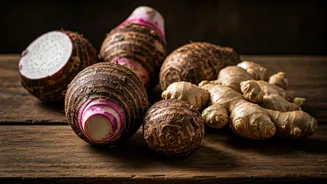
is happening in restaurant kitchens and, increasingly, in our homes. Chefs and home cooks are looking underground for inspiration, unearthing a treasure trove of indigenous root vegetables that offer a more nuanced, wholesome, and deeply Indian form of comfort. We're not just talking about potatoes and onions anymore. Think of the creamy, nutty flavour of arbi (colocasia), the dense, meaty texture of suran (elephant foot yam), the gentle sweetness of shakarkandi (sweet potato), and the vibrant earthiness of beetroot. These humble heroes of the vegetable world are stepping into the spotlight, transforming monsoon menus from predictable to profound.
An Ayurvedic Nod to Wellness
This culinary revival isn’t just about novelty; it’s rooted in centuries-old wisdom. According to Ayurveda, the monsoon is a time when our digestive fire, or ‘agni’, is at its weakest. The damp, humid weather can make us feel sluggish and susceptible to infections. Root vegetables, which grow underground and absorb a dense concentration of nutrients from the soil, are considered ideal for this season. They are naturally warming, grounding, and packed with fibre, vitamins, and minerals that boost immunity. Vegetables like yam and sweet potato are easier to digest than heavy grains or meats, providing sustained energy without taxing the system. By featuring these ingredients, chefs are intuitively tapping into an ancient understanding of seasonal eating, offering dishes that not only taste good but also make you feel good, aligning the body with the rhythm of nature.
The Chef’s Creative Canvas
For creative chefs, these rediscovered roots are a playground of texture and flavour. In cities like Mumbai, Delhi, and Bengaluru, progressive Indian restaurants are leading the charge. You might find an arbi tuk—a Sindhi preparation of double-fried colocasia—reimagined as a sophisticated bar snack, crisp on the outside and fluffy within. Elephant foot yam, traditionally used in robust curries, is being transformed into delicate, melt-in-your-mouth galouti kebabs that surprise even die-hard meat lovers. Sweet potatoes are being used in savoury chaats, tossed with tangy chutneys and crunchy sev, balancing their inherent sweetness with a spicy kick. Even the humble beetroot is shedding its reputation as just a salad ingredient, appearing in rich, velvety curries and even as a natural colouring for handmade pasta. These dishes prove that comfort food doesn't have to be one-dimensional; it can be complex, innovative, and utterly delightful.
A Return to Our Own Soil
This trend also speaks to a larger movement towards sustainability and celebrating culinary heritage. For too long, the definition of ‘gourmet’ was tied to imported ingredients like asparagus, broccoli, and zucchini. The renewed focus on local tubers is a conscious step away from that. These vegetables are native to our soil, perfectly adapted to our climate, and require fewer resources to grow. Sourcing them supports local farmers and reduces the carbon footprint associated with food transport. Moreover, it’s a form of cultural reclamation. These are the vegetables our grandparents and great-grandparents cooked with, ingredients that are woven into the fabric of regional Indian cuisine. By placing them on modern menus, chefs are honouring that legacy, reminding us of the incredible diversity that has always existed in our own backyards. It’s a delicious act of looking back in order to move forward.