


The New Wave of Cafe Culture
Step into a chic urban cafe in Mumbai, Delhi, or Bengaluru today, and you will notice the menu offers more than just cappuccinos and croissants. Cafes have transformed from simple coffee stops into vibrant culinary hubs. Driven by a new generation of chefs
and a well-travelled, curious clientele, these spaces are now experimenting with global food trends. The latest and most exciting influence comes from Japan, moving far beyond the established realms of sushi and ramen to embrace the delicate, nuanced world of Japanese street food, desserts, and unique ingredients. This is not about replacing Indian tastes, but rather expanding them, offering a glimpse into global culinary conversations right in our own cities.
A Taste of Tokyo on Every Table
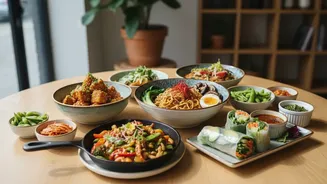
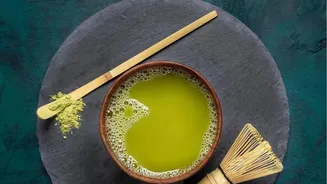
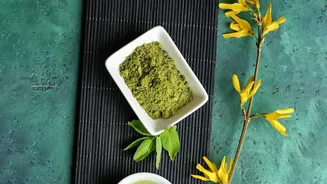
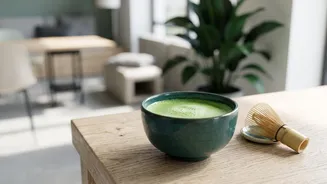
The Japanese influence is evident in the specific ingredients now becoming cafe staples. Earthy, vibrant matcha is no longer a niche health product but the star of lattes, cheesecakes, and tarts. The bright, floral notes of yuzu, a Japanese citrus, are appearing in everything from mocktails to dessert glazes. Playful items like fluffy, jiggly Japanese soufflé pancakes and dorayaki have become social media sensations, drawing crowds eager for a taste of Tokyo's 'kawaii' (cute) culture. Even savory options are getting a Japanese twist, with cafes offering dishes like katsu sandos (breaded cutlet sandwiches) and onigiri, making what was once considered exotic, an accessible and casual treat. This trend shows a move away from formal Japanese dining towards its more relaxed, everyday street food and bakery culture.
From Global Trend to Local Flavour
What makes this trend truly special is its fusion with familiar Indian flavours. This isn't just about importing Japanese dishes; it's about a creative dialogue between two rich culinary traditions. Chefs are using Japanese ingredients and techniques to enhance and reinvent local recipes. Imagine a creamy miso ice cream that adds a surprising umami depth to a dessert, or a Japanese-style soy sauce used to deepen the flavour of a North Indian makhani gravy. Some chefs are creating Japanese 'kaiseki' style meals but using peak seasonal Indian ingredients, like preparing a dish with kalmi saag (water spinach) or arbi (taro root). Even home cooks are getting in on the act, adding miso to everything from baingan bharta to khichdi, proving that these flavors can find a natural home in the Indian kitchen.
Why Japan, and Why Now?
Several factors are fueling this culinary crossover. Increased global travel and the pervasive influence of social media and anime have made Indian diners more adventurous and aware of international food trends. People are no longer intimidated by the idea of Japanese food being exclusively about raw fish or expensive fine dining. Cafes like Harajuku Tokyo Cafe, with outlets in Delhi and Mumbai, have successfully made Japanese cafe culture approachable and fun. Furthermore, there is a growing interest in healthier eating, and many aspects of Japanese cuisine—with its focus on fermented ingredients like miso and lighter cooking methods—align perfectly with this wellness-conscious mindset. This has created the perfect environment for chefs to innovate, confident that there is an eager audience ready to embrace new tastes.