

The Ancient Art of Fermentation
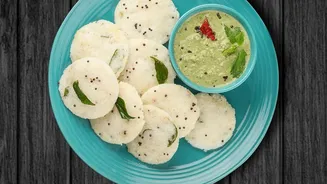
At its heart, the magic of foods like idli and dosa lies in fermentation. This age-old technique involves soaking rice and urad dal (black gram) for several hours, grinding them into a batter, and then allowing it to rest overnight. During this resting
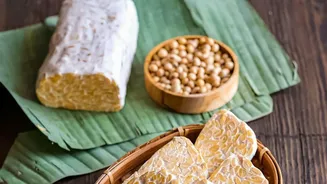
period, naturally occurring microorganisms, primarily beneficial bacteria and yeasts from the surface of the grains, get to work. These tiny microbes feed on the carbohydrates in the batter, transforming its chemical structure, flavour, and, most importantly, its nutritional profile. This isn't a modern health trend; it's a centuries-old tradition that cleverly enhances food without artificial additives.
A Boost of Beneficial Bacteria
The fermentation process turns the simple batter into a rich source of probiotics. Probiotics are live, beneficial bacteria, like Lactobacillus, that are crucial for a healthy digestive system. When you eat freshly prepared idli or dosa, you introduce these good bacteria into your gut. They help restore the natural balance of your gut microbiome, which is the vast community of trillions of microbes living in your digestive tract. A balanced microbiome is essential for smooth digestion, helping to prevent common issues like bloating and constipation.
Making Nutrients More Available
One of the most significant benefits of fermentation is that it improves nutrient bioavailability. This means it makes it easier for your body to absorb the goodness from your food. Grains and lentils contain compounds known as 'antinutrients,' like phytic acid, which can block the absorption of essential minerals such as iron, zinc, and calcium. The fermentation process breaks down these antinutrients. As a result, your body can absorb more of these vital minerals from the idli and dosa you eat. Fermentation also synthesises B-vitamins, including thiamine and riboflavin, further boosting the meal's nutritional value.
Pre-Digested for Your Comfort
Another reason these foods are so gentle on the stomach is that the fermentation essentially 'pre-digests' the food for you. The bacteria break down complex carbohydrates and proteins into simpler, smaller molecules that are much easier for your body to process. This is why idli is often considered an ideal food for people with sensitive stomachs or during recovery from illness. It provides sustained energy without making your digestive system work overtime, leaving you feeling light and nourished.
Your Gut-Friendly Breakfast Stars
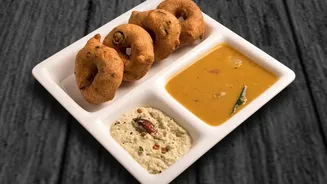
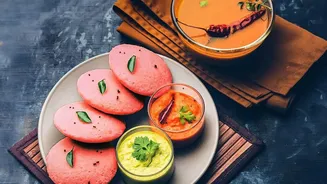
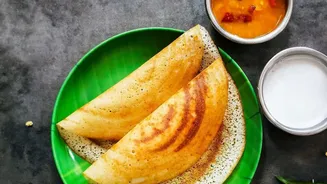
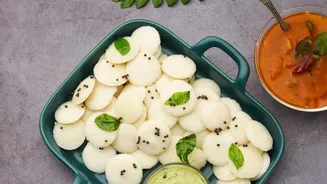
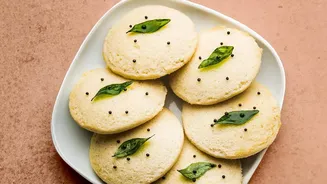
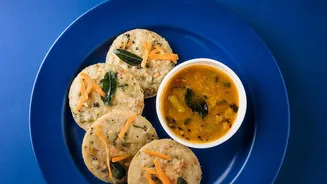
While idli and dosa are the most famous examples, they are part of a broader family of fermented South Indian foods that benefit the gut. Idli, being steamed, is incredibly light and uses minimal oil, making it a top choice. Dosa, while cooked on a griddle with a bit of oil, comes from the same beneficial batter. Other variations like uttapam and appam also rely on fermentation, offering different textures and tastes but similar gut-friendly properties. Even accompaniments like neer mor (spiced buttermilk) and certain chutneys can contribute to a probiotic-rich meal. It’s important to note that these benefits are most potent in traditionally prepared, home-fermented batters, as some commercial instant mixes may not contain the same live cultures.