






The New Face of Fitness
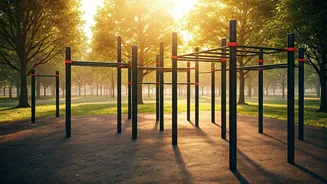
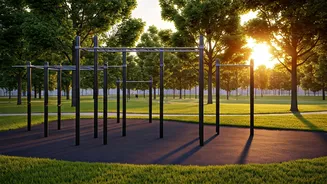
Walk through a major city park in Mumbai, Delhi, or Bengaluru on a weekend morning, and you might see it. A crowd has gathered, not for cricket, but around a set of parallel bars or even just an open patch of grass. Here, athletes perform feats of strength
that look like a blend of gymnastics and urban acrobatics. This is calisthenics, or 'street workout'—a fitness discipline that uses your own body weight as resistance. Pull-ups, push-ups, muscle-ups, and the ultimate test of balance and core strength: the handstand. The appeal is obvious. There are no expensive gym memberships, no fancy equipment required. The park is the gym, and the ground is the weight room. This democratic approach to fitness has sparked a grassroots movement across urban India, attracting everyone from college students to working professionals.
From Solo Practice to Community Spirit
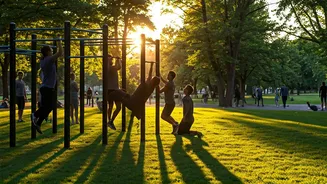
What began as a niche interest for solo practitioners has blossomed into a full-fledged community phenomenon. Groups with names like 'Street Workout India' or 'Bar Brawlers' are forming, using social media platforms like Instagram and WhatsApp to organise meet-ups, share tips, and motivate each other. These aren't just informal gatherings; they are structured communities built on mutual support. Beginners are welcomed and coached by more experienced members, learning the fundamental progressions needed to achieve advanced skills. The atmosphere is collaborative, not intimidating. The shared struggle of mastering a new move—whether it's holding a handstand for five more seconds or finally achieving a muscle-up—forges powerful bonds that extend beyond the park.
The Art of the 'Duel'
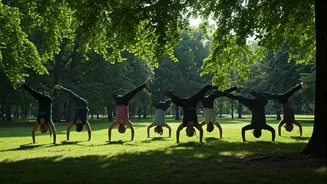
The term 'duel' might conjure images of intense rivalry, but in the world of calisthenics, it’s a playful and respectful showcase of skill. A handstand 'duel' is often a friendly competition to see who can hold a perfectly still handstand the longest. The silence is punctuated only by the grunts of effort and the encouraging shouts from onlookers. Other 'duels' or 'battles' are freestyle affairs, where athletes take turns performing a sequence of dynamic and static moves, trying to outdo each other in creativity, control, and difficulty. It’s less about defeating an opponent and more about pushing oneself and inspiring others. These events are the highlight of a meet-up, transforming a simple training session into a thrilling spectator sport where the only prize is respect.
Building Strength, Inside and Out
The physical benefits of calisthenics are undeniable. Practitioners develop incredible functional strength, muscle definition, and body control. A perfectly executed handstand requires not just powerful shoulders, but an engaged core, stable wrists, and immense concentration. It’s a full-body exercise that doubles as a meditative practice, demanding complete focus on the present moment. But regulars will tell you the mental and social benefits are just as significant. The discipline required to progress in calisthenics builds resilience and patience. Celebrating a friend’s first successful pull-up or getting advice after failing a move for the tenth time builds a sense of belonging that many find missing in traditional fitness environments. It’s a journey of incremental progress, where every small victory is a shared success.
How to Join the Movement
Intrigued? The barrier to entry is lower than you think. The beauty of calisthenics is its scalability. You don’t start with a handstand; you start with wall-supported holds, pike push-ups, and core-strengthening exercises like planks. The first step is often the simplest: find a local park. Look for groups on social media by searching for 'calisthenics' or 'street workout' along with your city's name. Most groups are open and welcoming to newcomers, regardless of their fitness level. Don't be shy about approaching a group in person, either. The community thrives on sharing its passion. All you need to begin is a willingness to try, a bit of patience, and the understanding that gravity is a patient and persistent teacher.