






Starting an exercise routine can feel daunting, especially when you're dealing with joint pain or stiffness. But movement is crucial for joint health. The key is to choose low-impact activities that build strength without adding unnecessary stress.
Why Low-Impact Matters
When
you're living with joint discomfort, high-impact activities like running or jumping can make the pain worse. Low-impact exercises, on the other hand, minimize the jarring force on your joints, particularly the knees, hips, and ankles. These activities help strengthen the muscles that support your joints, improve flexibility, and lubricate the joints by encouraging the production of synovial fluid. The goal is to move in a way that feels good, builds consistency, and helps you stay active without triggering flare-ups.
Swimming and Water Aerobics
Water is one of the most forgiving environments for exercise. Its natural buoyancy supports up to 90% of your body weight, which dramatically reduces the pressure on your joints. This makes swimming, water walking, or water aerobics ideal for anyone with arthritis or significant joint pain. The water also provides gentle, consistent resistance, helping to build muscle strength throughout your entire body. As a beginner, you can start by simply walking back and forth in the shallow end of a pool, gradually progressing to swimming short laps with rest breaks.
Cycling (Stationary or Outdoor)
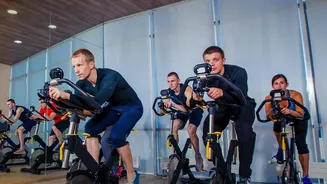
Whether you use a stationary bike at home or ride outdoors, cycling is an excellent low-impact cardio workout that strengthens the key muscles supporting your knees and hips, like the quadriceps and glutes. The smooth, circular motion is gentle on the joints and helps improve your range of motion. For beginners, it's important to start with a low resistance and shorter durations, perhaps just 10-15 minutes at a time. Proper bike setup is also crucial; make sure your seat is at a comfortable height to avoid straining your knees.
Walking
Walking is perhaps the most accessible joint_friendly exercise. It requires no special equipment beyond a pair of supportive shoes and can be done almost anywhere. As a weight_bearing exercise, it helps strengthen bones and muscles while still being gentle on your joints. To start, choose flat, even surfaces like a track or a smooth path and begin with short, 10_minute walks. As you get more comfortable, you can gradually increase your duration or pace. Listening to music or walking with a friend can help keep you motivated.
Practices like yoga and Tai Chi are renowned for their gentle, flowing movements that enhance flexibility, balance, and body awareness. Tai Chi, often described as 'meditation in motion', involves slow, controlled movements that can significantly reduce joint pain and stiffness while also improving balance, which helps prevent falls. Similarly, gentle or chair yoga focuses on performing modified poses that increase your range of motion without straining your joints. These mind_body exercises also help reduce stress, which can contribute to pain perception.
Building muscle is vital for joint health, as stronger muscles act as better shock absorbers and provide more support. You don't need to lift heavy weights to see benefits. Low_impact strength training focuses on controlled movements using your own bodyweight, resistance bands, or light dumbbells. Exercises like glute bridges, planks, and wall sits build stability without putting pressure on sensitive joints. The key is to focus on proper form and start slowly, gradually increasing resistance as you feel stronger.