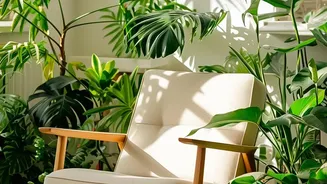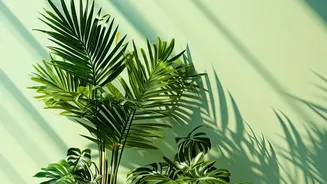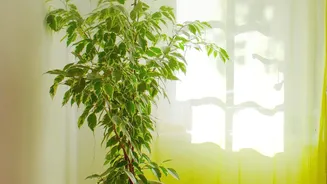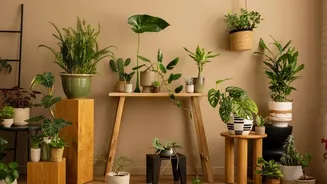

Why Light is the Most Critical Choice
Before you fall in love with a plant's foliage or trendy aesthetic, the first and most important question to ask is about light. Light is a plant's food. Through photosynthesis, plants convert light into the energy they need to grow, produce leaves, and stay
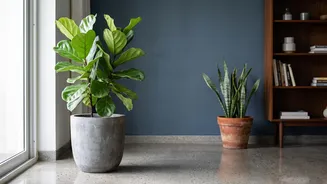
healthy. Without the right amount of light, no amount of water, fertiliser, or care can make a plant thrive. Choosing a plant that matches the light in your home is the foundation of successful plant parenting. It's the difference between a plant that merely survives and one that truly flourishes. An Instagram-famous Fiddle Leaf Fig will quickly become a disappointment in a dim corner, while a humble Snake Plant might languish in harsh, direct sun. It's all about matching the right plant to the right place.
How to Become a Home Light Detective
You don't need fancy equipment to understand your home's light. A little observation is all it takes. First, consider the direction of your windows. In India, north-facing windows generally provide the softest, most consistent indirect light, making them ideal for many houseplants. East-facing windows get gentle morning sun, while west-facing windows receive intense afternoon heat. South-facing windows offer the brightest, most direct light, suitable only for sun-loving plants like succulents. Next, try the 'shadow test'. Place your hand a foot or two from a potential plant spot. A sharp, clearly defined shadow means you have bright, direct light. A softer, slightly fuzzy shadow indicates bright, indirect light—the sweet spot for many tropicals. A faint shadow or no shadow at all means you have low light. Finally, observe the duration. How many hours a day does a spot receive this light? A location is only 'bright' if it gets that quality of light for at least four to six hours daily.
Low-Light Champions for Shady Corners
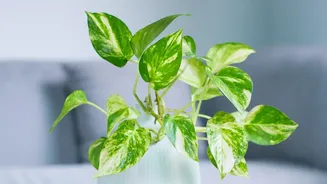
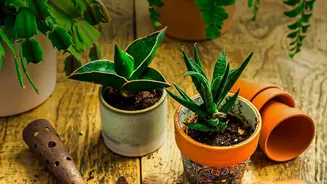
Many Indian apartments and homes have corners that don't get blasted with sunlight, but that doesn't mean they can't be green. These plants are famously tolerant of lower light conditions. Snake Plant (Sansevieria): Often called 'unkillable', this plant is perfect for beginners. It tolerates infrequent watering and a wide range of light conditions, though it does best when kept out of harsh, direct sun. Its upright, architectural leaves add a modern touch. ZZ Plant (Zamioculcas zamiifolia): With glossy, dark green leaves, the ZZ plant is another nearly indestructible option that thrives on neglect. It stores water in its underground rhizomes, so it's very forgiving if you forget to water it. It's an elegant choice for bedrooms or hallways with limited natural light. Pothos (Money Plant): A staple in many Indian households for a reason, Pothos is incredibly versatile. Its trailing vines look beautiful on shelves or in hanging baskets, and it can handle low to medium light with ease.
The Happy Medium: Bright, Indirect Light
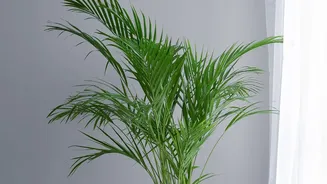
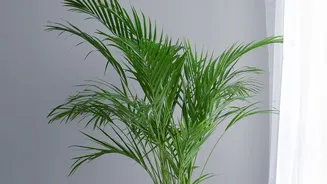
Most common indoor plants fall into this category. They want to 'see' the sky but not have the sun's rays directly hitting their leaves for extended periods. This is the light you'll find a few feet back from an east-facing window or in a bright room with north-facing windows. Peace Lily (Spathiphyllum): Known for its elegant white blooms and glossy green leaves, the Peace Lily is an excellent air purifier that thrives in medium, indirect light. It even gives you a clear sign when it's thirsty by drooping its leaves dramatically. Chinese Evergreen (Aglaonema): This plant is loved for its stunning, often variegated leaves in shades of green, silver, pink, or red. It's very forgiving and adapts well to medium or even lower light conditions, adding a splash of colour without needing direct sun. Areca Palm: For a lush, tropical feel, the Areca Palm is a fantastic choice. Its feathery fronds do best in bright, indirect light. While it can tolerate slightly lower light, it flourishes in a well-lit room away from the direct sunbeams.
Sun-Kissed Spots: For Your Brightest Windows
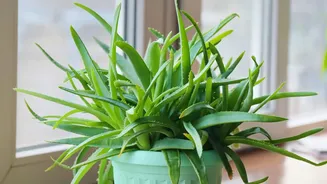
If you have a spot that gets several hours of bright, unfiltered sun, such as near a south-facing window, you have the perfect environment for plants that need high light levels to thrive. Many succulents and desert plants fit this description. Aloe Vera: This medicinal marvel loves sunlight. Place it on a sunny windowsill where it can soak up the rays. Its fleshy leaves contain a soothing gel, making it both beautiful and useful. Jade Plant: Considered a symbol of good luck, the Jade Plant is a succulent that does best with plenty of bright light. Its thick, glossy leaves store water, so it requires infrequent watering, making it well-suited for a sunny, low-maintenance spot. * Rubber Plant (Ficus elastica): While it can adapt to medium light, the Rubber Plant's growth and deep, rich leaf colour are best in a bright, indirect light location. It can make a bold statement in a living room that gets consistent, good light throughout the day.